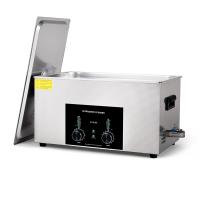
Precautions for the use of ultrasonic cleaning machines
Ultrasonic cleaners are becoming more and more popular these days!
Ultrasonic cleaners can keep everything around you clean and healthy. The following is a guide to the correct use of ultrasonic cleaners.
What is an ultrasonic cleaner?
You can effectively clean items with an ultrasonic cleaner to remove dust particles and stubborn stains. These smart cleaners use high-frequency sound waves to create powerful vibrations in the cleaning solution.
Thanks to the vibrations, this solution cleans all rough and smooth surfaces. The scrubbing action created by the ultrasonic cleaner helps the cleansing fluid reach cracks and inside pores.
How Do Ultrasonic Cleaners Work?
The powerful vibrations caused by the ultrasonic cleaner create millions of air bubbles in the cleaning fluid every second. Due to all the energy, the bubble increases in size and then bursts on the surface of the item. Collisions and bursts create pressure on the dust particles, forcing them to move.
The cavitation bubbles agitate the solution to remove any contaminants adhering to surfaces such as plastic, glass, metal, etc. The scrubbing motion of the liquid allows it to reach any rips and holes in the item.
An ultrasonic cleaner can take anywhere from five to twenty minutes, depending on the capabilities of the cleaner and the object being cleaned. You can use an ultrasonic cleaner on a variety of surfaces without disassembling the item before cleaning.
Instructions
Ultrasonic cleaners are easy to use. Just follow four easy steps and start cleaning like magic.
First, fill the container with water containing ultrasonic cleaning solution. An ultrasonic cleaner will do its job well.
Next, place the item to be cleaned into the container. Finally, set the timer (depending on your cleaning needs) before pressing start.
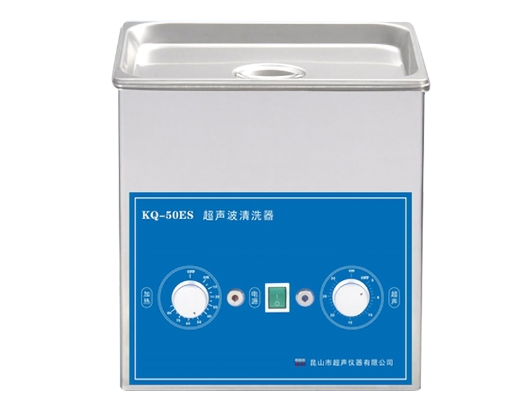
Precautions
If you plan to use your ultrasonic cleaner for a long time, here are some easy steps to take care of it. Just as you use it to clean your belongings, you also need to keep your cleaner neat.
We recommend that you follow the precautions for ultrasonic cleaners in order to clean effectively while avoiding any potential accidents.
1. Fill the container to the recommended level
Before cleaning, fill the container with water and cleaning solution. You need to fill it to the indicated level.
When an ultrasonic cleaner is turned on, overfilled containers may cause liquid to spill outside the container due to vibration. Liquid can be dangerous if spilled on any other electrical component. On the other hand, less fluid may result in less effective cleaning.
2. Use an effective ultrasonic cleaning solution for cleaning
Using an ultrasonic cleaner with cleaning fluid will help the cleaner do its job faster and better.
Water-based cleaners are better, as solvent-based cleaners are not designed for ultrasonic cleaning. You can buy separate cleaners to meet your different cleaning needs.
3. Use a non-flammable cleaning solution
The solution may become hot due to the strong vibrations caused by the detergent. So, to be on the safe side, use a non-flammable solution. If the solution is overheated when paired with a flammable liquid, it can cause a lot of damage and even start a fire.
Use a safe water-based solution for cleaning. You can also make your own solution using a combination of water and detergent.
4. Choose a good cleaning temperature
Choosing the ideal temperature for each item will ensure precise cleaning. Although high temperatures speed up the breakdown of dirt, they also cause faster evaporation and damage soft materials.
Before setting the temperature, make sure to follow the system specifications. Also, keep in mind that the hotter the liquid, the shorter the cleaning time.
5. Please unplug the wall power supply after use
After adding the detergent and contents of the container, plug the wall outlet into the power source. Then, when you're done cleaning, unplug it to avoid overheating or electrical hazards.
6. Do not place any inappropriate items for ultrasonic cleaning
Although ultrasonic cleaners are made to clean almost all small to medium sized items, there are some exceptions. Ultrasonic cleaners can damage some fragile jewelry or certain gemstones.
Also, some electronic devices may not be suitable for ultrasonic cleaning, such as microphones. Placing unsuitable electronics in a solution can permanently damage them. It can also be dangerous to your surroundings.
7. Do not try to repair it yourself
Ultrasonic cleaners aren't too hard to figure out. However, we recommend that you never repair the system yourself.
Ultrasonic cleaners generally work at high voltages. If you have no previous experience servicing this type of system, you could end up with damage to the cleaner and yourself.
8. Do not touch the cleaning solution without feeling safe
Do not put your hands in the solution after the ultrasonic cleaner is running. The cleaner vibrates to heat the liquid, and touching the liquid with your hands could hurt your skin.
9. Do not use unrecommended liquids for cleaning
Do not use unrecommended or flammable liquids for ultrasonic cleaning. Never use liquids such as gasoline or alcohol as they can evaporate and cause a fire.
10. Don’t put too many items at once
Don't overcrowd the container by putting too many items at once. Doing so can damage your items as their surfaces rub against each other, causing scratches.
Likewise, trying to clean items with a glossy finish is not recommended. This process can damage the coating, making it appear faded. While it takes more time to clean your belongings, safety is a little more important!
- 1Ultrasonic Cleaner Structure, Principle, Classification, Application, Selection FAQ
- 2How does Ultrasonic Cleaner clean Mayer Rods?
- 3How to use the ultrasonic cleaner correctly
- 4How to clean the wire rod applicator? Tips for proper cleaning of the film rod