What to do if the pH meter does not measure pH correctly?
pH meter not giving a steady reading - is it drifting or is the reading erratic?
Contaminated Sensing Glass - Clogged sensing glass at the bottom of the electrode reduces the ability of the electrode to conduct properly, thus causing sporadic variations in readings. Always make sure to clean the electrodes properly on a regular basis and make sure to remove all contamination from the glass. We offer a number of electrode cleaning solutions for this purpose.
Junction clogging - Be especially vigilant when cleaning after using semi-solid samples, which tend to leave deposits on the electrodes. Another aspect to consider is that when working with samples with highly consistent proteins, make sure to use an enzyme-based wash to digest the protein. If clogging is a frequent problem, you may want to consider a pH electrode with an open junction design when measuring semi-solid or viscous samples.
Low Conductivity Samples - For these samples, use an electrode with a high junction flow rate, or add high purity Potassium Chloride (KCl) to increase conductivity.
Improper electrode hydration - To prevent this electrode from being properly stored in a storage solution designed for this purpose, ensure it is cleaned prior to storage.
Electrical Noise Interference - This can interfere with motors including pH meters. If possible, try to read a sample far away from the noise.
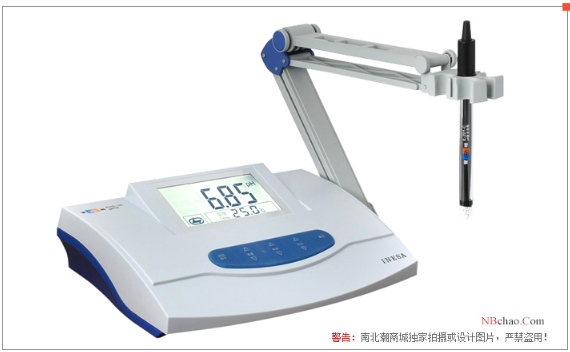

Incorrect pH readings - constantly changing or just showing the same reading. What causes it?
Wiping the Electrodes - Wiping or rubbing the electrodes can cause a number of problems including – static buildup on the electrodes, removal of the hydration layer on the electrode bulb, and scratching the electrode surface. It is best not to wipe the electrodes if desired, however, if you need to remove liquid from the electrode bulb, make sure not to wipe with a lint-free tissue.
Incorrect calibration - A key factor when recording calibration points is to ensure that the pH electrode is rinsed with distilled water between calibration buffers to prevent cross-contamination. If you find errors or problems with your buffers, make sure to use fresh buffers for each calibration. pH calibration buffers change over time so will need to be replaced, check the instructions and replace accordingly.
Temperature-Related Issues - When reading a sample, make sure the calibration and sample reading are at the same temperature. Alternatively, use a pH meter with automatic temperature compensation. Always check the temperature chart on the calibration buffer and set the pH to the appropriate pH for that temperature.
Broken electrodes - when the reading is the same no matter which solution is used. Please check the type of pH electrode you need before ordering.




- 1Principle and Application of Standard pH Meter
- 2Method for determining amino acid pH value
- 3Basic principle and application analysis of anti-fluorine pH meter
- 4Proper use and maintenance of pH meters
- 5Understanding and Addressing Common Challenges in the Use of pH Meters
- 6How to use pH meter
- 7Differences between three STIP-scans: pH Meter, Conductivity Meter, and Dissolved Oxygen Meter
- 8PH meter conversion of mv and ph value
- 9Common types and application differences of STIP-scan