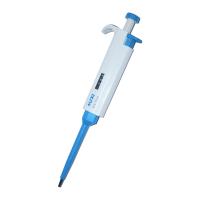
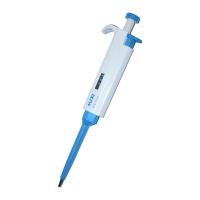
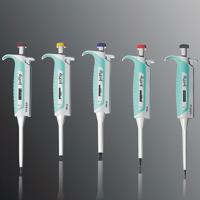
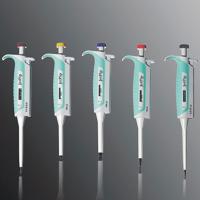
How should I store the correct micropipette?
Many tasks in the laboratory rely on accurate liquid volume measurement using micropipettes. To maintain pipette accuracy, pipettes should be stored properly, we looked at how pipettes should be stored and why.
How to Store Micropipettes in the Lab
Always store pipettes when not in use.
upright
set to maximum volume setting
keep away from heat and humidity
With the pipette tip removed
An easy way to ensure that your pipettes are stored correctly is to use a pipette stand.
This means they are always correctly positioned in an upright position, but also serve as a base point so all pipettes are in one place – great for finding them quickly and keeping an eye on them when recalibration or repairs are required.
The pipette holders come in many different sizes (holds 3, 6 or even 7 pipettes) and different colors so you can organize all the pipettes in your lab.
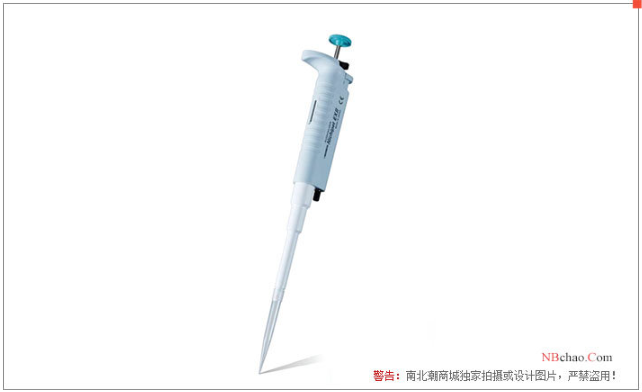
Why are pipettes stored upright at maximum volume without tips?
Store pipettes vertically;
Avoid any fluid still present from running into internal components (this could lead to corrosion)
Avoid the accumulation of piston lubricant inside the pipette on only one side.
The pipette tip should always be removed after use;
Prevents accidental use of the same tip again to avoid cross-contamination (pipette tips are always one use for this reason only)
Eliminates the risk of liquid being trapped in the tip, which could evaporate into the internal parts of the pipette
It is also advisable to set a variable volume pipette to its maximum volume prior to storage because in this position the internal spring is at its minimum pressure position.


- 1Pipette Tips - Technique and Pipette Maintenance
- 2Four ways to use an electronic pipette
- 3How to store micropipettes properly?
- 4Structure, principle, usage and calibration maintenance of micropipette
- 5How to use a micropipette for liquid handling?
- 6Pipette uses common sense - Dlab
- 7Pipette uses little common sense