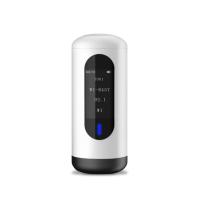
Does the Whiteness Meter have detection significance on white rice?
由于一半以上的人口依靠稻米作为饮食主食,全世界五分之一的人口(超过十亿人口)赖以为生的稻米种植,因此稻米作物的质量和成功对全球都重要性无庸赘述。食物供应和全球经济。
此外,大米的颜色在农民和磨坊主的价值中可以发挥很大的作用。不同的文化重视不同的大米,而白米具有不可思议的价值。这意味着稻米的颜色对于投入市场的农作物的价值极为重要。
重要的是要了解白米饭是全球市场上非常受欢迎的产品。经过碾磨的白米不仅更耐贮存,而且许多文化都喜欢白米的味道和质地。白米大约需要花费一半的时间来烹饪,产生柔和的味道和柔软的质地。尽管某些文化偏爱糙米的坚果味,颗粒感,但更多的文化却选择白米的微妙风味和质地,因为它与各种菜肴中的较重口味非常搭配。此外,白米含有更多的淀粉,从而产生粘性。白米饭的味道,质地和粘性受到许多文化(即亚洲文化)的重视,包括中国。作为一个国家,中国的大米消费量比任何其他国家都要多,一年仅消费1.43亿公吨,其中绝大多数是白米。
由于许多人都非常希望白米饭,因此它也为农民和大米厂生产精制白米饭提供了经济诱因。您如何准确确定大米的颜色及其市场价值?通过在白度仪的研磨过程中测试样品。

大米的质量和价值分析
高质量大米很重要,原因有两个。大米是全球主要食物来源;许多人每天的大部分营养都依赖大米,而更好的大米是更丰富,更可持续的食物来源。
此外,由于水稻对全球经济重要性无庸赘述,因此农作物的价值越高,种植稻米并依靠农作物获得收入的小农越成功。准备出售时,将通过以下方式分析稻米作物的大部分白米品质:
湿气
晶粒尺寸
1,000粒重
研磨度
铣削回收
码头费
头米和碎谷物
垩白
颗粒形状
而且非常重要的是:
白度
通常在水稻作物中测量白度,以确定碾磨度,碾碎度是在碾磨过程中碾磨和去除的糙米的百分比。尽管世界上某些地区更喜欢未碾过或碾碎的米,但世界上许多地方都将颜色和颜色的一致性(白度)视为衡量质量和纯度的指标。
This affects how the rice is marketed, as undermilled rice won't cook like milled rice. Underpolished rice is underpolished and has streaks of rice bran remaining. These bran streaks reduce the shelf life of the rice, which is not good for the people who depend on it for food, nor for those who depend on it for income.
For many people and cultures, bulgur rice also doesn't look as good as "white rice". This is why many in the industry attribute the whiteness of rice to its better appearance and longer shelf life.

The relationship between rice and its whiteness is complex. Modern milling processes polish the grains of rice and remove the bran, which also removes much of the nutritional value in rice, such as fiber, protein, minerals (such as selenium and manganese), and fatty acids. After polishing, all the nutrients can be removed from the rice, which also makes the rice easier to store. It can be stored for months at a time, making it economically desirable to farmers and factories.
After the rice is harvested, the natural color of the rice is also affected, which is important to buyers and consumers. If wet rice is left for several days before drying, the entire grain of rice will become discolored. Wet grains will heat up and the grains will turn yellow or tan instead of the desired white.
The instant Whiteness Meter is a very important indicator of the value of rice grains. This instrument has been recognized as the global standard for whiteness measurement. You can use a Whiteness Meter to ensure the best value and fairest sale of your rice while trusting that the results are accurate.
ensure profit
The whiteness of a particular rice has a major impact on the grade of the rice. The USDA has established a rice grading system, which helps buyers and farmers determine the quality of rice before it is sold.
As a farmer, you can use the rice Whiteness Meter to find out when it is a good time to harvest rice before it is dried and milled. This ensures a good harvest and ensures a high selling price. As a buyer, a Whiteness Meter can help you determine the true value of your rice, so you can pay a fair price for the quality of your crop.
The USDA also establishes a "price discount" per bushel based on the grade of rice. As a farmer, you can use the Intensity Meter to grow and produce the highest quality, very profitable crops, and as a buyer, the Intensity Meter will help you arrange better prices.
Sell rice noodles? There is also a tool. The powder whiteness Tester can measure the whiteness in rice flour, wheat flour, starch, salt, sugar, calcium carbonate and even some medicines. This can help you buy your rice or wheat flour at the fairest price and ensure the highest profit.
Whether you're buying or selling rice, flour, or sugar, you can rely on a Whiteness Meter to accurately determine its value.


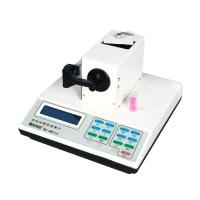

- 1What are whiteness and yellowness?
- 2What is the whiteness index?
- 3How can the paper industry achieve greater whiteness?
- 4Opacity and Transparency Test Methods
- 5The working principle and operation method of Whiteness Meter
- 6What are the common physical properties of paper?
- 7The difference between paper whiteness, brightness and shadow
- 8Paper Brightness, Whiteness and Shadow: Definitions and Differences
- 9Instrument and method for measuring whiteness of paper