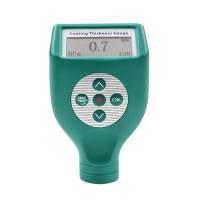
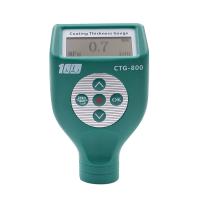
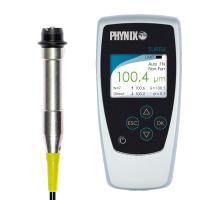
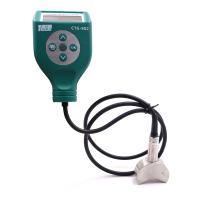
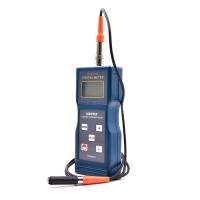
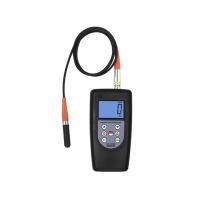
Handheld coating Thickness Gauge several important application fields
Whether it is making packaging paper or coated paper, or performing electroplating, it is necessary to ensure the quality of the product and correctly apply the coating. Even when inspecting the pipes, you want to make sure the pipes are properly coated before disaster strikes. In every case, a handheld coating Thickness Gauge ensures the quality of the product you produce with the lowest possible level of error.
Not sure if you need a coating Thickness Gauge? Here are a few ways a handheld coating Thickness Gauge can improve product quality and simplify your life.
Paint, packaging and plating thickness affect quality
One of the biggest reasons to consider a handheld coating Thickness Gauge? The thickness of the product (whether it is car paint, electroplating or paper) will directly affect the quality. For automotive paint, for example, a handheld coating Thickness Gauge can check for even paint coatings, even on curved and unique surfaces.
Checking the consistency of the paint on your vehicle will not only give a better finished product, but it will also give you an idea of the consistency of the paint when it is wet, the wrong paint consistency can affect the paint drying time or eventually peel the film. Too few coats of paint, decorative issues of opacity, and protective issues like corrosion and exposure are left to you. It can tell if the bodywork on a used car has been done, helping the customer or dealer make the right decision on price.

When specificity and adhesion are important in anodizing and electroplating, coating Thickness Gauges are able to read the thickness of the coating down to the shortest possible time. This gauge can read measurements down to 0.1um. This can play an important role in preventing corrosion while optimizing the process by not using too much expensive plating product. With the Ferrous Substrate Coating Thickness Gauge, you can choose to use it on a model with an integrated thermal printer in case you need to print hard copy documents.
Certain packaging coatings also need to be reliably consistent. The correct thickness is important for labeling the product as well as the style and weight of the package, not to mention the quality of the product. Therefore, the proper use of thickness gages can be critical to the overall success of your product line.
Pipeline Disaster Prevention
Another way a coating Thickness Gauge can make a huge difference? It can scan pipelines to find weak points and areas of corrosion. Knowing these failure points can prevent major disasters before they happen, whether it's the water pipes in your home or office, or even the pipes and oil lines inside your engine.
Non-destructive pressure gauges are a satisfying way to ensure that pipes don't corrode or wear out over time, so they don't give you nasty surprises - like big leaks.

Coated Paper Quality Control
Coated papers Like glossy, catalog or magazine papers, enamelled papers require a coating to be added to the paper's base stock to achieve the correct amount of strength, basis weight, coating opacity and paper grade for printing. Incorrect paint grades can affect print quality and customer satisfaction. Therefore, a coating Thickness Gauge is required to ensure proper coating thickness. If you cannot currently budget for one of our in-line gauges, a portable coating Thickness Gauge is a great way to optimize quality when using silicone release liners.
Since it is highly portable and has no moving parts, the handheld Thickness Gauge can be used quickly. Just in the production workshop. With the speed and accuracy and ease of use of a coating Thickness Gauge, you can rest assured knowing that you have results you can trust and that the data collected has little time to interfere with the manufacturing process.
Handheld coating Thickness Gauges are not only easy to use, but require little maintenance and calibration. It is easy to implement and non-destructive and can only bring high-quality results to your products.

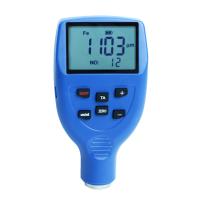

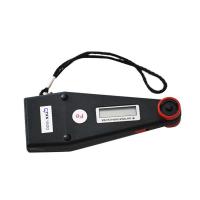
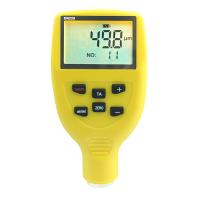


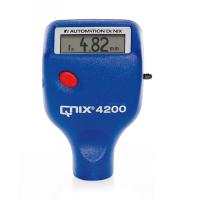
- 1Nondestructive measurement Coating thickness
- 2Principle, application and selection of traffic coatings Coating Thickness Gauge
- 3Principle, Application and Selection of Eddy current Coating Thickness Gauge
- 4Principle, Application and Type Selection of Electronic Coating Thickness Gauge
- 5Explore the principle, application and selection of phosphating layer Coating Thickness Gauge
- 6Principle, Application and Type Selection Analysis of Chrome Coating Thickness Gauge
- 7Principle, Application and Selection of Coating Thickness Gauge for inner wall of small pipe
- 8Basic principle and application scenario of steel Coating Thickness Gauge
- 9Principle and Application Analysis of Coating Thickness Gauge