Viscosity, consistency and surface tension - what are these?
Almost every day there are questions about the difference between viscosity, consistency and surface tension. The question is usually the second part.
"How do we correlate measurements between these different properties?"
The simple answer is that they are different, they are measured differently, and the measurements cannot be correlated.
A common element is that each is a property of a liquid material. Attempts to convert measurements between these properties have resulted in overwhelming failures or convoluted approximation algorithms.
However, each of these metrics can have a significant impact on formulation development, production methods, and final quality for many types of products. The importance of these properties of liquids in industries such as healthcare, food production, coatings and pharmaceuticals cannot be overemphasized.
I will try to make every angle of these liquid properties visible and give examples of how these measurements can be used in everyday products.
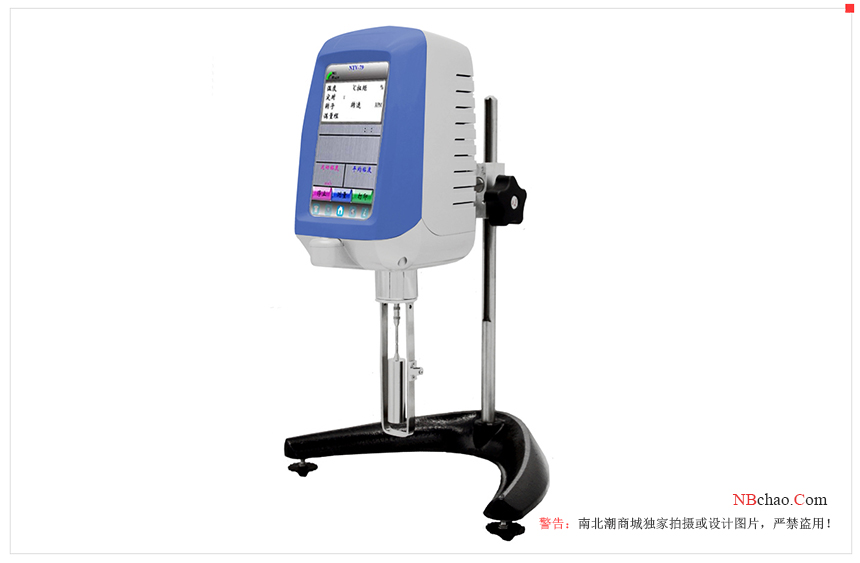
definition
In simple definitions, viscosity is a measure of a liquid's resistance to flow. This simple definition is complicated by the reality of actual liquids.
Some respond in a reasonable way and have equal resistance over a wide range of speeds.
Some increase drag with speed, while others decrease with speed
Some change resistance over time.
This presents some interesting measurement challenges. A common feature about individuality is that all viscosity values vary with temperature. Consistency is a property related to hardness or thickness.
This term is used for many materials that flow only under the influence of gravity.
The principle of these measurements is to observe the flow range or distance over a specified period of time.
The measured terms are usually a derivation of time and distance and cannot be converted to standard rheological terms.
Like viscosity, consistency changes with temperature.
Surface tension is the easiest concept to define. It is the attraction between molecules on the surface of a liquid. This attraction keeps liquids from flying into the air and prevents surface penetration.
When the surface tension is lowered, it is easier for liquids to mix with other materials. Detergents, for example, lower the surface tension of water, which allows water to penetrate the fibers of clothing and rinse away dirt.
Watch spiders walk on water and observe the effects of surface tension. Spider feet will not penetrate surfaces.
Surface tension is an essential feature that constitutes a contact angle analysis. This is the interaction of a liquid with a solid surface or substrate.
This is another phenomenon in which liquids are affected by temperature.
Each of these measurements, viscosity, consistency, and surface tension, has two points. Each is a property of a liquid, and each is affected by temperature.
Here are some examples of the use of these metrics in the development and production of common products.
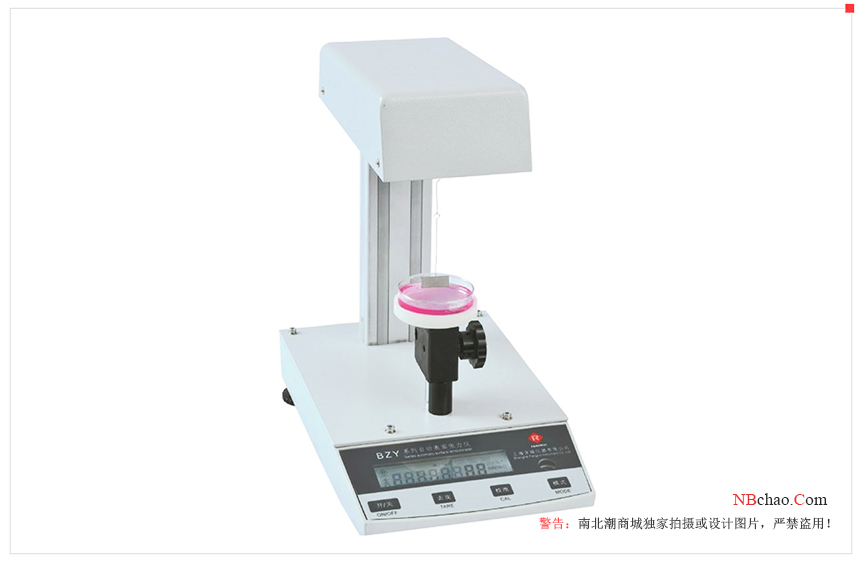
Industry application
在涂料工业中,可以通过这些液体性质定义几种产品特性。
表面张力的影响直接与粘附特性有关。粘附力在油墨和油漆的开发中很重要,因为需要将它们设计为粘附在不同的表面上。
表面张力和相关的接触角分析是涂料和油墨与固体表面或基材缔合的关键。
粘度水平在开发涂料的应用方法和系统中重要性无庸赘述,因为该属性影响流动特性。
石油产品的规格通常是According to粘度来定义的。
一个例子是机油名称,例如10W / 30 – 粘度参考。
粘度测量和比较用于监测润滑油的劣化。
表面张力测试用于检测产品中的杂质,例如变压器油。
对于这些液体属性,食品生产有很多应用。
表面张力是决定应用中混合特性的重要因素,例如为调味品_色拉调味料选择不同的液体成分。
粘度测量的价值在于开发诸如番茄酱配方之类的产品,以获得厚度和流动性的很好的组合。
许多番茄制品,调味料和调味品(例如芥末)的过程质量控制标准是一种称为Bostwick Consistometer的稠度测量装置。
在制药界,表面张力是药物输送系统功效或设计的重要因素。例如:
建立粘合剂(例如聚合物或淀粉)与胶囊中药物颗粒之间有效的关系
开发复杂的液体机械结构,这些结构定义了新的脂质体聚焦药物递送系统的释放条件
特殊的运送要求,例如滴眼剂。
这些开发活动转化为材料和生产控制应用,其中粘度测量通常是质量标准。
防水是产品开发高度依赖表面张力的一个例子。
帐篷用于帐篷织物防水的产品基于织物编织空间的大小与雨滴的附着力或表面张力之间的关系。
就像那些习惯露营的人所知道的那样,这些布艺帐篷将拉下雨水。
但是,如果将手指按在液滴上,则会将其推过织物中的小空隙。
Blood viscosity may be a single parameter associated with cardiovascular disease risk factors such as:
High blood pressure, high LDL, type II diabetes and obesity
High blood viscosity is the primary mechanism by which these factors transmit pre-inflammatory damage to the arterial wall.
Blood viscosity is typically measured using an automated scanning viscometer based on capillary technology.
Summarize
These examples only touch the surface where viscosity, consistency and surface tension measurements are important. Each of these properties of liquids is of self-evident importance to the development, processing and transportation of a wide variety of products. The interrelationships between them, while not transferable, are often of insignificant importance in formulating an acceptable and manufacturable product.
Due to the interrelated nature of these elements, it seems logical that measurements should be converted from one to the other. However, there is no general correlation between viscosity, consistency and surface tension measurements.
Since we provide tools for all three parameters, I thought it would be worth digging into the huge puzzle and trying:
Learn about all these liquid properties
explain the relationship between them
Describe some of the applications that require them for product development, production management, and quality control
Dealing with issues, is there a correlation?
Hoping to bring an understandable translation to a complicated matter





- 1Viscosity of polypropylene (PP) amide measured by NDJ Viscometer
- 2Working principle of mechanical liquid meter interfacial tensIon Meter
- 3Which Viscometer to Choose for Licorice Extract Viscosity Testing? How to Test?
- 4Application of Rotational Viscometer in juice viscosity test
- 5Working Principle, Classification and Application of Capillary Viscometer
- 6Principle, Characteristics and Application of Dial Viscometer
- 7Basic Principle and Application of Ceramic Viscometer
- 8Principle, Characteristics and Application of QND Viscometer
- 9Determination of epoxy resin viscosity by Rotational Viscometer


