Coating Quality Testing Standards and Common Instruments
The coating quality standard should include the following aspects: ① Paint pretreatment quality requirements, such as cleanliness, surface roughness, chemical conversion coating requirements, etc.; ② Coating quality requirements, including appearance quality, gloss, color, thickness , adhesion, hardness, etc., ③requirements for the selection of coatings, such as coating types and matching properties, construction properties and construction conditions (such as coating methods, coating temperature, humidity, coating intervals and drying conditions), ④inspection methods and testing Rules, testing rules refer to the random inspection or full inspection of a certain performance, the inspection scope and inspection frequency, the regulations on whether a certain performance is judged qualified or unqualified, etc.
The relevant standards for reference are as follows: GB 8923-88 "Steel Surface Corrosion Grade and Rust Removal Grade before Painting" ; 86 " Technical Conditions for Phosphating Treatment of Iron and Steel Workpieces Before Painting "; GB11376-89 "Phosphate Conversion Coating of Metals"; GB11380-89 "Technical Conditions for Coatings of Passenger Car Body"; GB/T 13492-92 "Finish paints for automobiles of various colors"; GB/T 13492-92 "Primers for automobiles"; JB/T 5946-91 "General technical conditions for coating of construction machinery"; GB 6745-86 "Hull GB 6745-86 "General Technical Conditions for Marine Antirust Paint"; ZB J50011-89 "Technical Conditions for Machine Tool Painting"; ZB J50011-89 "Technical Conditions for Export Machine Tool Painting"; HG/T 2243- 91 "Machine Machine Topcoat"; G/T 2244-91 "Machine Primer"; GB/T 1218-91 "Technical Conditions for Bicycle Painting"; HG/T 2005-91 "Enamel Paint for Refrigerators "; HG/T 2006 —91 "Powder Coatings for Refrigerators".
Corresponding inspection and acceptance should be carried out before the paint is purchased and put into the warehouse, so as to avoid possible quality accidents during the painting process, and product sampling should be carried out in accordance with GB 3186-88.
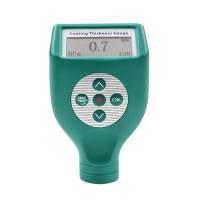
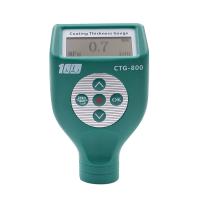
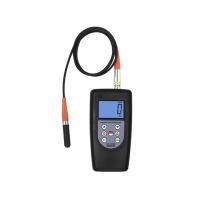
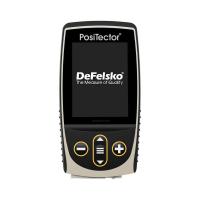
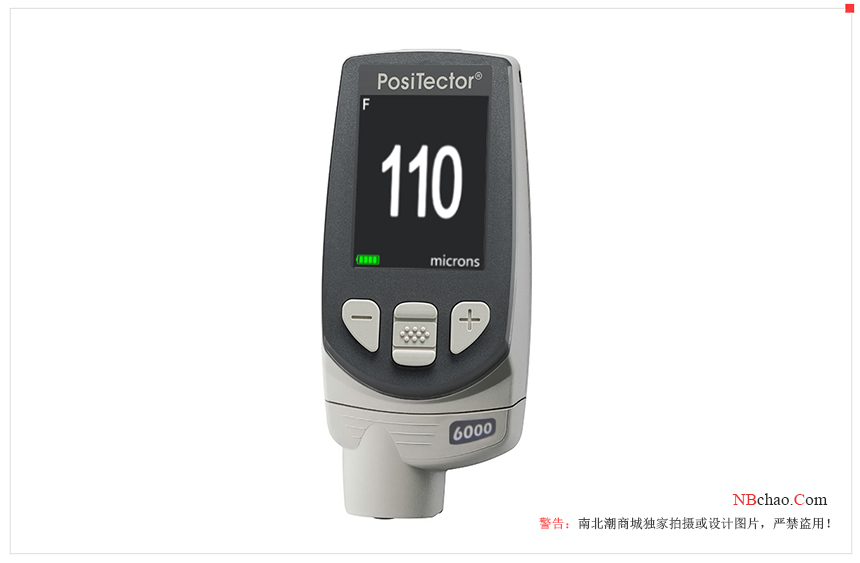
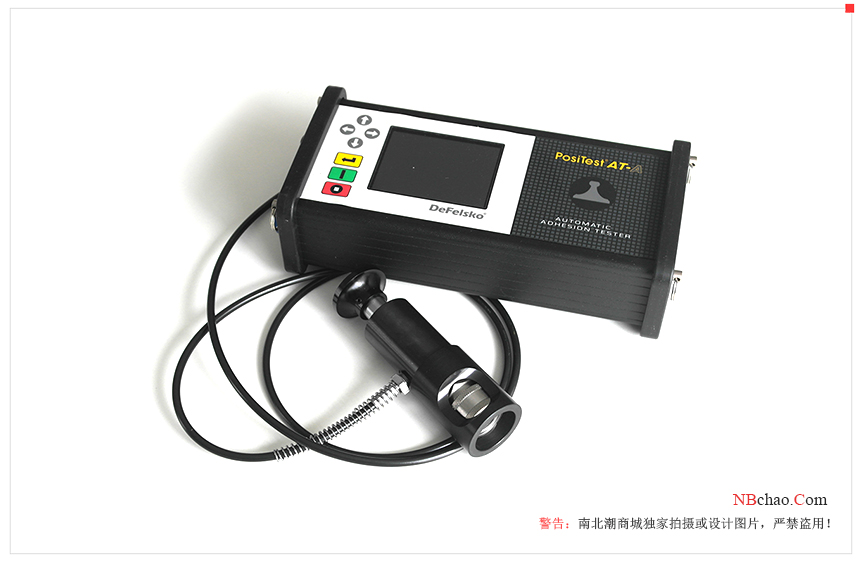
The testing instruments commonly used in enterprises are: ① thermometer, air thermometer and surface thermometer; ② hygrometer; ③ surface profile meter or comparator, ④ coating viscosity meter; ⑤ Thickness Gauge, wet film thickness meter and dry film thickness meter; ⑥Flash lamp and small magnifying glass; ⑦coating gloss and color testing equipment; ⑧adhesion Tester.


- 1Application, Principle Introduction and Precautions for Selection of Pipeline Thickness Gauges
- 2Principle, Characteristics and Application of FISCHER Coating Thickness Gauge
- 3Application of Film Thickness Gauge in automobile paint thickness measurement
- 4Paint layer Thickness Gauge unknown selection skills
- 5Selection points that cannot be ignored for coating Thickness Gauges
- 6What should I do if there is a negative number when the customer reports the Thickness Gauge measurement?
- 7Frequently Asked Questions for Thickness Gauges in 2022
- 8Definition and Applicable Criteria for Dry Film Thickness
- 9Characteristics of Solvent-Based Acrylic Coatings