Application of Mold Test Chamber in Mold Resistance Test of Coatings
The ability of a coating to resist the destructive effects of fungi is referred to as mildew resistance. In the humid tropical area, the coating is easily attacked by mold due to the humid climate; in addition, the soil environmental protection coating is also susceptible to microbial infestation. Especially oil-based paints and paints with plasticizers are easily damaged by molds, resulting in spots, blisters and even being eaten by some molds over time, thus losing the protective effect from the surface. In order to prevent mold damage, a small amount of organic antifungal agent .
The destructive effect of mold on paint is firstly that the growth of mold on the paint film causes spots and blisters on the surface of the paint film. At organic acids produced by the mold during the metabolism process can cause the dissolution of the pigment on the paint film surface and the paint base. The hydrolysis of the paint penetrates into the bottom layer, causing the paint film to break down and lose its protective effect.
Generally, the humidity suitable for mold growth is 15-35°C, and the most suitable temperature is 25-30 ° C. When the temperature is lower than 0°C and higher than 40°C, the bacteria hardly grow. The relative humidity suitable for mold growth is more than 80%. When it exceeds 95%, the growth is the most vigorous. When it is lower than 75%, the mold does not grow, but it does not die. The most suitable climate conditions for mold growth are temperature 30 ℃ and relative humidity 95 %~100%. In addition to the necessary temperature and humidity, various molds need to supply certain carbon sources, nitrogen sources and other trace elements during the growth process. In the laboratory, we can prepare various culture media to meet the nutrients needed for mold cultivation , such as purple medium, carbon-free medium, horse tube potato medium, wheat step juice medium, etc.
The strains that need to be selected in the test vary with the climate conditions in different regions and seasons. The bacteria species used in the mold test method standards of various countries and regions are also different. According to the specific conditions and test requirements of our country, the strains that can selected include Aspergillus niger, Aspergillus flavus, Aspergillus terreus, Aspergillus pyrogus and so on.
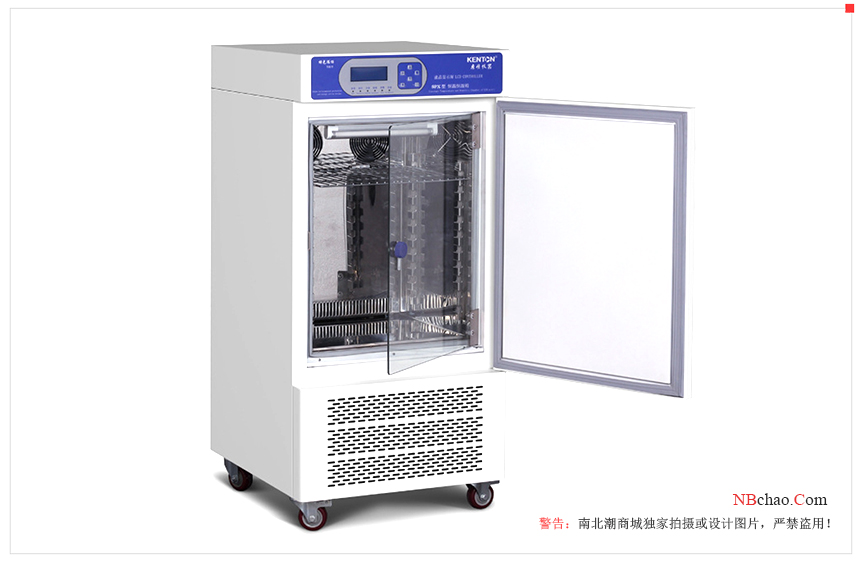
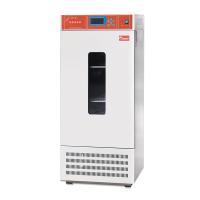
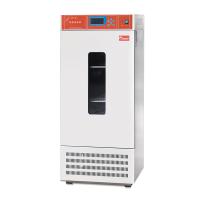
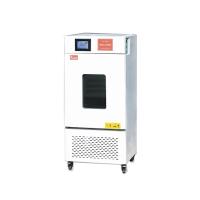
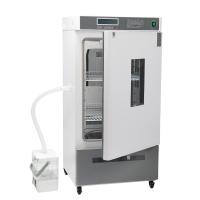
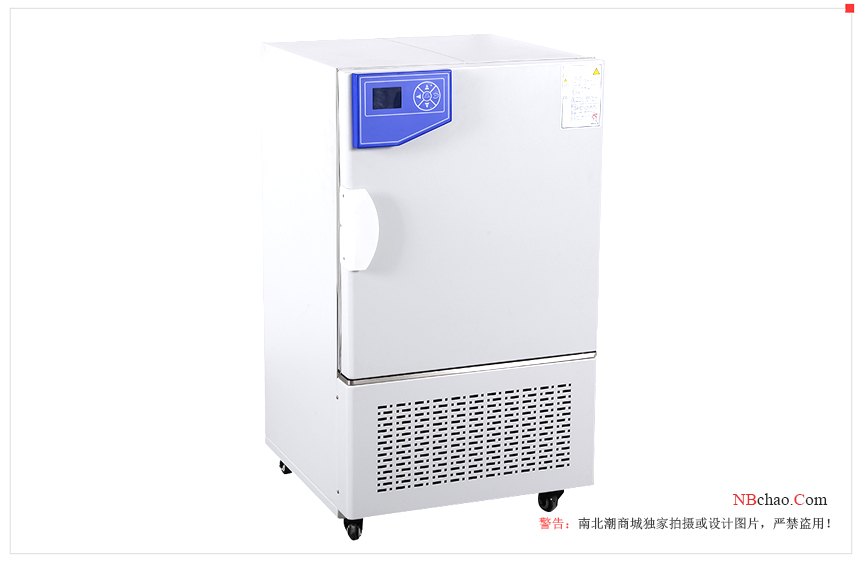
Anti-mildew test methods generally include the hanging method and the petri dish method, and the local method can be used for the paint film surface of large finished products. The suspension method requires a special mold Test Chamber, keep the temperature at 28~30°C, and the relative humidity range of 95%-100%, and a large amount of condensation is not allowed on the surface parts or complete machines. The petri dish method uses a general oven or a low-temperature oven . The sample is made into a small piece of 15mmx40mm sample, and the temperature is kept at 28-30°C. The relative humidity is maintained by the culture medium in the culture and does not need to be controlled. In comparison, the growth rate of mold by the hanging method is slow, takes a long time, and is not easy to observe; the growth rate of egg fungus by the petri dish method is fast, easy to check, and the test conditions are relatively harsh. The level of mold growth is generally 2 to 3 levels faster than that of the hanging method. .
-
![Qixin KLJ-250FD precision Mold Incubator touch screen]()
-
![Qixin KLJ-150FD precision Mold Incubator touch screen]()
-
![Qixin KLJ-80FD precision Mold Incubator touch screen]()
-
![Hengli WS-400MJ Mold Incubator 400L]() Hengli WS-400MJ Mold Incubator 400L$ 4003.00
Hengli WS-400MJ Mold Incubator 400L$ 4003.00 -
![Hengli WS-250MJ Mold Incubator 250L]() Hengli WS-250MJ Mold Incubator 250L$ 2864.00
Hengli WS-250MJ Mold Incubator 250L$ 2864.00 -
![Hengli WS-150MJ Mold Incubator 150L]() Hengli WS-150MJ Mold Incubator 150L$ 2428.00
Hengli WS-150MJ Mold Incubator 150L$ 2428.00 -
![KEELREIN KLJ-250FD precision Mold Incubator Temperature range 4 ℃~ 50 ℃]()
-
![KEELREIN KLJ-150FD precision Mold Incubator Temperature range 4 ℃~ 50 ℃]()
-
![KEELREIN KLJ-70FD precision Mold Incubator Temperature range 4 ℃~ 50 ℃]()