What is the importance of dissolved oxygen testing in water quality testing?
A key component of water is the amount of dissolved oxygen in the water, which plays an important role in everything from water quality to plant and animal livelihoods. Dissolved oxygen refers to the total amount of oxygen present in the water. A body of water gets its oxygen from two different sources, including aquatic plants and the atmosphere. Aquatic plants produce dissolved oxygen through the process of photosynthesis. Remember that tap water will always dissolve more oxygen than the still water found in a lake or pond.
Plants and animals use dissolved oxygen as a means of survival. Every aquatic animal needs to be able to breathe. Since most aquatic organisms do not take in air, they need to absorb the dissolved oxygen found in water in order to breathe properly. Dissolved oxygen can be depleted if large amounts of organic matter are decomposed by various microorganisms. During this process, microorganisms in the water will consume dissolved oxygen, resulting in low oxygen levels. At this time, if the oxygen consumption is too much, the organisms in the water may leave the current habitat or die.
Determining the exact amount of dissolved oxygen in water is important for a variety of different reasons, so it should be noted that there are many methods that can be used to test the dissolved oxygen level in water. There are specific water sensors that allow you to test the amount of dissolved oxygen.
Dissolved oxygen is relatively easy to test and can be very beneficial in many industrial applications. For example, dissolved oxygen measurement is required in boilers to ensure corrosion is avoided. This article details the importance of dissolved oxygen.
Key Takeaways:
Dissolved oxygen is the oxygen level in water that affects industrial settings, animal life, fish farming and corrosion control.
Dissolved oxygen depends on fluctuations, barometric pressure, temperature, oxygen production and use balance.
It is important to evaluate dissolved oxygen to understand water quality and what treatment may be required.
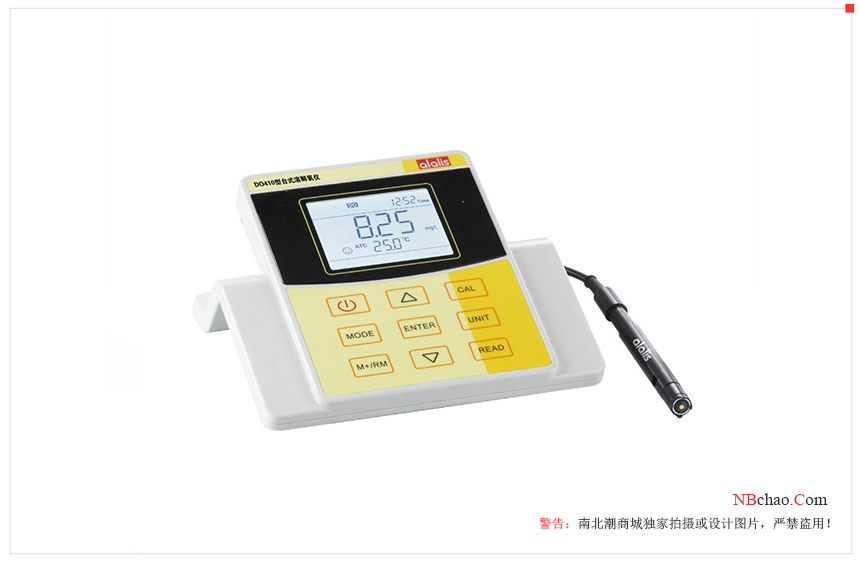
Water Quality in Dissolved Oxygen
Water moving at a faster rate will always have a lot of dissolved oxygen. This usually happens in fairly large rivers and mountain streams. On the other hand, stagnant water consists of considerably less dissolved oxygen. As mentioned earlier, the decay of organic matter causes the bacteria found in the water to consume the surrounding dissolved oxygen. Eutrophication occurs when rivers and lakes have high levels of organic matter, in which bodies of water become rich in nutrients.
While nutrient-rich water is very beneficial for the cultivation of plant life, water has too many minerals and nutrients to survive. In this case, algae will grow rapidly, causing the water to appear green on the surface. If the water is stagnant and has a lot of organic matter in it, it can be difficult for aquatic life to get the dissolved oxygen it needs. These conditions are especially prevalent during the warmer days of summer. Lower water temperatures result in higher dissolved oxygen concentrations, while warmer hot water temperatures result in lower dissolved oxygen levels.
It is also important to understand that the hot water temperatures in lakes and similar bodies of water are highly dangerous to aquatic animals when the water is stagnant. If the water stagnates, dissolved oxygen will remain near the water's surface. However, during the warm summer months, the water surface is often too hot for most aquatic animals to survive. When you get to the bottom of a lake or river, the dissolved oxygen levels are also too low.
How does dissolved oxygen affect water supplies?
When looking specifically at drinking water supplies within a community, dissolved oxygen levels determine the overall taste of the drinking water in question. When dissolved oxygen levels are high, the drinking water you drink will have a taste that you may prefer. However, it is important to understand that dissolved oxygen levels can actually damage various components and systems used in drinking water distribution and treatment. For example, high levels of dissolved oxygen can accelerate the corrosion of water pipes.
Since high levels of dissolved oxygen can cause damage, most industries will use water that contains only small amounts of dissolved oxygen. For low-pressure boilers, the PPM of dissolved oxygen in the water is 2.0 or less. For operators of boiler plants, the appropriate dissolved oxygen level is less than .007 PPM. The exact concentration of dissolved oxygen depends on four things including:
Wave action – water bodies will always have higher amounts of dissolved oxygen on windy days when stagnant water levels are not allowed
Atmospheric pressure – When the air pressure around a body of water is high, more and more dissolved oxygen enters the water, these conditions are more favorable compared to low air pressure conditions
Temperature – As mentioned earlier, cold water contains more dissolved oxygen than warm water
Balance of Oxygen Production and Use – Aquatic plants in the water body will produce dissolved oxygen through the process of photosynthesis, after which fish and other aquatic animals will consume dissolved oxygen
The amount of dissolved oxygen found in water is important for several reasons. For example, any dissolved oxygen in water will take up some space. When the level of dissolved oxygen is high, there is not much room in the water for other dissolved substances. If the dissolved oxygen level is too low, the minerals lying on the lake bed will start to dissolve in the water at a faster rate. Even though water with high levels of minerals does not cause health problems, it can change the smell and taste of the water.
In a water treatment facility, if the concentration of dissolved oxygen is low, there are a number of different treatments that can be used to correct odor and taste compounds that may be present in the water. After adding activated charcoal to water, all odor, taste and color issues will disappear. Sodium hydroxide can be added to the water if the pH is too low. The amount of aluminum sulfate in the water can also be adjusted. This is a coagulant that binds suspended particles to each other during extensive water treatment.
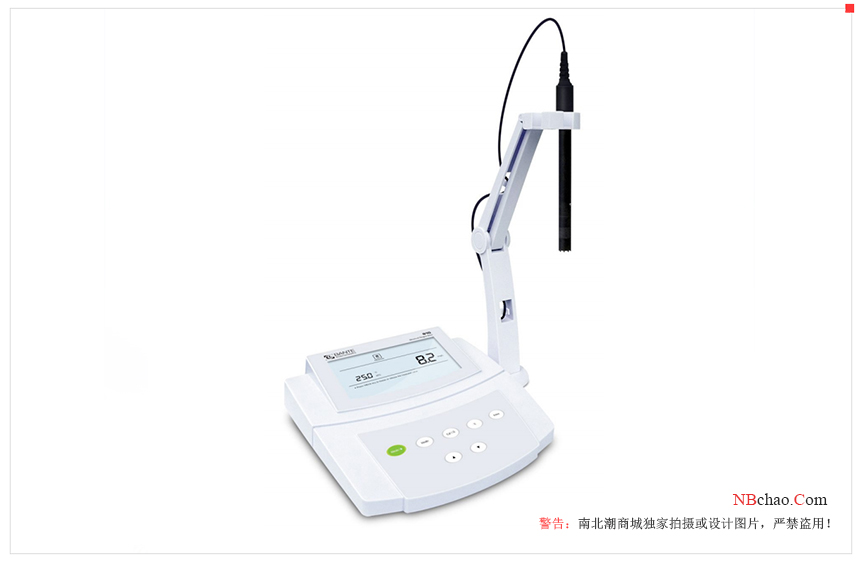
Why is evaluating dissolved oxygen important?
There are a number of reasons why it is important to assess the amount of dissolved oxygen in water. Every animal that lives in a body of water needs a certain amount of oxygen to survive. When oxygen levels are too low, hypoxia occurs, leading to the development of various types of algae. Hypoxia occurs when there is no oxygen in the water. At this point, the oxidation of the organic matter will be faster than the introduction of dissolved oxygen into the water.
Both situations create disturbing conditions for animal life in the water. A lack of oxygen means that algae and plant-like life will grow rapidly. When these plants die, they will sink all the way to the bottom before decomposing. Animal life is likely to die because they can no longer get the oxygen they need. For animals to survive normally, the dissolved oxygen content in the water should be moderately high.
In the industrial setting of many processes, it is also very important to evaluate dissolved oxygen. For example, sewage treatment plants rely on bacteria to break down solids. When dissolved oxygen levels are low, the bacteria needed to complete this process will die, which will cause decomposition to stop until dissolved oxygen levels are restored. When the dissolved oxygen level in a sewage treatment plant is too high, a lot of energy is wasted which leads to inefficiency. For boilers in industrial environments, low dissolved oxygen levels are necessary to avoid Graduation and corrosion. As the amount of scale inside the boiler increases, the heat transfer process within the system becomes increasingly inefficient.
Measuring the concentration of dissolved oxygen is important in applications such as live fish transport, corrosion control, wastewater treatment and fish farming. This measurement can give you a good idea of the water quality and what treatment may be needed. For water treatment plants that test and treat water to ensure it is safe to drink, many measurements will be taken during the treatment process. The exact amount of dissolved oxygen in the water will determine how the water needs to be altered to smell and taste before the treatment process is complete. A dedicated dissolved oxygen sensor easily measures the oxygen level in the water. These sensors can be used in a variety of applications and are designed to provide accurate readings.





- 1Common types and application differences of STIP-scan
- 2How to choose the dissolved oxygen measurement method: optical method, current method, polarographic method?
- 3Differences between several common water quality testing equipment
- 4ANLELIS DO410 Benchtop dissolved Oxygen Meter Concise operation guide
- 5ANLELIS DO300 Portable dissolved Oxygen Meter Concise operation guide
- 6Application of ONSETHOBO U24-002-C/U24-001 dissolved oxygen Recorder in natural gas development evaluation
- 7ONSETHOBO U26-001 dissolved oxygen Recorder for monitoring dissolved oxygen in endangered mussel habitat


