What factors affect ORP measurements?
Redox potential is a measurement that shows how effectively one molecule can oxidize another. When one molecule is able to oxidize another, the second molecule will be reduced. There are two aspects to the redox potential, including oxidation and reduction. Oxidizing agents are able to bring in electrons from various other molecules, which lose electrons. As for reducing agents, they donate a certain amount of electrons to other molecules, which in turn gain electrons.
ORP can tell you the status of clean water, which is great for homeowners looking to sanitize swimming pool water, or wastewater management facilities trying to purify water. If you want to calculate the ORP level in your water, you can do it with an ORP sensor that will tell you directly how effective your disinfection and sanitation techniques are.
Whether you're producing bleach or sanitizing your home pool, it's important to measure the ORP content of your water. Without sensors, you may not be able to accurately determine whether a process was done correctly. Before you start taking ORP measurements, keep in mind that there are many variables that directly affect the measurements you receive. If you are to have complete confidence that your water is being properly sanitized and sanitized, you need to achieve a suitable ORP level.
This article will detail the variables that determine the ORP measurement.
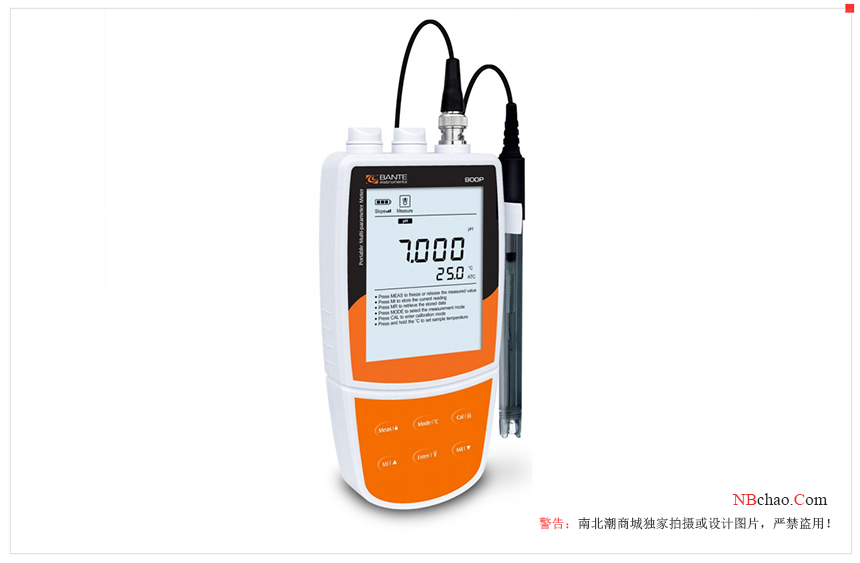
Why and why is ORP used?
As mentioned earlier, ORP is a measurement that shows how effectively a single molecule can oxidize another molecule. ORP is commonly used to determine the effectiveness of chemical sanitizers, the main component of which is chlorine. When chlorine is placed in a pool full of pollutants, the chlorine should remove the pollutants and eventually evaporate. Chlorine is considered an oxidizing agent, meaning it strips electrons from the cell walls of some bacteria. Measurements from the ORP sensor can help you determine if chlorine or similar sanitizers are working as expected.
No matter which solution you use, ORP measures the full chemical activity of the solution, which includes all reducing and oxidizing disinfectants. These disinfectants include hypochlorous acid, sodium hypochlorite, ozone, peracetic acid, and monochloramine. If the disinfectant in question works through reduction and oxidation, then the ORP sensor will be able to detect the effectiveness of the disinfectant. On the other hand, it cannot be used to automatically detect a certain chemical in water unless that chemical reacts. If you want to know the concentration of chemicals in your water, you may need to use another sensor. An ORP sensor will only tell you if the chemical is functioning as expected.
ORP sensors will generally maintain their accuracy throughout, which means the measurements you receive should be relatively precise. However, there are a few factors that can determine ORP response time that can be frustrating when you're trying to get an accurate reading. Before you start using an ORP sensor, you should be aware of four factors that can affect the ORP sensor measurement.
Variables Affecting ORP Measurements
Four different variables are known to affect ORP measurements, including pH, the presence of cyanuric acid, the concentration of phosphate, and the current water temperature. With these factors in mind, you should be able to get a more accurate ORP measurement. The difference between a high ORP measurement and a low ORP measurement is that a high measurement tells you that the water quality is also high.
If you're putting chlorine in your swimming pool to sanitize the water, the ORP sensor will tell you how effective the chlorine is. A high ORP level indicates that the chlorine is properly sanitizing the water and removing impurities. If the measured value remains low even with chlorine gas, the sensor may be malfunctioning, or one of the following variables may be affecting the measurement.
1. pH value
The pH of water can tell you whether the water is acidic or alkaline. Clean water will usually have an alkaline reading, which means the pH will be on the high end of scale. Water will always become more acidic when the pH is lowered, which means there will be a lot of hypochlorous acid present in the water compared to hypochlorite ions. A low pH often results in a high ORP reading due to the high content of hypochlorous acid.
Remember, hypochlorous acid is known as strong chlorine. On the other hand, hypochlorite ion is known as weak chlorine. A higher proportion of weak chlorine increases the pH, while a higher proportion of strong chlorine decreases the pH. You can get the right pH with the right technique. To increase the pH of the water, an alkaline substance needs to be added, the most common of which is baking powder. If you want to lower the pH of your water, you will need to add an acidic substance like lemon juice to the water.
2. Cyanuric acid
Cyanuric acid is a chemical compound that is considered important for maintaining the correct chemical reaction pool. When chlorine is added to water, it will begin to break down into sodium hypochlorite ions. If these ions are left on their own, they will break down further and eventually dissolve upon exposure to the sun's ultraviolet rays. To alleviate this problem, it is important to add cyanuric acid to the water along with the chlorine. Once the hypochlorite ions are produced, cyanuric acid binds to them, rendering them insoluble.
If the water didn't have cyanuric acid, you would need to add eight times as much chlorine to the water for the same level of disinfection. Since the ORP sensor determines how effective the chlorine is, the presence of cyanuric acid in the pool water can play a large role in the measurement it provides to you. High levels of cyanuric acid will consistently lower ORP readings, which is why some pool owners avoid putting too much cyanuric acid in their water. Putting the right amount of chlorine and cyanuric acid in the water is very important if accurate ORP measurements are to be made.
3. Phosphate
Phosphate is derived from phosphoric acid and consists of oxygen and phosphorus. They are minerals that the body needs to maintain heart function, bone health and blood vessel quality. Most foods contain at least some amount of phosphate, mainly pasta, rice, flour, meat and bread. This natural ingredient is also found in rainwater, which means phosphates can find their way into pool water as well as other water sources.
High phosphate levels in pool water are known to promote the growth of algae, which can cause water discoloration, among a host of other problems. Although phosphate does not directly affect ORP measurements, high phosphate levels in water can indirectly cause ORP levels to decrease. If you think your ORP reading should be high, the reading may be lower than expected due to high phosphate levels.
4. Temperature
ORP measurements are designed to reflect the extent to which chemicals oxidize pollutants in water. Oxidation is known to increase with warmer water, which can cause ORP measurements to be slightly lower than they should be. Higher water temperatures require more oxidation than lower temperatures. If the water is cooler, the ORP reading provided should be relatively accurate without additional compensation for temperature. To ensure an accurate ORP measurement, consider measuring the water temperature.
High Vs. low ORP level
As mentioned earlier, a high ORP value indicates that chlorine is doing a good job of sanitizing water. While the amount of chlorine you put in your water is somewhat important, the most critical aspect of sanitizing your water is making sure the chlorine is working as intended. If you measure the ORP level of your water, and it is low, it is an indication that there is a lot of contamination in the water.
When you are sanitizing the water, the ORP reading provided should be between 650mv and 800mv. Maintaining proper ORP levels is important if you want to be confident that your sanitizer will perform well.
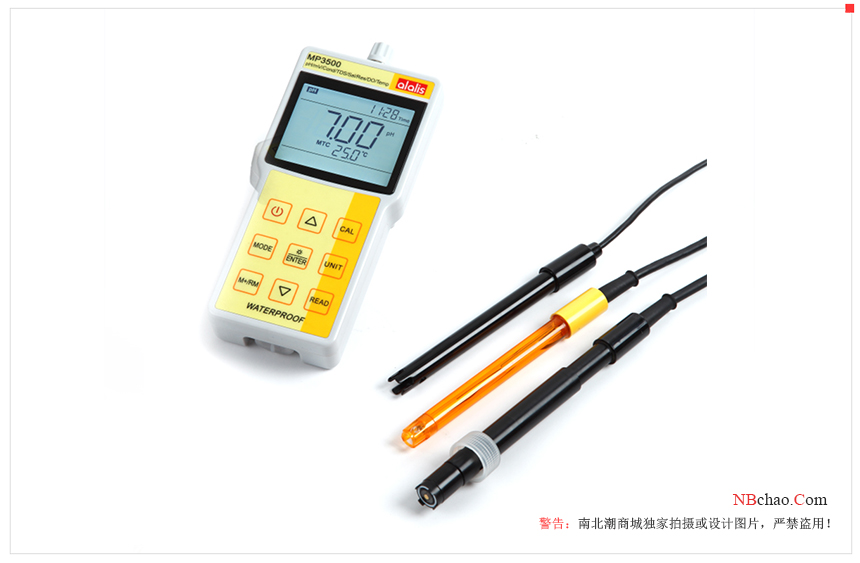
Difference Between Chlorine ORP and PPM
When testing the effectiveness of chlorine in pool water, two common measurements are ORP and PPM, the latter standing for parts per million. ORP sensors are designed to measure how effectively chlorine removes contaminants from water. Since there are many factors that can affect ORP measurements, it is important to understand that these readings are constantly changing. Even increasing exposure to sunlight can change the type of ORP readings you receive. However, ORP sensors are considered an inexpensive way to determine how much chlorine is in the water and how well it is performing.
For PPM, there are three types of PPM measurements, including:
Calculated PPM
Selective Membrane PPM
Colorimetric PPM
All three options offer free chlorine measurement. However, selective membrane PPM readings are not affected by cyanuric acid and are therefore considered accurate. While ORP sensors are designed to determine the effectiveness of chlorine in sanitizing water, PPM readings show how much chlorine is currently in the water.
Understanding this difference is important if you want to keep your water clean and free of contaminants. If the ORP reading is low, the PPM reading can tell you how much chlorine you need to add to the water.
Basic aspects of ORP include:
Determining Disinfectant Performance
May be affected by cyanuric acid, temperature, phosphate and pH
Displayed as millivolt symbol
is a moving target
The core elements of PPM include:
Can tell you how much free chlorine is in the water
Can be used in conjunction with an ORP sensor to identify how much chlorine needs to be added to the water
Can be measured in three separate ways
Now that you understand how ORP measurement works and how PPM readings are involved, it should be easy for you to determine the amount of chlorine in your water while also determining how effective the chlorine is at sanitizing the water.
-
![Yoke PB-560 Plate pH/Conductivity Detector/Dissolved Oxygen Meter]()
-
![LEICI 501 ORP composite electrode]() LEICI 501 ORP composite electrode$ 157.00
LEICI 501 ORP composite electrode$ 157.00 -
![LEICI soil dedicated ORP electrode]()
-
![LEICI ORP calibrated solution for ORP electrodes]()
-
![LEICI TR-901 Soil ORP Meter]() LEICI TR-901 Soil ORP Meter$ 1083.00
LEICI TR-901 Soil ORP Meter$ 1083.00 -
![LEICI PHBJ-260F Portable pH Meter pH/mV/Temperature 0.01 Class, Touch Screen]()
-
![LEICI PHBJ-261L Portable pH Meter Potential pH ORP Temperature 0.001 Grade]()
-
![PHS-3E laboratory acidity meter pH/mV (ORP)/temperature value]()
-
![YueFeng PHS-3D laboratory acidity meter, test pH/mV (ORP)]()





- 1Water quality testing routine 9 indicators
- 2Summary of relevant standards for water quality testing
- 3STIP-scan working principle, use method, application field
- 4Four differences between water quality test pen and STIP-scan
- 5Nine detection parameters of heavy metals water quality monitor
- 6Application of STIP-scan in fish pond water quality detection
- 7Eight Routine Test Indicators for Well Water Quality Testing
- 8STIP-scan FAQ and solutions
- 9What are the factors considered in STIP-scan selection?


