What factors affect the effect of electrophoretic coating?
1. Solid content
When the solid content is too low, the electrolysis of water is violent, the paint film is thin, there are many bubbles, and pinholes are easy to occur. When the viscosity increases, the paint film will be rough and loose, the adhesion will be poor, the coating layer will be rough, and orange peel will easily occur. The solid content of commercially available electrophoretic coatings is generally about 50%. During construction, it is necessary to use distilled water to control the solid content of the coating at 10% to 15%. Generally, the pigment-to-base ratio is about 1:2, and the pigment-to-base ratio of high-gloss electrophoretic coatings can be controlled at 1:4. Since the amount of pigment in the paint will gradually decrease in actual operation, it needs to be adjusted by adding paint with high pigment content at any time. For EC-3000 golden electrophoretic paint, 1L of concentrated solution should be added for every 15-20m2 electrophoresed parts .
2. Solvent
When the electrophoretic paint solution is just prepared, its solvent content is slightly higher. However, with the prolongation of the use time of the paint solution and the use of ultrafiltration, the solvent will continue to volatilize and leach out, and its content will gradually decrease, which will affect the quality of the paint film. In severe cases, the paint film will fall off before baking. Therefore, it should be added and adjusted in time. Generally, 1.2L of solvent should be added for every 100L of ultrafiltration permeate filtered out.
3. Conductivity
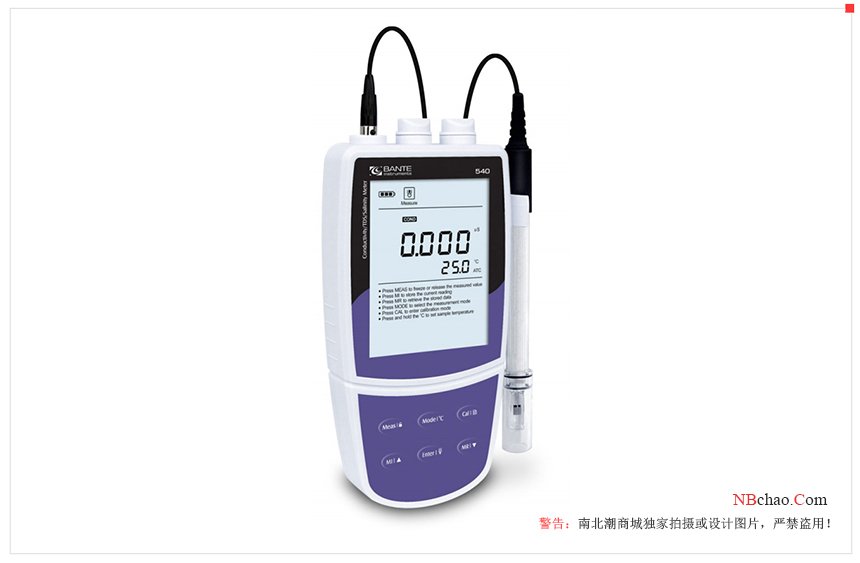
Conductivity is one of the key indicators to control the quality of electrophoretic paint film layer. The conductivity may be high when the solution is fresh, so the exudate needs to be drained by ultrafiltration to reduce the conductivity. If the conductivity is too high, the film will be thick, and orange peel and surface roughness will easily occur; if the conductivity is too low, pinholes and pitting will easily occur. Therefore, when the conductivity is different, different voltages and bath temperatures need to be used in order to obtain a good film layer. When the conductivity is high, lower voltage and temperature can be used; otherwise, the voltage and temperature should be increased accordingly. In the coating construction, the impurity ions brought into the electrophoresis tank by the coated object from the previous process will cause the resistance value of the coating to drop, which will lead to roughness and unevenness of the paint film and the disadvantages of orange peel. Therefore, the coating needs to be purified. In order to obtain high-quality coating film, cathode hood equipment can be used to remove positive ion impurities such as ammonium, calcium and magnesium.
4. pH value
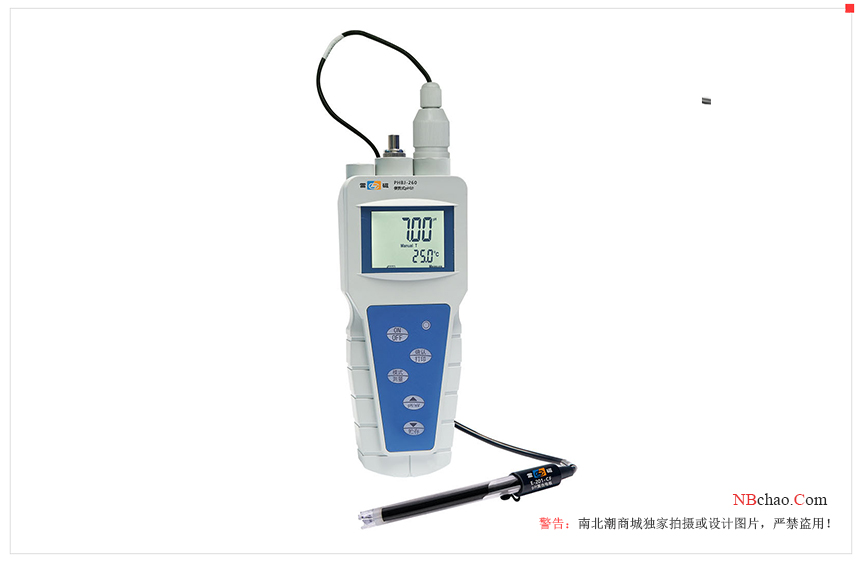
The pH value of the electrophoretic paint directly affects the stability of the bath. For anionic electrophoretic paint, when the pH value is high, such as pH=8~9 (or the pH value of cathodic paint is low, such as pH=4~5), all ionizable components are ionized, resulting in particles of colloidal structural units The size becomes the smallest, the system will be very stable, and electrodeposition will become difficult. Therefore, there is an upper limit for the pH value of the anionic electrophoretic paint system, while there is a lower limit for the cationic electrophoretic paint. Above this upper limit or below this lower limit, the amount of deposition on the electrodes will not increase. For cationic electrophoretic paint, when the pH value is too low, the newly deposited coating film will redissolve, the film layer will become thinner, and the equipment will be severely corroded, and the film will be stripped after washing after electrophoresis. For anionic electrophoretic paint, the above-mentioned problems occur when the pH value is too high; and when the pH value is too low, the surface gloss of the workpiece is inconsistent, the stability of the paint solution is not good, the dissolved resin will be precipitated, and the surface of the paint film is rough. Adhesion is reduced. Because the electrode is controlled by a diaphragm, the pH value of the electrophoretic paint solution is relatively stable. When the ultrafiltrate is discharged too much or the diaphragm liquid leaks into the electrophoretic paint solution, the pH value of the electrophoretic paint solution will change, which can be adjusted with organic acid or organic base. During the construction project, due to the continuous electrophoresis, the pH value of the system will change, and the pH value can be maintained by adding stock solution, replacing the anode cover or cathode cover with distilled water, and using ion exchange resin to remove counter ions. Better methods for maintaining pH are electrodialysis and ultrafiltration.
5. Voltage
The voltage between the electrodes increases, the effect of the electric field is strengthened, the charged particles in the paint solution swim, the deposition speed is accelerated, the penetration force is improved, and the film layer is thickened. During electrophoresis operation, the appropriate voltage should be selected according to the shape and size of the parts, the temperature of the bath solution, and the thickness of the required film. When the electrophoretic paint tank is just prepared, its solvent content and conductivity are high, so the voltage should be appropriately reduced. In general, the voltage is inversely proportional to the solid content of the paint and the paint temperature, and proportional to the distance between the two electrodes. 40-70V for steel surfaces, 60-100V for aluminum and aluminum alloy surfaces, and 70-85V for galvanized parts.
6. Temperature
The temperature of the electrophoretic paint solution is generally controlled at 15-30°C. The temperature is low, the amount of electrodeposition is small, and the film formation is slow, but the coating film is relatively dense, and a higher voltage can be used to achieve the purpose of electrophoresis; the temperature of the paint liquid is high, the film formation rate is fast, but the solvent evaporates quickly, and the appearance of the paint film is easy. Roughness can also cause paint deterioration, which is not conducive to the stability and control of electrical conductivity. During the construction process, due to the conversion of part of the electrical energy into heat energy during electrodeposition and the heat generated by mechanical friction in the circulation system, these factors will cause the temperature of the coating to rise, which needs attention.
7. Electrophoresis time
The length of electrophoresis time will affect the appearance of the paint film and the thickness of the film layer. When the electrophoresis time is too long, the film thickness and color will be dark and the transparency will be poor; if the electrophoresis time is too short, the film layer will be incomplete. Therefore, it is necessary to select the appropriate electrophoresis time under the premise of determining the temperature and voltage of the solution according to the changes in the conductivity and solid content of the paint solution to ensure the quality of the film layer. In the process of electrophoresis, the thickness of the film layer is mainly controlled by the magnitude of the voltage. If the time exceeds a certain value, the thickness will not increase significantly. This is because the electrophoretic paint is non-conductive. When the part is completely covered by the film layer, it becomes an insulator. No matter how long the time is, the thickness of the paint film will not increase. Therefore, if a thicker paint film is required, especially when plating a part with a deep recess, apply a higher voltage and a shorter time. The electrophoresis time for general workpieces is 1 to 3 minutes, and for large workpieces is 3 to 4 minutes. If the surface geometry of the object to be coated is complex, the voltage and time can be appropriately increased.
8. Distance between workpiece and cathode
The distance between the workpiece and the cathode is short, and the deposition efficiency is high. However, if the distance is too close, the paint film will be too thick and cause problems such as sagging and orange peel. The general distance is not less than 20cm. For large and complex workpieces, when a thick coating film has been deposited on the outside, but the internal coating film is still thin, an auxiliary cathode should be added at a position farther from the cathode.


- 1Principle and Application of Standard pH Meter
- 2The Working Principle of Gel Conductivity Meter Has Been Detailed
- 3Method for determining amino acid pH value
- 4Basic principle and application analysis of anti-fluorine pH meter
- 5Detection Principle and Application Analysis of Conductivity Meter
- 6Proper use and maintenance of pH meters
- 7Understanding and Addressing Common Challenges in the Use of pH Meters
- 8How to use pH meter
- 9Principle of Conductivity Analyzer