what is Viscometer?
Viscometer is an instrument used to measure the viscosity of liquids or gases. Viscosity refers to the internal friction force of a liquid or gas, usually the degree of resistance or viscosity of the fluid. Viscometers are often used to study the physical properties of fluids, including viscosity, Density, viscosity, etc.
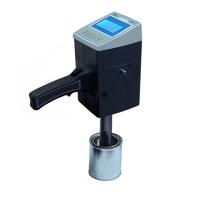
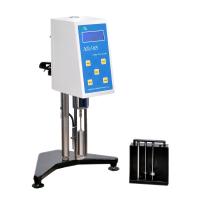
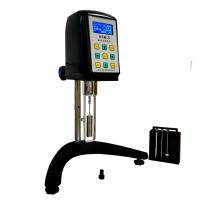
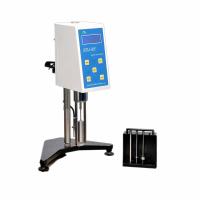
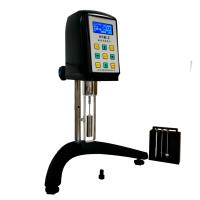
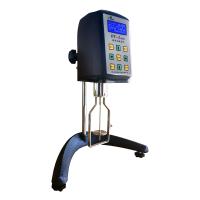
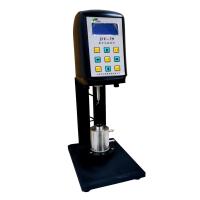
Common viscometers are Rotational Viscometer, tubular Viscometer, through Viscometer, and Hopkins Viscometer. The Rotational Viscometer is a common Viscometer that uses the relationship between liquid resistance and the swirl/spin rod for the measurement of liquid viscosity. The tubular Viscometer is a viscosity measurement by the resistance of liquid flow in a tube. The through Viscometer is a measurement of viscosity by measuring the time a liquid passes through a narrow channel. The Hopkins Viscometer uses the relationship between pressure and Flow rate of compressed gases to measure viscosity.
Using Viscometer requires certain experience and skills, and at the same time, you need to pay attention to some factors, such as temperature, pressure and environment, because these factors can affect the viscosity of the liquid. Proper use of Viscometer can help experimenters better understand the physical properties of liquids and provide important reference data for industrial and scientific research.


- 1Viscosity of polypropylene (PP) amide measured by NDJ Viscometer
- 2Which Viscometer to Choose for Licorice Extract Viscosity Testing? How to Test?
- 3Testing Principle, Advantages and Disadvantages of Capillary Viscometer
- 4Application of Rotational Viscometer in juice viscosity test
- 5Working Principle, Classification and Application of Capillary Viscometer
- 6Principle Differences of Different Viscometers and Their Applications
- 7Liquid viscosity measurement and application
- 8Measuring method of coating viscosity
- 9Principle, Characteristics and Application of Dial Viscometer


