What is vividness? How to test
Distinctness of image refers to the clarity of the image reflected by the coating film, expressed in DIO value (distinctness of image). This performance is mainly for further evaluation of the flatness of high-gloss coatings, that is to say, high-decoration coatings need to have this performance evaluation.
The test principle is shown in Figure 3-8-3. The light source maps images or numbers on the surface of the coating film, and is reflected by the coating film into the eyepiece, and the reflected image is observed by human eyes. Due to the difference in the flatness of the surface of the coating film, the clarity of the reflected image will be different.

There are 13 rows of numbers that change in size on the digital board, and next to each row of numbers are marked DOI values, which are 0.1, 0.2, 0.3, 0.4, 0.5, 0.6, 0.7, 0.8, 0.9, 1.0, 1.2, 1.5, 2.0, etc. , the higher the DOI value, the smaller the number in that row and the harder it is to read. The smallest row of numbers that can be clearly identified during the test, and the DOI value marked next to it is the distinctness of image of the paint film.
In GB/T 13492-92, there are regulations on distinctness of image for various types of automotive topcoat Type I topcoats, and the requirement is to reach 0.6~0.8. In fact, the DOI value of the high-end car coating is required to be above 1.0 DOI, and the luxury car is required to be above 1.2 DOI value, which has the imaging clarity of the mirror surface.
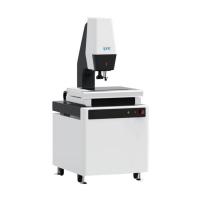
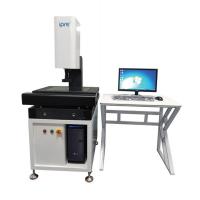
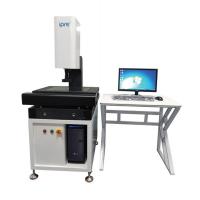
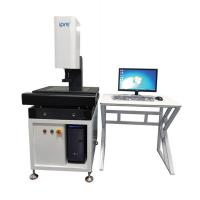
The vividness of image Tester has the domestic QYG type.
- 1Freshness Tester: a comprehensive analysis of principles, applications and selection
- 2Determination of the freshness of coating film by freshness Tester
