Test principle of electric spark leak Detector
The pipeline anti-corrosion layer electric spark leak Detector uses the principle of high-voltage spark discharge to check the defects and damage points of the anti-corrosion layer such as missing coating, exposed iron, and pinholes. It is mainly used for the quality inspection of the anti-corrosion layer in the prefabrication plant, the quality inspection before the backfilling of the pipeline ditch after the on-site pipeline filling construction, and the inspection of the damaged position of the anti-corrosion layer on the surface of the pipeline excavated after the ground leak detection in the management of the anti-corrosion layer .
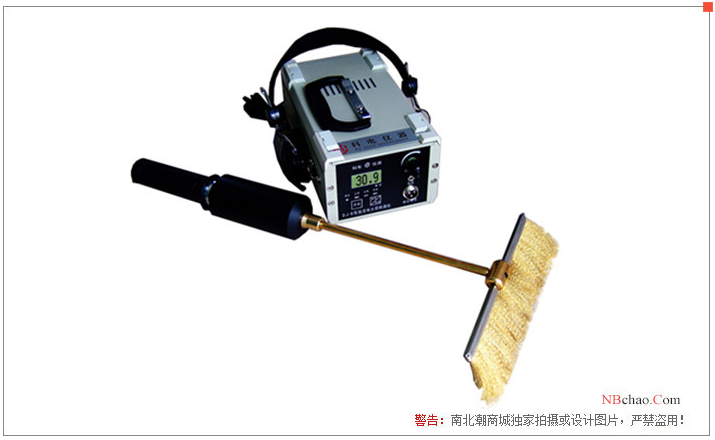
The spark leak Detector is divided into 3 parts:
Host: power supply, high voltage pulse generator and alarm system;
High-voltage gun: built-in voltage doubler rectifier element, which is the connection between the host and the probe;
Probe accessories: There are two types of probes: conductive rubber ring type and copper brush type.
The principle of electric spark leak detection is that when the high-voltage probe of the electric spark leak Detector moves close to the surface of the pipeline anti-corrosion layer, when it encounters a pinhole, damage or unqualified thickness of the anti-corrosion layer, the high pressure breaks down the air gap here, An electric spark is generated, and at the moment of spark discharge, the current of the pulse transformer increases instantly. This current causes the alarm sampling line to generate a negative pulse, which triggers the monostable delay circuit, and then drives the switch to make the audio oscillator vibrate, and the speaker sends out an alarm sound.
- 1Holiday Detector Coating thickness and reference voltage comparison table
- 2Method for testing the impact resistance of anti-corrosion coatings by coating impact testing machine
- 3How to detect the leakage of the anti-corrosion layer?
- 4Pinhole and Pore Detection: Spots in Armor
- 5Application of EDM Leak Detector on Coated Steel and Concrete Substrates
- 6How does Holiday Detector work in coating leak detection control?