Requirements for the hardness of the scraper plate and testing equipment
Due to the difference in the elasticity of the squeegee material, the amount of ink that is pressed out is also different, so the reproducibility of the image will also be different. The hardness of the scraper rubber is mostly in the range of Shore A60~80 degrees. In order to maintain stable printing conditions, it is required that the bending force of the squeegee cannot be changed. For this reason, the selected scraper rubber needs to be a rubber that is not corroded by ink solvents, is not affected by mechanical forces, and has a small change in hardness. Rubber is a high-molecular polymer, and its elasticity and hardness vary depending on the type of rubber and the proportion of compounds. Especially polyurethane rubber, due to the influence of its composition and vulcanizing agent, is very sensitive to temperature changes, resulting in changes in hardness and making screen printing impossible, so it is very important to choose a scraper material.
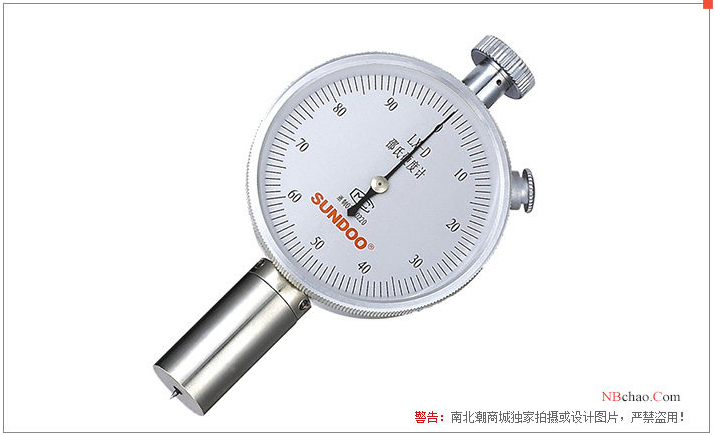
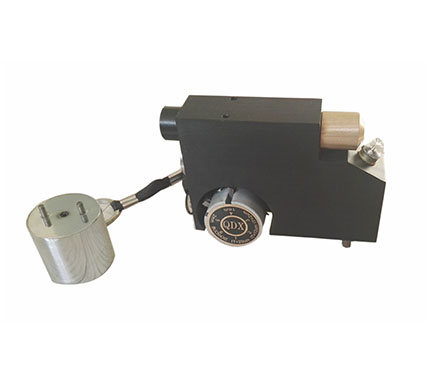
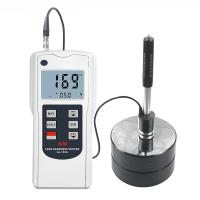
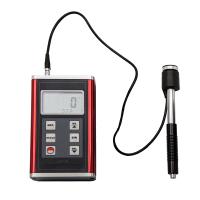
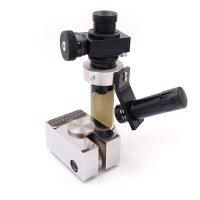
The hardness of the scraper rubber strip can be measured by a Hardness Tester. The Hardness Tester can accurately measure the hardness of the scraper glue. The flex resistance of the squeegee is determined according to the hardness of the squeegee. The higher the hardness, the more resistant the blade is to flexing. During the use of the scraper, with the increase of time, high-strength, long-term operation, high temperature and solvent erosion will cause changes in the hardness of the scraper. In the printing process, the higher the hardness of the squeegee, the more difficult it is to assemble and use, because the higher hardness of the squeegee affects other printing. Due to the insensitive response to changes in conditions, the scraper with lower hardness has better applicability, but it often causes the rubber strip to curl when the pressure is too high.
The hardness of the scraper is inversely proportional to the deformation of the scraper. The hardness is small, which is beneficial to the contact between the scraper and the screen, but not conducive to anti-bending. If the hardness is too large, the friction force on the screen plate will be large during printing, which will affect the printing accuracy. The usual practice is: print soft (such as paper and soft plastic, etc.) materials with hard rubber; print hard (such as glass, hard plastic and metal, etc.) materials with soft rubber.


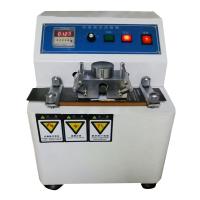


- 1Ink Rub Resistance Tester: Core Equipment and Application Analysis of Wear Resistance Testing for Printing Products
- 2Frequently Asked Questions about Hardness Testers in 2022
- 3Ink decolorization testing machine tests ink friction resistance
- 4Test method for roll hardness
- 5How many Hardness Testers do you know?
- 66 Tips for Using a Hardness Tester
- 7ASTM D2240 Rubber Properties, Hardness Testing
- 8ASTM D2240 Rubber Properties, Hardness Tester Hardness Testing
- 9What are the test subjects for perchlorovinyl resin anti-corrosion coatings?