Specific steps for ink adhesion selection
The adhesion of ink is a very important issue. When we get a sample of a substrate, if the sample is coated or plastic, we should first determine the nature of the coating on it, which kind of plastic it is, and then know the material and properties of the substrate. Based on the choice of ink. First of all, the type and serial number of the oiler should be selected according to the instructions and suggestions provided by the ink manufacturer; The error between the test and the production does not match; the drying conditions during the test must be the same as the conditions of the ink used in the future production, such as air drying or drying. Of course, the temperature and humidity during printing are also issues that must be paid attention to; during the preliminary test, scrape the dried ink with your fingers or nails to check the degree of scratches to determine the abrasion resistance and scratch resistance of the ink; To test again follow the steps below:
(1) If the substrate is cardboard, do an ink tear-off test: paste a 6.67cm wide tape on the printing area, scrape it flat with a scraper, stick it firmly, and after staying for 5rmin, place it at an angle of 180 Remove the tape quickly and then inspect the ink, print and tape in the print area for signs of peeling ink or damage.
(2) If the substrate is plastic, glass, or metal, cut off the tear-off test: use a sharp knife to cut the pattern part into small pieces every 2mm, and then use the method (1) to do it again . (Note: In general, most inks need 5~6 hours or more to dry completely, and the cutting test should be done after the ink is completely dry, and it is better to do these tests according to the drying instructions of the ink manufacturer.
(3) If no ink is found to be peeled off or the degree of peeling off is less than 10%, then the preliminary test of the ink is qualified.
(4) If the substrate is a thin sheet material, such as: PVC, polyester sheet, we need to do one more test, rub the dried material back and forth with both hands to see if the ink falls off. Repeat this test at least once to check for ink adhesion.
(5) Additional test: If the substrate is a material with some water absorption properties, it is necessary to boil the material in water for 3~5 minutes, and then check the ink condition.
(6) If the adhesion test of the ink fails, consider how to deal with the surface of the substrate or whether it is necessary to try other inks.
(7) These tests need to have detailed records, including the test procedures and means, the material properties and date of the substrate, the type of ink, the treatment of the printed surface, the name of the supplier, the nature and mesh of the mesh , tension, drying conditions, indoor temperature, humidity, presence or absence of solvents and test results, etc. After the measurement, the ink to be used can be selected, and if necessary, the color of the ink can be adjusted.


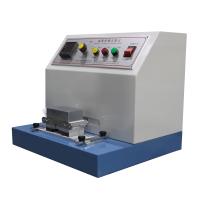


- 1Ink Rub Resistance Tester: Core Equipment and Application Analysis of Wear Resistance Testing for Printing Products
- 2Ink decolorization testing machine tests ink friction resistance
- 3GB/T36650 Optical Fiber Coloring Ink Performance Testing Scheme [With Instrument Parameters]
- 4Transfer phase of ink transport on the printing press
- 5What are the functions and benefits of ink friction testing?
- 6TAPPI T 830-2018: Ink Friction Test of Container Plates
- 7Friction resistance of screen printing ink film
- 8What is the light resistance and chemical resistance of screen printing inks?
- 9Stickiness of screen printing ink