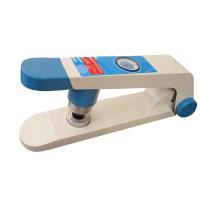
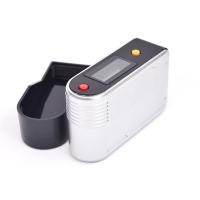
What are the two commonly used equipment for leather physical testing?
Leather physical tests mainly include: tensile strength, elongation, tear strength, composite peel strength, abrasion resistance, folding fastness, color fastness (color also includes dry rub resistance, wet rub resistance, sweat resistance , heat resistance, water resistance, wash resistance, stain resistance, etc.), air permeability, water permeability, dynamic water resistance, softness, horizontal flammability, atomization, odor, etc.
Commonly used relevant leather testing machines are as follows:
Upper Material Bending Tester
A continuous reciprocating rapid stretching motion is used during walking after wearing the shoe to simulate the squeezing, stretching and bending of the upper. After the test, check the lens for wrinkles, creases or damage as a reference for choosing the upper material.
Leather air permeability Tester
Used to test the resistance of uppers and upper materials (including leather surfaces and linings) to the penetration of water vapor. In order to be able to comply with various test specifications, the test needs to be carried out in an environment with a temperature of 20°C and a relative humidity of 65%hr.
Leather Cracking Tester
It is used to test the cracking resistance index of leather surface leather and various thin leathers, etc. After fixing the test piece, the leather is filled with leather from the inner surface at a rate of about 12 mm per minute using contact surfaces of different sizes. When there are cracks on the leather surface, the height value is the crack elongation value after comparison.
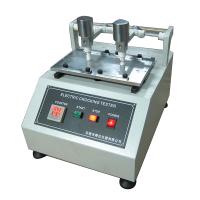
Leather Abrasion Tester
For all kinds of leather, shoe uppers and inner shirt leathers, which can be damaged and discolored after rubbing. The test method is to wrap the friction hammer with dry or wet white wool felt under the specified pressure, rub the test piece on the test bench back and forth, and observe the degree of discoloration or damage after the test.
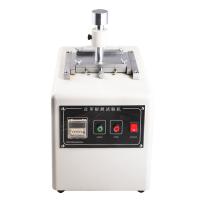
Leather friction resistance test machine
It is used to test the friction resistance of leather, artificial leather, rubber, cloth and other materials. The load can be adjusted to the test piece, the distance between the grips and the reciprocating distance, and the distance between the grips can be gradually reduced. After lightly touching the cloth surface of both samples, the load is applied. After a certain frequency and under the specified stroke conditions, after 1000 times, observe whether the cloth base and coating on the surface of the sample have cracks, damage or separation, so as to determine the performance quality of the product.
Leather shrinkage temperature Tester
Suitable for any leather that has a shrinkage temperature below the boiling point of water. The principle of the test is to place the test piece in water and heat it slowly until the test piece shrinks suddenly. Record the temperature at this time. This temperature is used to indicate the tanning characteristics of the leather. The leather shrinkage Tester uses professional single-chip technology to precisely control temperature, electromagnetic stirring and LED display.
Leather tensile strength testing machine
It is used for testing in industries such as leather, shoemaking, metal, plastic, rubber, textile, synthetic chemistry, wire and cable, etc. This universal testing machine can test the tensile strength of various materials, semi-finished and finished products. Strength, elongation, elongation, peel, tear, bending resistance, compression and other tests can be performed.


- 1Working principle and application of UV coating Cupping testing device
- 2Application of shakeout Tester in organic polymer film abrasion resistance testing
- 3Application of shakeout Tester in aluminum surface coating abrasion resistance testing
- 4Paint film abrasion resistance and test method thereof
- 5Polyethylene (PE) coating indentation hardness inspection and its importance in pipeline corrosion protection
- 6Paint film abrasion resistance and its test method - rubber abrasive wheels method
- 7Determination of abrasion resistance of paint film
- 8Determination method of paint film abrasion resistance and its importance
- 9Coating performance testing: the key to ensuring quality coatings