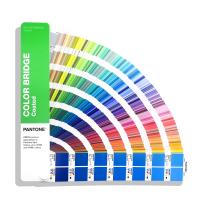
What is the paint color scheme?
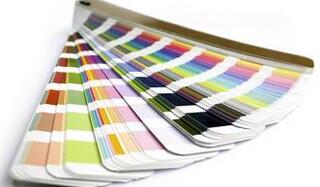 (1) When blending re-colored paints, it is necessary to choose paints with the same properties to blend with each other, otherwise, due to the poor compatibility of the paints, the quality will be affected, and even stratification and precipitation will occur, making it unusable.
(2) When mixing the first batch of colors, it is necessary to try a small sample first, and weigh its matching ratio. When it meets the sample color plate, it will be expanded in proportion, so that the color matching is more time-saving and will not be wasted.
(3) When color matching, first determine the main color, and estimate the proportion of each color, and then adjust from light to dark, stirring while adding.
(4) Pay attention to what auxiliary materials (such as accelerators, curing agents, thinners, etc.) should be added during the color mixing process, so as not to affect the color.
(5) When blending gray, green and other double-color paints, due to the preparation of various pigments, the specific gravity is different, and the phenomenon of "floating color" is likely to occur. At this time, a small amount (about one thousandth) of real oil can be added to prevent.
(6) The color should be adjusted under sunlight (not in a light or dark place), and the adjusted color should generally be slightly lighter than the color of the original sample.
- 1Paint transparency detection method
- 2Coating rheology and thixotropic
- 3The Difference Between RAL Formula Guide K5 and K7
- 4Coating unit talk
- 5Car body paints gloss detection
- 6Coating gloss detection solution
- 7Selection points of Color Chart reader
- 8What coating defects can be avoided by testing the surface tension properties of coatings?
- 9Measuring Color Difference in the Coatings Industry
Cheryl Roberts