What is the difference between stirring, dispersing and grinding?
如果你在建筑、航空、电池制造、化学品、化妆品、食品生产、油漆、油墨和涂料等行业工作或拥有一家企业,你可能听说过我们将在这篇文章中讨论的概念。
混合、分散和研磨是现代工业中常用的三种技术。每一种方法都有其独特的特点,对于跨多个行业、部门和产品利基的大规模产品制造重要性无庸赘述。但它们到底是什么,它们之间有什么区别?
虽然这三个概念因其相似性而常被误认为彼此,但它们之间存在着显著的差异。在这篇文章中,我们将仔细研究混合、分散和研磨的定义,并讨论它们之间的异同。
混合
According to定义,混合是指通过混合两种或两种以上不同的单独成分或颗粒,系统地创造出一种单一的材料。这些成分通常通过叶轮的后缘送入旋转的叶轮。
在混合过程中,整个容器内的物料流动取决于颗粒的类型和尺寸以及(更重要的)叶轮的转速。
虽然混合(有时也称为混合)和分散通常非常相似,因为它们都涉及粒子的混合,但是混合使用“流驱动”过程来获得结果。在这里,两种或两种以上的液体被熔化,一种适用的可溶固体可以溶解。因此,在混合过程中使用的许多机器也可以应用于分散。叶轮的尺寸和所需的混合速度将取决于配料的各种特性,如粘度。
分散
分散体是一种混合物,其中一种材料的颗粒分布在另一种材料的连续相中。
听起来很复杂?简单地说,分散的目的是将固体与液体混合,或将液体与其他液体混合。成品材料需要具有非常细的颗粒,目的是使颗粒在液体中均匀分布。在分散的情况下,机器会将颗粒分解,使其分散,形成均匀的材料混合物。如果这些颗粒保持团聚(聚集在一起),它们的总表面积将无法被液体溶液接触。因此,分散会使它们分解,进一步暴露它们的表面积。这个过程叫做:润湿。
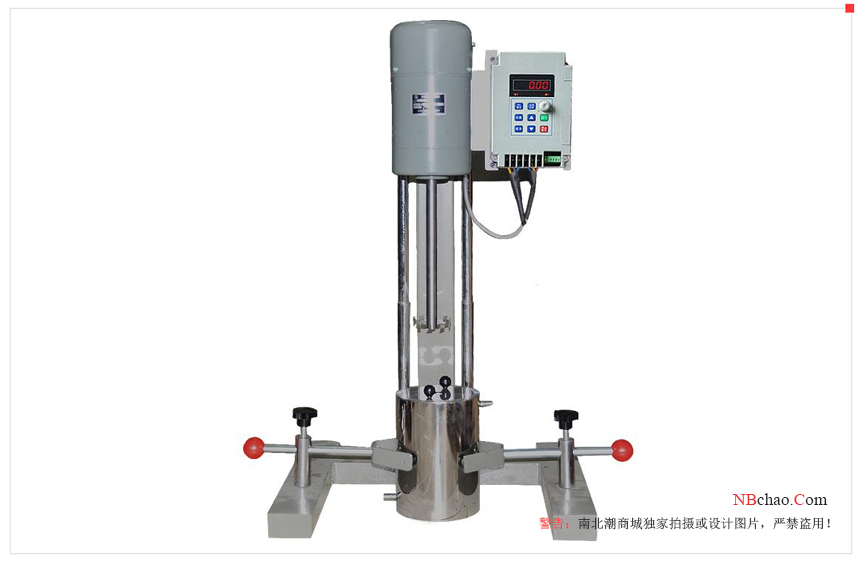
混合是流动驱动的,而分散是剪切驱动的过程。在这里,叶轮边缘产生了沿可溶性光谱分散颗粒所需的作用。这一过程通常在高速下进行,比传统的混合方法需要更多的能量。
除了明显的涂料制造外,在乳霜、乳液和其他化妆品的生产过程中,将打火机基液体、油、蜡和干成分结合起来的工艺也属于分散的范畴。
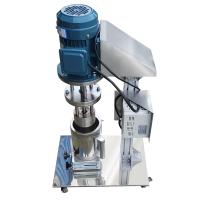
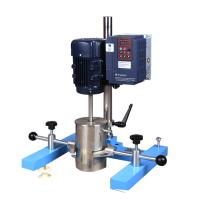
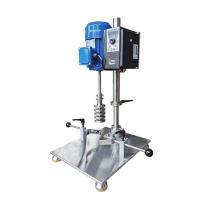
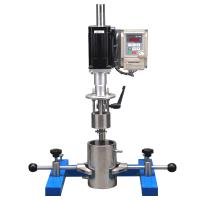
分散设备的一些例子包括转子定子和高剪切实验室混合器。
研磨
The grinding process is different from mixing and dispersing. It goes one step further: particle size reduction. Then, the mixture is transferred to a Grinder where further refinement is required for particle size pretreatment. Grinder components "attack" the particles using a variety of mechanical forces: media, pins and screens to achieve particle crushing. This process helps to maximize the yield of raw materials and, in many cases, improves the functionality of the product. In the case of coatings and inks, it aids in color development, film properties and product flow.
According to the desired final particle size, the mill can be adjusted and the ambient temperature controlled to achieve the desired effect. With so many types of mills on the market, the selection process can be daunting. During testing, there are a few key factors that need to be investigated, and equipment suppliers often offer testing services to ensure that the equipment is properly matched to the application.
in conclusion
As we discussed at the beginning of this article, the processes of mixing, dispersing and grinding are similar in many respects and, as such, are often misunderstood by each other. By understanding the similarities and (sometimes subtle) differences between the three, you will be able to determine the process required for a particular product application.

- 1Introduction of Working Principle and Application of Electric Oscillator Stirrer
- 2A Brief Discussion on the Difference between Disperser and Stirrer
- 3Several Common Coating Dispersers
- 4Inspection Contents of Chemical Plant Disperser
- 5The difference between Disperser ordinary and explosion-proof type
- 6Disperser stirring speed formula
- 7What's wrong with Disperser stirring?
- 8Main Structure of Vacuum Defoaming Disperser
- 9What oil is used in Latex paint Disperser?