What is paper synthetic pulp
Synthetic pulp is two or more immiscible resins (such as polyvinyl alcohol, polyethylene, etc.) that are heated and melted together, and then cut into fibers of a certain length after extrusion or spinning. Using it as a substitute for pulp is called synthetic pulp, or "synthetic pulp" for short. It is slightly different from manufacturing sheathed fibers.
Synthetic pulp can be used alone or with a certain proportion of plant fibers, and the existing wet papermaking equipment can be used to make paper. There is a so-called synthetic wood pulp (SwP for short) on the international market, which is a water-dispersible thermoplastic fiber containing a large amount of high-density polyethylene produced by the direct method.
Synthetic pulp has high whiteness and light scattering rate. Therefore, the paper made by adding synthetic has better whiteness and opacity, so less or no brighteners and fillers can be used. At the same time, due to its low hygroscopicity, the finished paper has little response to humidity and its size is relatively stable. However, the interweaving force between synthetic pulp and plant fibers is relatively poor, which will affect the mechanical strength of the paper, so some reinforcing agents should be added appropriately during papermaking, such as natural or modified starch, melamine resin, etc.
Paper made from synthetic pulp is called "fiber (type) synthetic paper". It can be mixed with different amounts of general pulp to make offset paper, letterpress paper and writing paper, etc., and can also make packaging paper and heat-sealing bag paper.
-
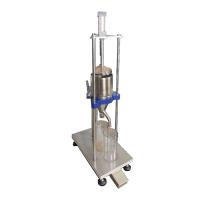
![Yongxin ZDJ-100 Pulp Beating Degree Tester]()
-
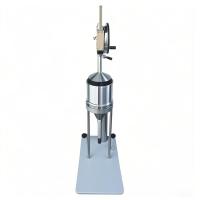
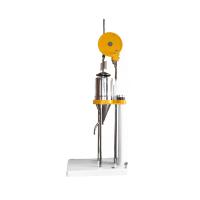
![YINUO YN-VL01 Valley Freeness Tester Valley Freeness Tester, fixed frequency/variable frequency optional]()
-
![YINUO YN-DJD01 Freeness Tester 0~100 Freeness Tester]()
-
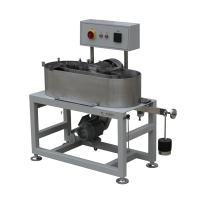
![PUYUN PY-Y811 Pulp Beating Degree Tester]() PUYUN PY-Y811 Pulp Beating Degree Tester$ 1136.00
PUYUN PY-Y811 Pulp Beating Degree Tester$ 1136.00 -
![RUNHU RH-J100 Pulp Beating Degree Tester]()
-
![JINGWEN JW-501 Beating degree Tester]()
-
![QD-3072 Pulp Beating Degree Tester]()
-
![Qinda QD-3118 Valley Freeness Tester]()
-
![HUAHAN HH-DJ100 Pulp Freeness Tester]()


- 1How to self-test the beating meter?
- 2What is the difference between the free meter and the pulp beating meter?
- 3Papermaking Process: The Difference Between Wet and Dry Process