Papermaking Process: The Difference Between Wet and Dry Process
造纸的工艺一般分湿法和干法两种,目前还是以前者为主,但后者也在发展。
湿法造纸的工艺流程-一般不外乎备料(切片)、蒸煮、洗涤、筛选、漂白、打浆、抄纸等内容,即:

湿法造纸工艺只适于植物性纤维,对于非植物性纤维(如玻璃纤维、化学纤维等)它就无法使纤维粘住而形成纸页。
干法造纸是在本世纪30年代开始试用的,干法造纸的特点非常多,例如抄造的纸品(尤其是特种纸)范围广,生产工艺中基本不用水,抄纸时则完全不用水,这就大大简化了工艺,降低了成本。
以千法制得的纸其纵横向的强度几乎是相等的,故有人称其为“布”
干法造纸利用气空为分散介质,先将纤维在空气中飘起,然后按要求让其下落,使一根根纤维能大体上匀称地交错在一起,最后粘合、干燥而成纸张。
干法造纸机与普通的造纸机不同。为保证纤维在空气中分散均匀,故它有比较复杂的梳理部分(梳解机、鼓风机、回转器等)、成型部分(无端铜网、强制沉降、真空调节器等)以及完成部分(挤压辊、干燥筒等),速度为50--100米/分。
干法造纸的生产流程,可随不同形式的于法造纸机而异。一般是由梳解机先把纤维的长短梳理好,再利用回转器把纤维吹到空气中。然后,利用调节真空度而使纤维飘落到运行着的铜网上,纤维受铜网下边的抽力作用而相互重叠组成厚薄均匀的纸页。最后通过(浸渍)粘合剂把纤维粘合、干燥、卷取等工序,即可得到强韧的纸张。
Adhesives used in dry-laid papermaking are mostly made of butadiene acrylonitrile as the basic raw material. Generally, it can be divided into three types of bonding methods: dipping bonding, spray bonding and printing bonding. Dipping and bonding: The fiber layer formed on the copper mesh is sent to the adhesive tank for dipping and saturation, and then excess adhesive is squeezed out through the pressing roller. Spray bonding is the use of adhesive sprayed onto the paper layer . Printing and sticking is obtained by using a grooved roller to apply the adhesive to a predetermined part of the paper layer and then drying it. Dipping bonding is more common .
Although there are many types of adhesives used in dry papermaking, they still have disadvantages such as easy aging and unstable performance, so they are the subject of future research.
-
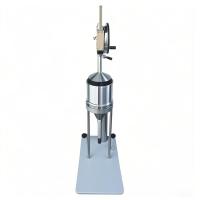
![Yongxin ZDJ-100 Pulp Beating Degree Tester]()
-
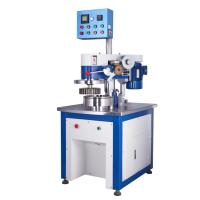
![YINUO YN-PFI01 PFI refiner, pulp laboratory beating PFI grinding method, vertical refiner, double disc grinding]()
-
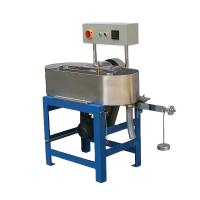
![YINUO YN-VL01 Valley Freeness Tester Valley Freeness Tester, fixed frequency/variable frequency optional]()
-
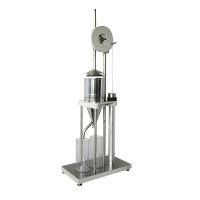
![YINUO YN-DJD01 Freeness Tester 0~100 Freeness Tester]()
-
![PUYUN PY-Y811 Pulp Beating Degree Tester]() PUYUN PY-Y811 Pulp Beating Degree Tester$ 1136.00
PUYUN PY-Y811 Pulp Beating Degree Tester$ 1136.00 -
![RUNHU RH-J100 Pulp Beating Degree Tester]()
-
![JINGWEN JW-501 Beating degree Tester]()
-
![QD-3072 Pulp Beating Degree Tester]()
-
![Qinda QD-3118 Valley Freeness Tester]()