What is the air permeability of paper? How to test?
Paper is made of interwoven fibers, and there are many pores between the fibers, so that gas can pass through the paper under pressure difference. The physical quantity to measure air permeability is called air permeability. Air permeability refers to the average air flow through a unit area of a sample in a unit time under the action of a unit pressure difference. It can also be used to express the air permeability by the amount of air per second (m3/s) or the time (s) required to pass through 100mL of air under a certain area and a certain degree of vacuum. In general, the two test results can be converted to each other. For packaging paper bags, if the air permeability is too high, it is easy to make the contents damp and deteriorate; if it is too low, it is easy to cause rupture during bagging or transportation, so proper air permeability is required.

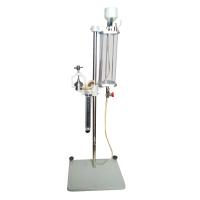
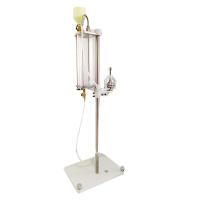
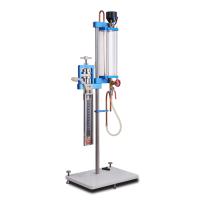
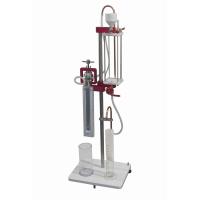
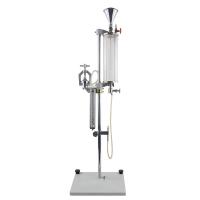
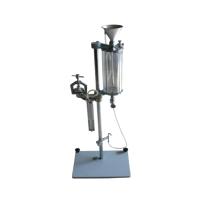
There are many instruments for testing the air permeability of paper and cardboard, such as Schopper Tester, Gurley Tester, Bendtsen air permeability Tester, Siudall air permeability Tester, Dalenos air permeability Tester, and microporous paper air permeability Tester, non-porous paper air permeability Tester wait. These porosity meters all use the air leakage method to measure the porosity of paper.
Factors Affecting Air Permeability
1. The higher the degree of beating, the lower the air permeability of the paper.
2. The relative humidity of the environment increases, and the air permeability of the paper decreases.
-
![Yongxin ZQX-1000 paper Porosity Tester Schopper method]()
-
![JINGWEN JW123 paper Air permeability meter]()
-
![YINUO YN-TQD01 Schauber Air Permeability Tester]()
-
![CHINA BLD-TQ20 paper Porosity Meter]() CHINA BLD-TQ20 paper Porosity Meter$ 1117.00
CHINA BLD-TQ20 paper Porosity Meter$ 1117.00 -
![PUYUN PY-H614 paper Porosity Tester Schopper type]()
-
![YINUO YN-TQD03 Battery Separator Porosity Meter Gurley Bentsen Method]()
-
![YINUO YN-TQD02 Electronic Porosity Tester]()
-
![PNSHAR PN-ZQX1000 paper Porosity Tester]()
-
![YANTE YT-TQD1000 paper Porosity Tester]() YANTE YT-TQD1000 paper Porosity Tester$ 1100.00
YANTE YT-TQD1000 paper Porosity Tester$ 1100.00