Color of film Appearance performance test
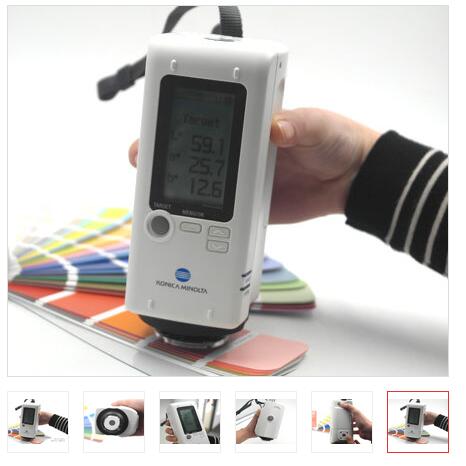
Color is the reaction in the brain caused by light stimulation of the human optic nerve, so light and color are closely related. When measuring color, it is necessary to compare it under the light specified by the standard. For example, in the visual method, under natural scattered light or CIE standard light source, overlap the test rule with the standard color plate by 1/4 area, and compare the eye with the sample at 120°-140°. It is also possible to compare the test panel with the standard Color Chart (see GB 318l-82 paint film color standard sample). The accurate method is to take the chromaticity system of tristimulus value and color coordinates, use a Spectrophotometer or a Colorimeter to measure the color difference and express it numerically. The unit of color difference is NBS (Nationa1BureauofStandards Uni1). The relationship between the value of color difference in NBS and the color difference perceived by human eyes is as follows:
| NBS unit | Chromatic aberration perception of the human eye |
| 0-0.5 | very slight |
| 0.5-1.5 | slight |
| 1.5-3.0 | obvious |
| 3.0-6.0 | serious |
| 6.0-12.0 | strong |
| 12.0 or above | extremely strong |

- 1Tristimulus Colorimeter:principle, application, operation and selection
- 2Tristimulus values
- 3Geometry of color measuring instruments
- 4Analysis of Influencing Factors and Control Methods of Coating Color Reproduction
- 5Film Appearance Color Detection
- 6Coating Color and color difference detection method
- 7Precision Colorimeter Numbers and the Meaning of Letters
- 8Pigment tinctorial strength quantitative determination
- 9How is the yellowing resistance of films determined?