How much do you know about these polymer material film making methods?
膜分离技术的核心是膜本身,膜分离装置的性能取决于膜的性能。不同的用途要求膜的性能也不同。可通过不同的成膜方法和工艺参数来调节膜性能以适应各种用途的要求。所谓的成膜方法也就是用物理或化学方法,或将两种方法结合起来,可制作具有良好分离性能的高分子膜。
1、常用的制膜方法
因膜的用途不同,要求所具备的性能也不同,这就要求采用不同的制膜方法和成形参数,以调节膜的性能,而适用各种用途的要求,通常使用的制膜方法主要有以下几种:湿法成膜( 包括干喷湿法成膜);干法成膜;熔融法成膜;冻胶法制膜;复合膜。
其中湿法成膜是常用的一种制膜方法,不论平板膜、管式膜或中空纤维膜都可以采用湿法成膜。制造复合膜的方法主要有:水面形成法、聚合物的稀溶液的表面涂布法、界面缩合和界面缩聚法、单体催化聚合法、等离子体聚合法、以及动态形成法等。
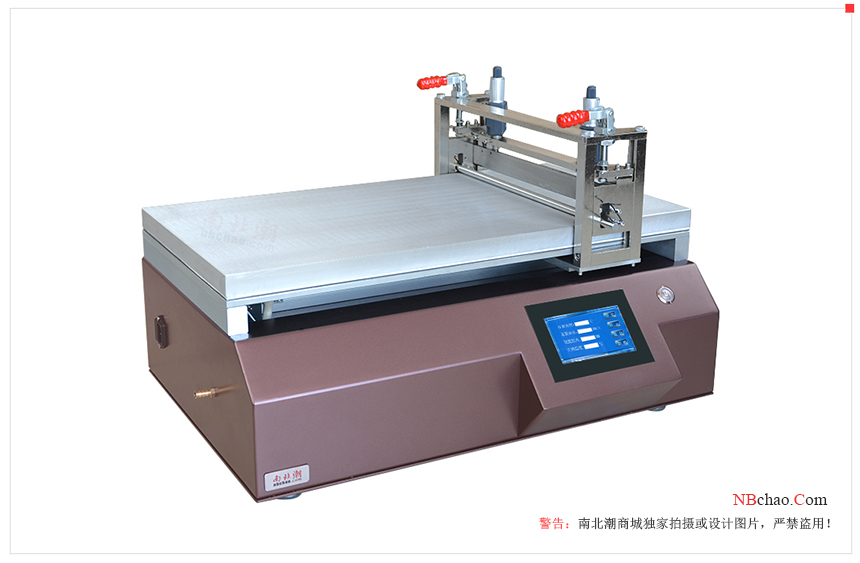
2、特殊的制膜方法
随着膜分离科学的发展和新技术的不断涌现,又开发了如下一些特殊的制膜方法:
(1) 物理浸入法
(2)核径迹成膜: 用核径迹法制取滤膜通常是以聚碳酸酯或聚酯薄膜(厚度为5-15um)为素材,按下列两道工序进行:
工序1:使聚碳酸酷薄膜在原子反应堆中接受荷电粒子的照射形成径迹。其孔密度(单位面积上的孔数)可由荷电粒子的照射时间加以控制。
工序2:将前一工序获得的径迹进行浸蚀处理,在酸、碱的作用下形成垂直通孔。掌握处理时间和温度的变化,便可控制所需的孔径。一般可制成由0.05um到12um孔径的十多种规格的膜。
(3) Stretching pore-forming method: mainly used for film-making methods based on polymers such as polyolefins. First, extrude crystalline polyolefin into a film at a low melting temperature, then extend it to obtain a high melting stress, then anneal it under tension-free conditions , and finally stretch it.
(4) Dissolution method: First, some soluble solid fine powder ingredients are mixed into the film-making substrate, and after the film is formed, it is dissolved with water or other solvents to form holes. For example, mix salt, calcium carbonate and other fine powders into the polymer to make a membrane, and finally dissolve it with water or acid to form a porous membrane.
(5) Sintering method: take the membrane material fine powder with a certain particle size and place it in a certain mold and strictly control the temperature and pressure, so that the surface of the fine powder particles will change from soft to molten, and then bond with each other to form a porous body, and finally carry out Machining (such as turning) results in a filter membrane.
(6) Electrospinning: Dissolve/melt the polymer, add it to the spinneret, connect high-voltage electricity, and form a high-voltage electric field between the spinneret nozzle and the receiver, and under the action of the electric field force, overcome the solution /melt surface tension , forming polymer microfibers, randomly arranged on the receiving device, forming a film. The diameter of the fiber obtained in this way is between tens of nanometers and hundreds of nanometers, the specific surface area is relatively large, the formed membrane has a large porosity and a high flux .
At present, there are many methods for making membranes at home and abroad, the most practical ones are phase inversion method (salivation method and spinning method) and composite membrane method.
This article is excerpted from "Research on PVA Blended Temperature Sensitive Film". The copyright belongs to the original author. If there is any infringement, please contact us immediately, and we will deal with it in time!


