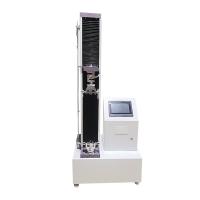
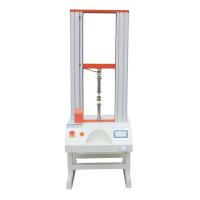
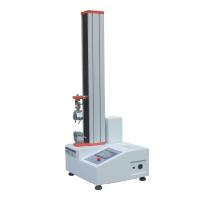
Different applications of universal Tensile Testing Machine
Of all known methods of directly measuring the strength of materials used in many applications, tensile testing is perhaps the most straightforward and easiest to apply.
A multipurpose Tensile Testing Machine is a machine specially designed for this purpose. Tensile testing, however, is more than just pulling an object apart to its breaking point. By using other variants of the test method, the tensile strength of a material can be correctly determined regardless of its size, shape and other different dimensions.
What is a Tensile Strength Test?
The concept of tensile strength is actually quite simple. In order to determine the actual tensile strength level of a material, a certain amount of tension needs to be applied at various points.
The most basic method is to simply pull the material at two opposing points. By calibrating the tensile force required to elongate a material to its breaking point, manufacturers and engineers can predict how a material will behave if a similar force is applied for whatever purpose it was designed for.
The advantage of tensile strength testing is that minimal preparation is required to make the material compatible with the procedure. All that is required is to cut the tensile test sample to fit the machine.
Extensive test material preparation, such as removing blemishes or checking the abrasiveness of sample surfaces, is not required. The test itself is designed to subject the material to intense pressure and tension. In turn, this will determine whether the material is suitable for any purpose of the manufacturer.
How is a tensile strength test performed?
As mentioned earlier, there are several ways to determine the tensile strength of a material. However, they all serve the same purpose: to bring a material to its breaking point and determine its structural strength.
1. Pull test
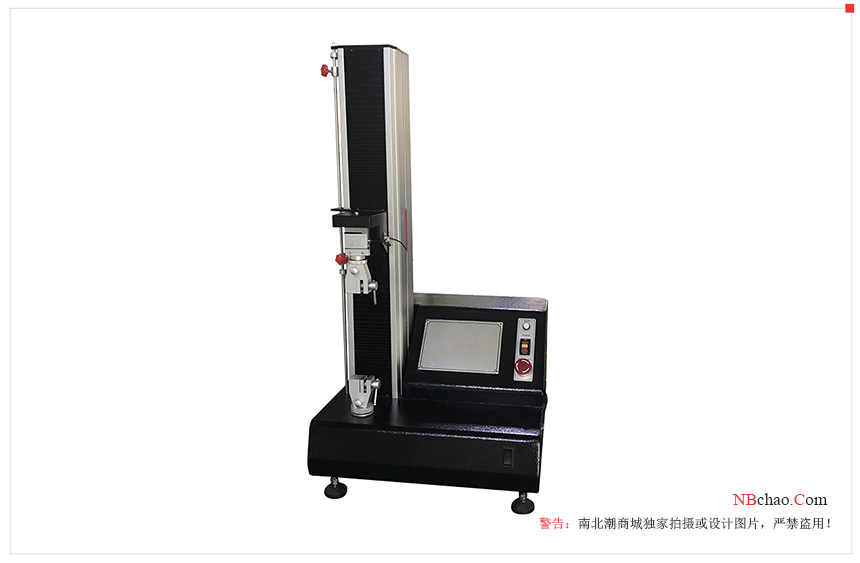
This is the standard tensile test mentioned above. To perform this test, the operator will place a material between two grips. Once a specific force is set in the machine's control panel, the grippers move away from each other.
This will cause the material to warp and elongate, which allows the operator to determine 3 aspects:
A. Tensile Strength – The structural integrity of a material even after stretching.
B. Elongation – The length of a material after it has been stretched. For elongation to be effective, the material must not separate in two during stretching.
C. Tensile Modulus – The stiffness of a material when stretched. Some materials tend to become softer and weaker when stretched, while others retain some form of durability.
2. Compression test
This is the exact opposite of standard tensile strength testing. Instead of pulling the material at two points, a Tensile Strength Tester "presses" it.
Using two horizontal plates, the operator will apply force to the object by bringing the plates closer to each other. This test typically determines three elements, as follows:
A. Compressive Force – The force a material withstands before it breaks.
B. Displacement Load – The distance covered by the two plates during the test, and the amount of pressure applied.
C. 负载时的位移– 在材料开始"抵抗"施加在其上的力之前板所覆盖的距离。
3. 剥离试验
这类似于标准拉伸试验,但专为使用粘合剂或通过焊接程序粘合在一起的材料而设计。为了进行此测试,拉伸试验机的夹具将固定两种粘合材料的不同端。
一旦材料固定在机器上,它就会慢慢地将它们拉开。施加到测试中的压力将每秒测量1000次,并将被指定为平均剥离力。
该测试不能确定粘合材料本身的拉伸强度。相反,它将测量用于将这些独立材料组合在一起的粘合剂或工艺的强度。
4. 弯曲试验
这是压缩测试的变体,因此将对相同的参数进行操作。但是,它是专门为相当长的材料而设计的,如金属/木梁和支撑支柱。
材料将放置在拉伸试验装置的两个块上,顶部有一个压缩机板。然后通过将板降低到材料的中间来进行测试,直到它断裂或板达到一定距离。
与标准拉伸试验略有不同,弯曲试验确定了两个因素:
A. 弯曲强度– 材料在弯曲后保持的强度,特别是在弯曲点。
B. 弯曲模量– 材料弯曲后的完整性。
5. 穿刺试验
与洛氏硬度和维氏硬度测试(专为高密度金属和塑料设计)一样,穿刺测试涉及通过上方探头对材料施加压力。在此测试中,操作员将准备材料以适合测试所需的圆形尺寸。
一旦固定到机器中,探针将被降低到测试样品中。该程序旨在识别材料的抗穿刺性,因此是金属板和液体产品容器的优良之选。
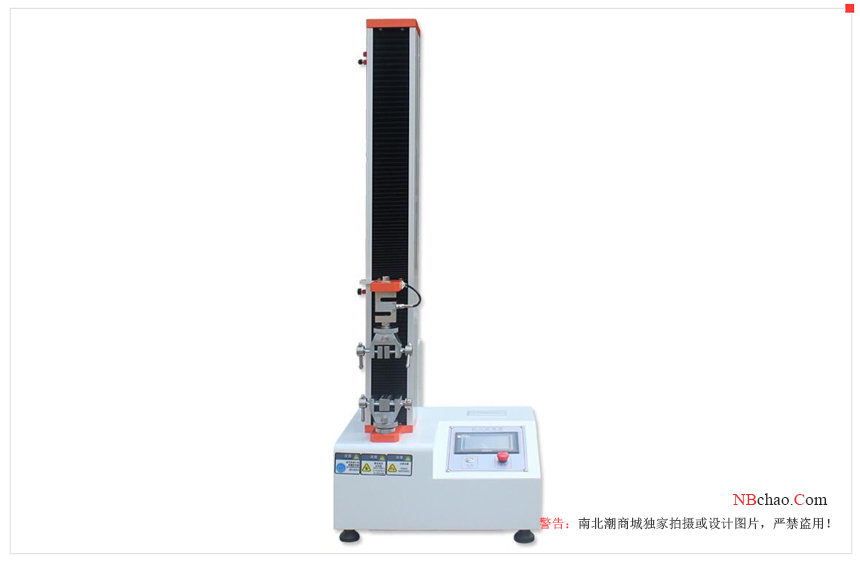
好处
由于它旨在提供有关材料结构完整性的数据,因此拉伸试验的结果可用于许多应用,包括:
A. 确定批次质量– 组件材料的质量通常决定了样品的结构完整性。事实上,单个不合格的基材就足以使整个组件不适合使用。因此,测试仪可用于确定整个生产批次是否符合普遍接受的制造标准。
B.改进设计和制造程序- 在消费者使用产品之前,没有人知道它有多好。然而,使用拉伸试验机,人们可以预测这些产品如果暴露于测试中发现的类似元素将如何反应。
This will give manufacturers an opportunity to improve their designs by exposing critical flaws in the samples. It could also lead them to optimize manufacturing costs by replacing substandard materials with more durable alternatives.
C. Failure Analysis - From a certain point of view, these tests not only judge whether the material is compatible with its use. It can also help manufacturers determine how and why these materials fail.
By bringing a material to its breaking point, Testers can determine at what point and in what manner their product will fail catastrophically. This can be used to improve their products or educate end users on proper usage to prevent unwanted incidents.
important hint
Regardless of the name, it is important to remember that not every universal tensile strength testing machine is designed to perform all 5 tests. At best, one should find a machine with multiple grips designed to efficiently perform every known tensile stress test.
A competent multipurpose testing machine should be able to determine the structural strength of any test specimen before the material is used for any purpose contemplated by its manufacturer.


- 1Tensile machine application in various industries
- 2Technical analysis of key parameters of Tensile machine: Scientific selection from force measurement accuracy to Power system
- 3Tensile machine purchasing guide [dry version]
- 4Talking about the performance test of epoxy resin film coated on PET
- 5ASTM D5019 Single-layer roofing film reinforced CSM board (chlorosulfonated polyethylene (PE)) standard interpretation
- 6Common problems and solutions in tensile testing
- 7What is tensile strength testing and which products can be tested?
- 8Factors Affecting the Performance and Accuracy of Tensile Testing Machines
- 9Classification of Tensile Testing Machines
-
![Patek Jushi LY-7012C Tensile Tester 1000KG]()
-
![BaidaJUSHI LY-7012A Small Tensile Testing Machine 200KG]()
-
![CHINA NBC-1024-2 Tensile Tester 5T]() CHINA NBC-1024-2 Tensile Tester 5T$ 6635.00
CHINA NBC-1024-2 Tensile Tester 5T$ 6635.00 -
![CHINA NBC-6820 Ring type initial tacking machine Tensile Tester]()
-
![CHINA NBC-1023-1 Computerized Double Column Tensile Testing Machine]()
-
![CHINA NBC-1021 Touch screen single column Tensile Strength Tester 10KG]()