What is the standard galvanized steel sheet? How to store it properly?
一些油漆测试应用可能需要带有锌或锌合金涂层的钢板。因为有这么多品种的锌和锌合金涂层可用,这些将不详细讨论。不同类型的锌涂层的一些例子包括热浸镀锌钢(镀锌),电解镀锌(电镀锌),锌-铁合金涂层(镀锌)和5%锌-铝合金涂层(galfan)。每一种涂层都有各种各样的涂层名称,以及差别化和单面涂层。以下是一组关于锌和锌合金涂层钢板制备的通用指南。
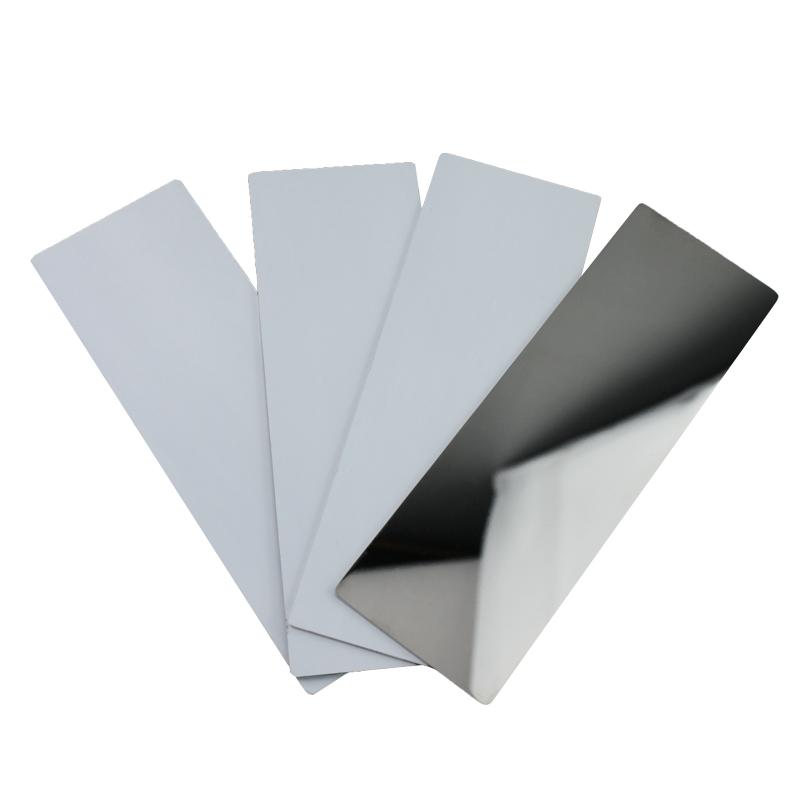
当购买用于制备测试板的锌或锌合金涂层钢时,为所使用的金属准备详细的规格是很重要的。采购规范中应列出的信息包括所需锌涂层的类型,金属的质量,光洁度要求,以及涂油和化学处理的要求。锌涂层表面上看似微小的差异会显著影响涂层的性能。
用于制备镀锌钢板的金属应完全没有湿储存污渍或白锈。湿储存污渍是在潮湿或通风不良的条件下储存或运输的锌表面出现的白色或灰色锌腐蚀产物的沉积。钢厂通常会对镀锌钢板表面进行铬酸盐钝化处理,以帮助尽可能地减少这种潮湿的储存污渍。这种钝化处理作为一种屏障,直接抑制涂料和其他涂层与锌表面的结合。经过钝化处理的镀锌钢不应用于测试板生产。对金属进行特殊的非钝化处理是必要的,因为这种处理是工厂的标准程序。钝化处理可以通过磨损去除表面,但这会显著改变表面轮廓。
表面处理
镀锌钢板需要进行清洗,以清除任何可能影响表面镀层的油和颗粒土壤。如ASTM D 609所述,溶剂清洗和水碱性清洗都是清洗面板的合适方法。然而,值得注意的是,锌和铝一样,容易受到强碱性清洗液的腐蚀。当使用碱性清洗工艺制备用于油漆的镀锌板时,要注意确保清洁剂的浓度、温度和接触时间适合于锌表面。清洗后,镀锌板应完全没有水分和颗粒土壤。
镀锌钢板可以使用磷酸锌转化涂层进行处理,以提供用于涂装的改进表面。成功地对镀锌钢板表面进行磷酸处理比对冷轧钢板表面进行磷酸处理要困难得多。因此,严密控制磷酸锌工艺参数显得尤为重要。含镍和氟的磷酸锌溶液适合处理镀锌钢的表面。
试验面板的处理和储存
Good painting practice dictates that test panels should be painted as soon as possible after they are ready to paint. Where this is not practical, test panels can be extensively washed and pretreated and then stored for future use. However, once panels have been cleaned and pretreated, it is important to handle them in a way that avoids recontamination. When handling pre-washed panels, they should be handled by the edges only and with gloved hands or clean tools such as pliers.
Another issue is how the pre-cleaned panels are stored to protect them from corrosion attacks. This is especially important when dealing with steel plates. The steel shipped from the factory is generally coated with a layer of anti-rust oil. The cleaning process removes these protective oils, making the steel plate prone to rust. If steel plates are to be stored for a period of time, they need to be protected with some type of corrosion inhibitor. An effective method is to wrap the steel plate with paper impregnated with volatile corrosion inhibitor (VCI). Steel plates wrapped with suitable VCI paper can usually be stored for many years without rusting. This is because the volatile corrosion-inhibiting compounds in the paper, including nitrites and amines, evaporate and adsorb on the steel surface. The presence of these compounds on steel surfaces has been shown to negatively affect the performance of applied coatings in certain types of testing. In this case, the panels should be washed prior to painting to remove residual corrosion inhibitors. However, traditional cleaning methods are often ineffective. Thorough wiping with a cloth dampened with warm distilled water is a good way to remove surface VCI compounds. Wet sanding is another effective method, but this changes the surface profile.
VCI paper can also be used for galvanized sheet. The aluminum plate should be wrapped with ordinary kraft paper or plastic bag to prevent dust. They do not require any special packaging to prevent corrosion. It is enough to store them in a dry, clean place where they are not exposed to moisture.
