What is the Buchholz indentation test?
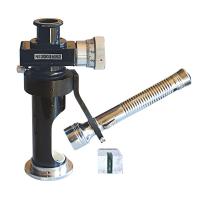
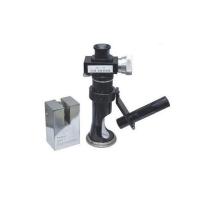
The Buchholz indentation test is a popular coating evaluation method used to determine the hardness of a coating, also known as its resistance to indentation. This test requires a special device called a Buchholz indentation Tester. The indentation left by the Tester is measured to determine the hardness of the coating.

For testing, a Buchholz indentation Tester was used on the coated samples. The Tester consists of a sharp tool made of metal. This sharp tool imprints onto the coated sample using a constant load. The timer finishes loading the application. The combination of loads and sharp tools can create indentations in the coating.
After the indentation is made, a microscope with a scale displayed on the viewing lens is then used to measure the size of the depression created by the sharp tool. Then find the observed measurement in the table that equates the dimple size to the hardness value.
Before testing, it is absolutely critical to ensure that the Tester is properly calibrated. This includes applied loads and the edge condition of sharp tools that create indentations in the coating. Blunt tools may give false hardness readings when performing a Buchholz indentation test.