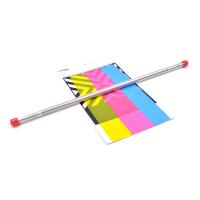
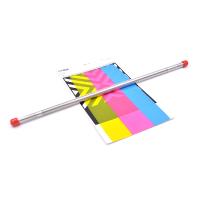
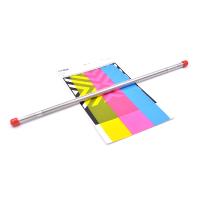
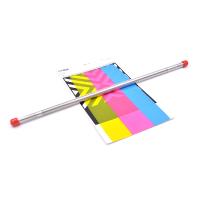
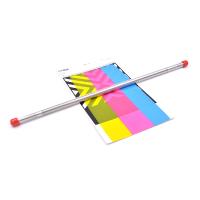
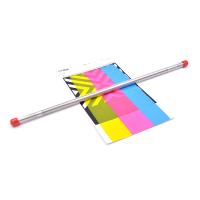
Analysis of Advantages and Disadvantages of Mayer Wire Bar Coater
Metered rod coating is the third most popular method used today, after gravure printing and reverse roll coating.
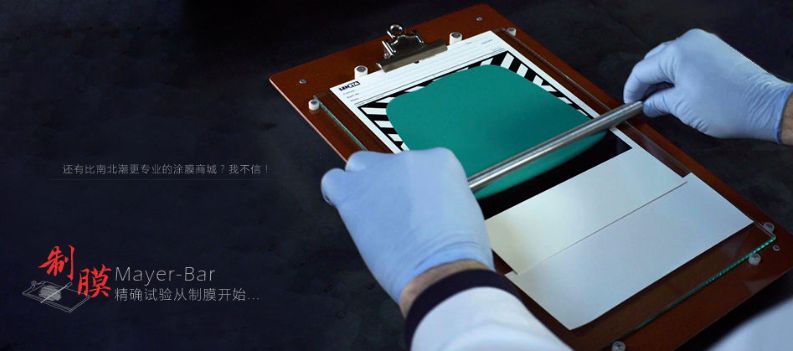
low cost
Rod coating stations are relatively inexpensive and easy to add to existing coatings. Replacing worn or damaged rods and changing from one coat weight to another is cheap and quick. Machine downtime to change rods or clean them can be measured in minutes rather than hours, requiring far less labor than other coating systems.
Accurate Coating Thickness
Measuring rods can be selected to control wet coating thickness in 0.1 to 0.2 mm increments without changing the coating formulation.
Reduce installation costs
Another important factor in the new popularity of bar coating is the worldwide trend towards shorter production cycles. The quick installation of electrode coatings keeps the converters in production for longer and with lower labor costs when changing out.
Reduced edge wear
Rod coating offers additional advantages for converters due to the method used to control the wet edge. In rod coating systems, the drying edge is controlled by wipers or patch belts on the edge of the coating roll. Because the wipers are constantly wet with coating fluid, there is less tendency to scratch the rollers. Even if scratches do eventually occur, the scratches are on the applicator roller, not the gauge rod (which controls the final coating thickness). Also, because the wipers are easily moved, their position can be adjusted while the paint is operating, with no downtime.
disadvantage
Standard metering rods are best for low viscosity liquids that flow easily between windings.
However, double wound rods can be used where the viscosity is higher. Rod Coating is also available in open width with no tight or loose edges. In producing rod coatings, the actual thickness of the coating can be affected by coil speed, viscosity and other factors. Depending on the application, rod coating speeds are typically limited to 1000 ft/min, although some coaters claim web speeds as high as 2000 ft/min. A key factor in the web speed of a rod coating system is the time it takes for the streaks formed by the rod to level. The stem meters the liquid by allowing a measured amount to flow through the space between the wires. Normal surface tension forces the raised parts to flow out and form a flat, even coating, but there is a timing factor, which is different for every coating material. Web speed needs to be controlled to allow time for leveling before the web dries.
- 1Application of Mayer Rods in protective coating prepative
- 2Application of Mayer Rods in 2D Single Crystal Copper Nanosheet Films
- 3Application of Mayer Rods in composite coating prepative
- 4Several Common Experimental Spreader Methods and Their Applications
- 5Application of Mayer Rods in Water-based ink Moulding
- 6Technical method and application of preparing nanometer silver wire thin films with Mayer Rods
- 7The experimental case of OSP Mayer Rods at inks Moulding [with video]
- 8Why Do Film Applicators Need to Change Their Wires Regularly?
- 9Mayer-Rod (Mayer Rods) Preparative 2D Copper Nanosheets