What is epoxy resin?
Epoxy resins refer to a class of reactive prepolymers and polymers containing epoxy groups. These resins react either with themselves or with a number of co-reactants such as amines, phenols, thiols, etc. in the presence of catalysts.
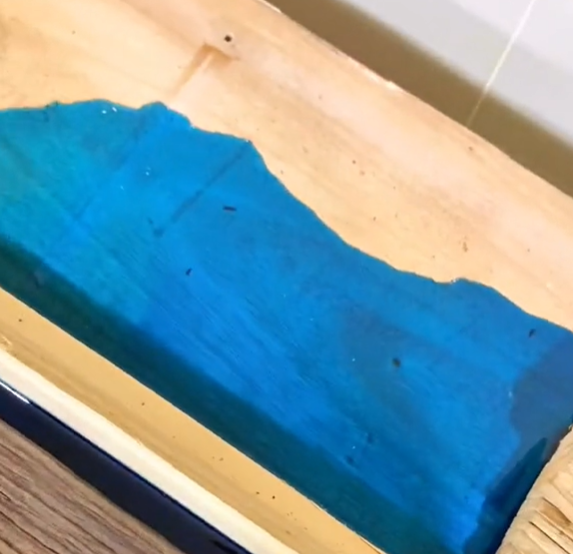
Epoxy resins have many industrial applications with a variety of uses. It has higher mechanical properties and higher heat and chemical resistance than other types of resins. Therefore, it is used exclusively in the manufacture of aircraft components.
Epoxy resins are also known as polyepoxides.
Epoxy resin is a type of resin that has tough mechanical properties, good chemical resistance, and high bond strength, making it useful in a variety of applications. The uses of epoxy resins are:
metal coating
for electrical and electronic components
electrical insulator
Fiber Reinforced Plastic Materials
Structural glue
Epoxy resins are also used in caulking and casting compounds, sealants, varnishes and paints, and other industrial applications.
Epoxy resins are preferred over other types of resins because of their low shrinkage during curing and their excellent moisture and chemical resistance. It is impact resistant, has good electrical and insulating properties and has a long shelf life. Various combinations of epoxies and reinforcements allow for a wider range of properties in molded parts.

Epoxy resins differ from polyester resins in curing. It is cured by a curing agent called a "hardener" rather than a catalyst.
While some epoxies bond to different materials better than others, all epoxies are not waterproof. Some are not recommended for prolonged immersion or use below the waterline in marine applications.
- 1Discussion on film thickness and accuracy in epoxy resin coating
- 2Experimental test of performance of epoxy resin film coated on metal iron plate by small coater
- 3Epoxy resin floor coatings key performance and detection method
- 4Epoxy resin Coating characteristics, uses and performance testing
- 5Performance Testing Subjects and Testing Instruments of Waterborne Epoxy Resin Coatings
- 6Epoxy resin coating
- 7What are the main types of epoxy resin emulsions
- 8Epoxy vs Polyurethane: Which Coating is Better?
- 9Waterborne epoxy resin curing
郭丹 - 《青岛科技大学》