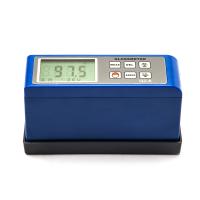
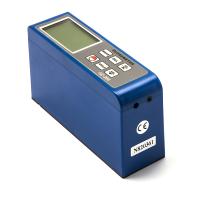
ASTM D523 Evaluation of mirror glossiness
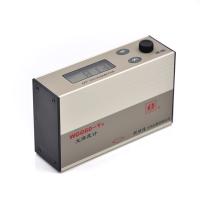
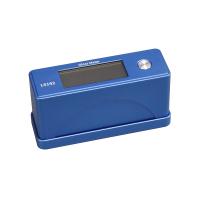
ASTM D523 is the standard test method for specular glossiness. This is a direct measurement using a "Glossiness Meter". Usually measurements will be made on a flat, uniform and clean surface. Measurements can be made on smaller surfaces i.e. 1cm2 but it is best to use larger surfaces and take multiple data points to ensure uniform sample surfaces and report representative results.
Uses and factors to consider
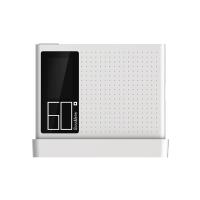
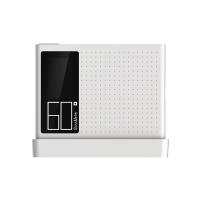
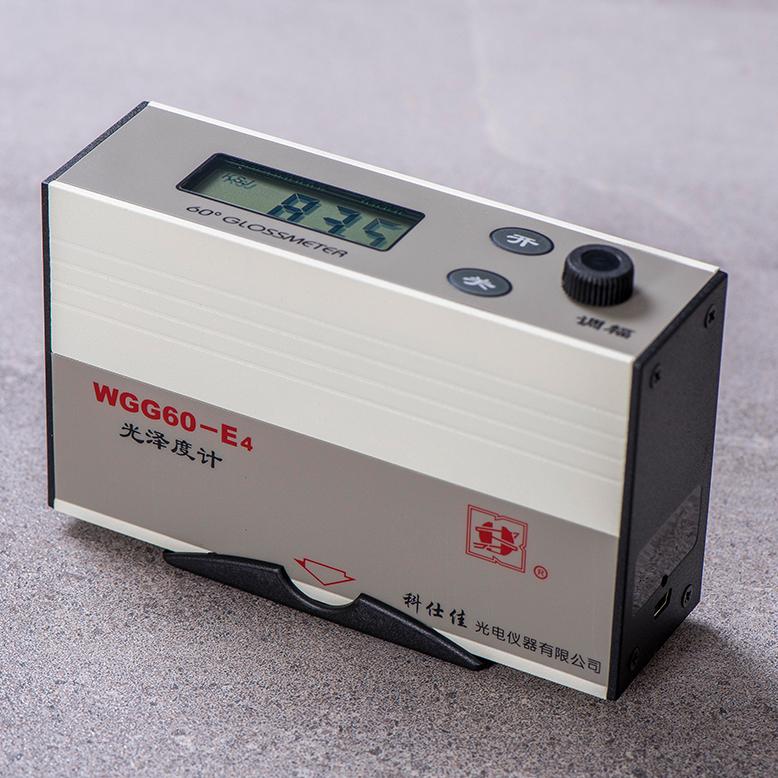
Specular glossiness is used for the measurement of the ability of a surface to reflect more or less light. This test method allows 3 Glossiness Meter geometries at 60, 20 and 85 °, of which 60 ° is the most common one. 20 ° geometry is used for the measurement of high gloss value samples, i.e. above 70 units, while 85 ° geometry is used for the measurement of low gloss value samples, i.e. values below 10 units.
Specular glossiness measurements according to ASTM D523 are also affected by the surface refractive index of the sample, and the glossiness level of the measurement varies with the surface refractive index. Therefore, it is also important to consider this parameter when evaluating products against product specifications.
Typical experimental parameters for ASTM D523 glossiness testing
Sample/Product Quantity: 1 sample, 10 readings
Sample size: 3 "X 6"
Conditioning and testing, temperature: 23 ± 2 ℃
Adjust and test relative humidity: 50 ± 5%
- 1Gloss inspection method of slurry inks
- 2Principle and Application of Glossiness Tester
- 3Working Principle and Application of Metal Gloss Meter
- 4Basic principle and application analysis of insulating paint gloss Detector
- 5Working principle and application analysis of film Glossmeter
- 6Principle and application analysis of microporous gloss meter
- 7 FZ/T 01097 Analysis of fabric gloss test method
- 8Evaluation and Application of Optical Properties of Powder coatings
- 9Coating coatings - Determination of surface gloss and Gloss meter