What are the functions of plastic surface treatment?
The treatment of plastic surfaces depends on the types of individual polymers involved that perform many functions.
1. Remove pollution
Anything that interferes with the contact of the coating film with the plastic needs to be removed. Need to remove process oils, dirt and grime, waxes, mold release agents and poorly retained plasticizers.
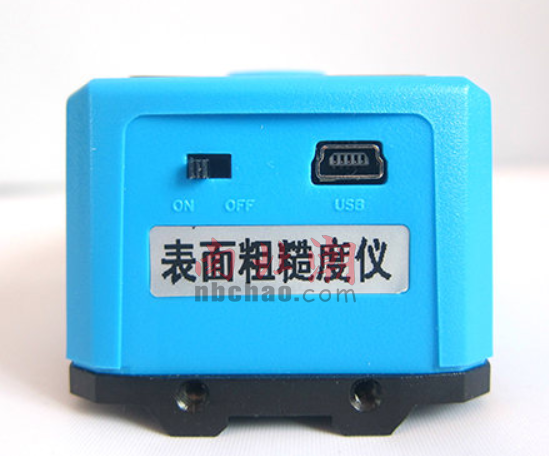
2. Control of surface roughness
No surface is perfectly smooth, and a variety of technologies enable coaters to match the finish on plastic to the components of paint viscosity to improve film adhesion.
3. Matching of surface and adhesive
Conversion of the plastic outer surface can provide a more interface-like or more compatible chemical structure with the coating.
4. Provide a boundary layer
Plating or coating a surface with a primer will often provide a surface more suitable for coating adhesion.
5. Control the formation of oxides
Polymers generally exhibit good oxidation resistance, but several procedures promote oxide formation due to the higher surface activity levels of oxidized surfaces .
6. Absorbed water control
Many plastics readily absorb moisture from the surrounding atmosphere. This moisture can interfere with film adhesion, especially for coatings that require a heat cure cycle.
- 1How to evaluate the surface treatment?
- 2What are the common methods of chemical surface treatment?
- 3What are the types of surface treatment technologies?
- 4What are the influencing factors of surface treatment strength?
- 5Analysis of Substrate Surface Treatment to Prevent Corrosion
- 6Application of QNIX Thickness Gauge in coated Film thickness measurement
- 7Several surface treatment methods before painting metal products
- 8Fluorine Pretreatment: Application Examples
- 9Fluorination Process of Fluorine Resin on Surface Pretreatment of Polymer Fiber Web