How to evaluate the surface treatment?
In the early stages of developing a suitable surface treatment technology, appropriate screening tests are necessary to determine the effectiveness of the process. There are several methods available for testing:
Water breaking test. Water poured on a clean surface will become smooth and spread over the face. However , oily or poorly prepared surfaces can bead up. This test has limited validity. Low polarity surfaces, such as polyolefins and fluoroplastics, are not recommended for surfaces that absorb moisture.
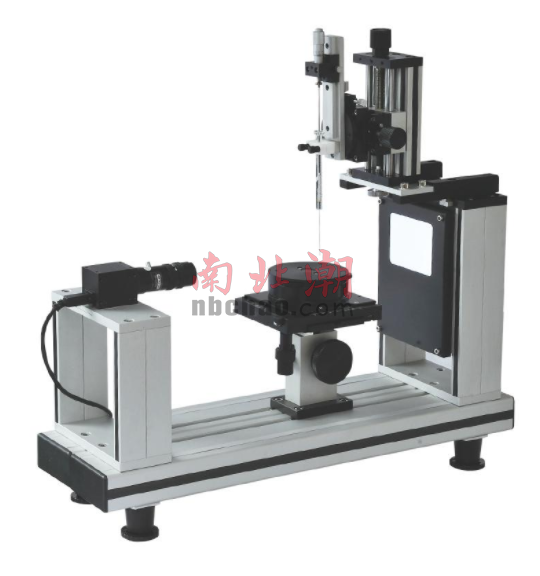
Contact angle test. A drop of standardized reference fluid will be on the edge of the drop. Well-prepared surfaces wet more easily and will exhibit lower contact angles than untreated surfaces.
Tape test. A flexible tape can be applied to a surface and subjected to a peel test. Tapes should be applied under controlled conditions, with standardized pressures and specified dwell times. For consistent results, the type, width, and brand of tape should remain the same.
Quick test strips. After the part is coated and properly conditioned, a grid pattern is made through the coating. Apply standard tape to the surface with constant pressure and then peel off quickly. Counting the number of grid squares removed gives an indication of film adhesion.
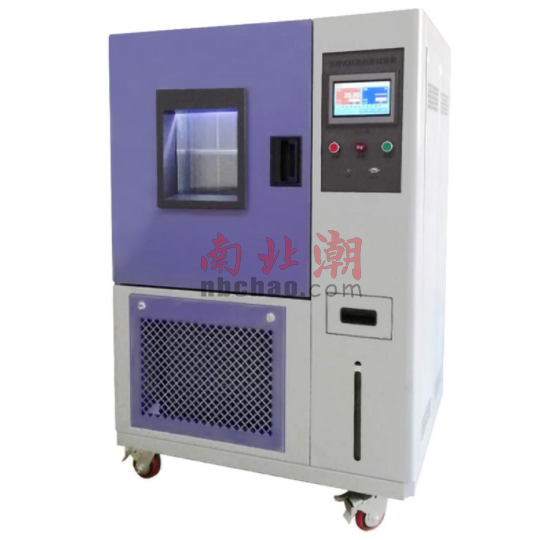
Environmental testing. Once a part has been treated, coated and conditioned, a series of thermal cycling, weathering, stress testing and various exposure tests will determine the effectiveness of the coated part to meet end-use conditions.
- 1What are the common methods of chemical surface treatment?
- 2What are the types of surface treatment technologies?
- 3What are the influencing factors of surface treatment strength?
- 4What are the functions of plastic surface treatment?
- 5Analysis of Substrate Surface Treatment to Prevent Corrosion
- 6Application of QNIX Thickness Gauge in coated Film thickness measurement
- 7Several surface treatment methods before painting metal products
- 8Fluorine Pretreatment: Application Examples
- 9Fluorination Process of Fluorine Resin on Surface Pretreatment of Polymer Fiber Web