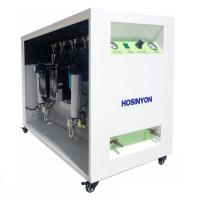
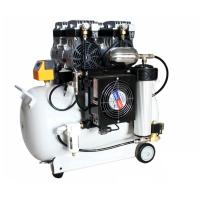
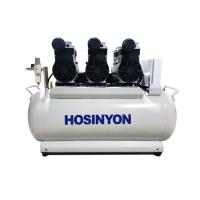
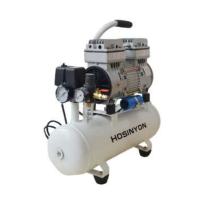
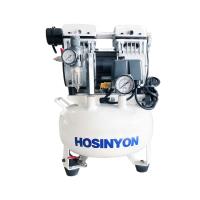
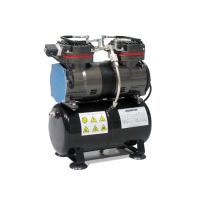
How does the Air Compressor work?
In the modern pneumatic world, the importance of Air Compressors to the operations of factories and workshops around the world cannot be overemphasized. But they haven't always been that way. The Air Compressor is a relatively new invention in the historical context of the machine age.
Before Air Compressors, many tools were powered by complex systems with belts, wheels, and other large components. Such machines are large, cumbersome and costly, often out of reach for many small operations. Today, Air Compressors come in many shapes and sizes, and you can find them in large workshops, auto workshops, and even your neighbor's garage.
working principle
Atmospheric air is forced under pressure to create potential energy, which can be stored in tanks for later use. Like an open balloon, when compressed air is deliberately released, the pressure increases, converting potential energy into usable kinetic energy. From there, this energy transfer can be used to power a variety of air tools.
Industrial Air Compressors work similarly to internal combustion engines. Typically, the operation of an Air Compressor requires a pump cylinder, piston, and crankshaft to transfer energy for various tasks. These basic components can provide air to objects such as tires or inflatable pool toys, as well as power operating tools such as drills, nail guns, Grinders, sanders, and Spray Guns.
From impact wrenches to AC units, many multi-purpose air tools and machines are responsible for everyday comfort, containment, automation and efficiency. The compressor itself is more compact and lighter than other centralized power sources. They are also durable, require less maintenance, and are easier to move than other older machinery.
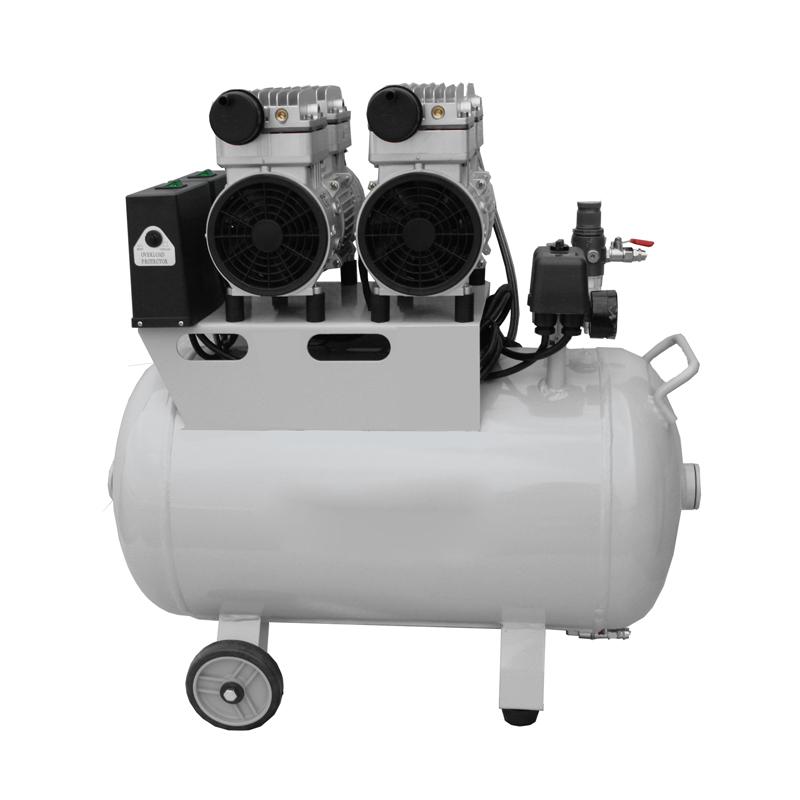




- 1Principle, structural characteristics and application of piston Air Compressor
- 2What is the structure of the Air Compressor?
- 3Air Compressor troubleshooting
- 4How to maintain the Air Compressor?
- 5Five steps to choosing the right Air Compressor
- 6Air Compressor application industry one table
- 7Air Compressor maintenance guide
- 8How to use Fusheng Air Compressor safely?
- 9Anest Iwata SLPJ-15L Oil-free Scroll Air Compressor and Miscellaneous Air Compressor of the same type
南北潮
-
![Haoxinyang HW73DS LABOratory Air Compressor]()
-
![Haoxinyang HW72D LABOratory Air Compressor]()
-
![Haoxinyang HW73 Silent Oil Free Air Compressor]()
-
![Haoxinyang HW71/15 Mini Air Compressor]()
-
![Haoxinyang HW51/9 Mini Air Compressor]()
-
![Haoxinyang HM906 Mini Air Compressor]() Haoxinyang HM906 Mini Air Compressor$ 342.00
Haoxinyang HM906 Mini Air Compressor$ 342.00