What is specific gravity? How to measure it?
What is specific gravity?
Specific gravity, called Relative Density, is a measurement used to define the weight or Density of a substance compared to the Density of an equal volume reference material at a specified temperature.
In most cases, the reference material is liquid water or gaseous air. The specific gravity represents a ratio and is therefore dimensionless.
The specific gravity of liquids is almost always measured with reference to water at a temperature of 4 ℃ or 39.2 ° F; the specific gravity of gases is almost always measured with reference to air at room temperature of 20 ℃ or 68 ° F.
How to measure specific gravity?
Specific gravity is a measure of the Density of a substance and can be used to distinguish between solids and liquids. The greater the Density of a substance, the stronger it is.
1. The Density of liquid water is 0.997, so if we weigh a glass of water and then weigh the glass of water after adding a substance, we can determine the Density of water by the following formula:
Water weight - water weight + substance
2. The specific gravity of solids and liquids
Water is the liquid with the highest known Density. We know that water has a specific gravity of 1.000. Dense substances have a specific gravity of 1.000 or higher. So substances with high Density are called solids, and substances with low Density are called liquids.
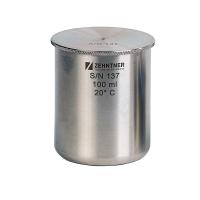


- 1Application of Specific Gravity Cup in Coating Density Detection
- 2Paint specific gravity detection method
- 3Frequently Asked Questions about the 2022 Gravity Cup
- 4Main test subjects of powder coatings and their reference standards
- 5What is the specific gravity of ink? How to measure?
- 6Determination of paint density
- 7List of commonly used testing instruments in laboratories of latex paint manufacturers
- 8How to evaluate the defoaming performance of defoamer by high-speed stirring test method?
- 9Several main items of powder coating performance testing