What is the difference between a Colorimeter and a Spectrophotometer ?
Both Colorimeters and Spectrophotometer s are designed for automatic color measurement, providing XYZ tristimulus values, Yxy chromaticity coordinates and CIELab* coordinates. However, it presents technical differences and, depending on its use, one may be more appropriate than the other.
Colorimeter
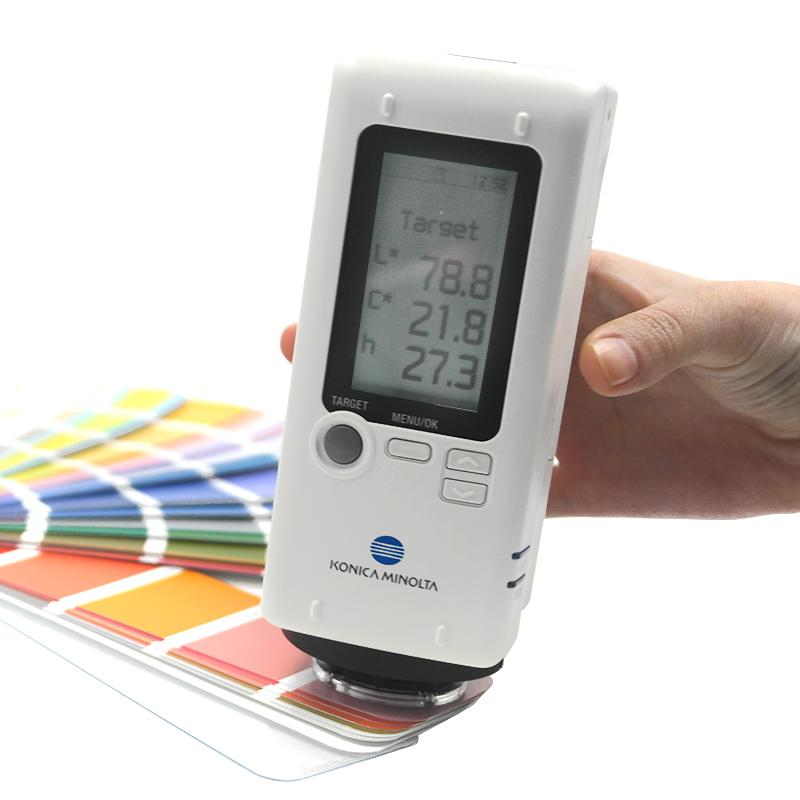
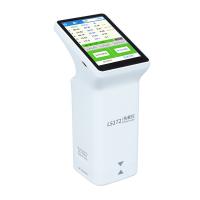
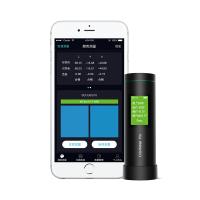
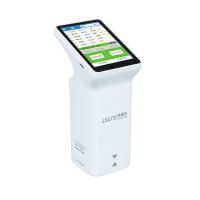
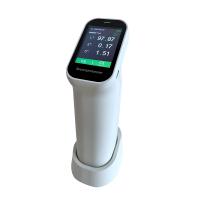
Colorimeters These are compact, hand-held, simple and inexpensive instruments, but are equally effective depending on the application.
In a Colorimeter, an object is illuminated with a specific light source that simulates a standard light source such as A or D65. The reflected light passes through primary filters: red, green and blue, which simulate a spectral sensitivity curve, and reaches the Detector, where it provides a response proportional to the tristimulus value.
Therefore, a Colorimeter provides information about the amount of red, green, and blue light reflected by an object. This colorimetric information is useful for color evaluations that do not require complexity or precision.
For example, Colorimeters are very useful in production environments where it is important to measure the color difference ΔE* between a product and a standard, between production batches, compare with a color chart, etc.
Spectrophotometer
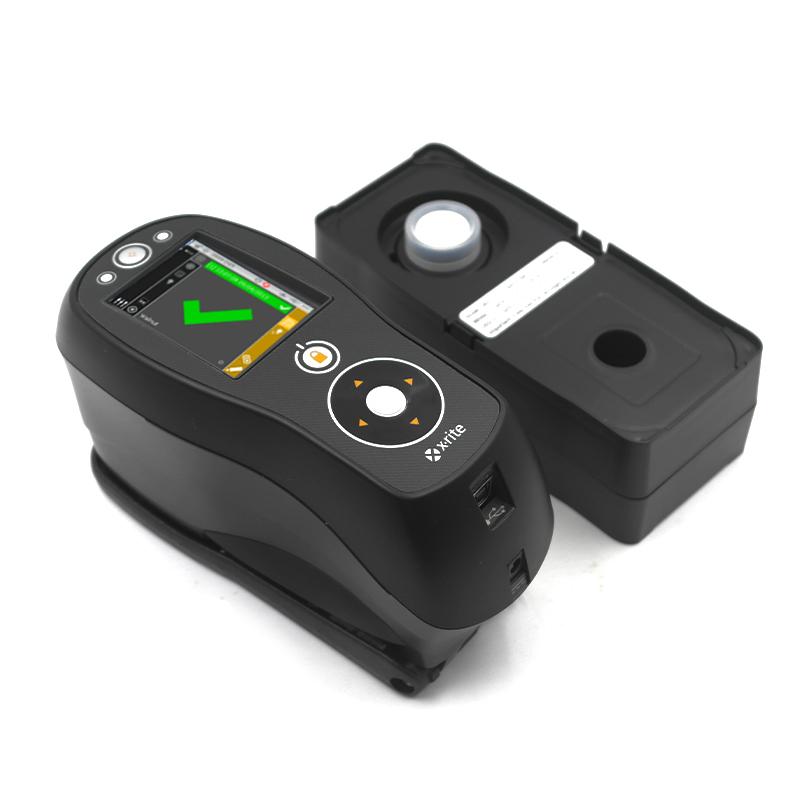
A Spectrophotometer is a color evaluation device with a more complex design and higher precision than a Colorimeter. The device is used for color quality control in processes that require greater accuracy, such as color formulation in research laboratories, paint and cosmetic companies, etc.
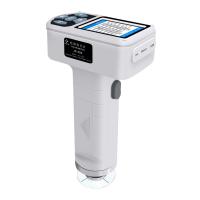
The Spectrophotometer can be handheld, has a compact and user-friendly design, and can be used in an industrial environment on the production line. Or they can be benchtop Spectrophotometer s that require a more complete view of the user but offer greater versatility.
Generally speaking, handheld Spectrophotometer s or handhelds measure the color of opaque solid objects, while benchtop Spectrophotometer s can be used to measure the color of opaque solids, translucent solids, liquids, etc.
Spectrophotometers for color evaluation measure reflected or transmitted radiation across the entire visible spectrum. To do this, a sample or object is illuminated with monochromatic radiation (a Spectrophotometer has a monochromator, filter, or prism that can distinguish wavelengths) and the amount of reflected or transmitted radiation is recorded.
The detected radiation is then processed to provide user colorimetric data.
Spectrophotometers allow selection of the light source and observer required for color measurement. Likewise, it is important to understand the device measurement geometry.
- 1Color difference meter and its application in Coating production
- 2Application of color reader in paper color difference control
- 3Principle, characteristics and application of Spinning & weaving precision color difference instrument
- 4Detection of film color retention with color reader
- 5Optical inspection structure for color readers: D/8 D/0 45 °/0
- 6Colorimeter Selection Guide [NBchao Brief Version]
- 7Application of color reader in inks industry
- 8What is the difference between tristimulus Colorimeter and Colorimeter?
- 9FAQ of computer color reader and its solution