Specification for surface finish of plastic parts
The surface roughness of plastic parts affects the appearance quality of plastic parts. The lower the surface roughness of the plastic part, the higher the appearance quality of the plastic part. So what are the factors that affect the surface roughness of injection mold parts?
1) Injection mold forming process
The factors that affect the surface roughness of injection molded plastic parts are to avoid defects such as cold scars, moiré lines, and blisters during the molding process as much as possible.
2) Surface roughness of injection mold parts
The surface roughness of plastic parts is generally 1.6~02μm. There are no requirements on the surface roughness of plastic parts. Its roughness is generally 1-2 grades higher than the surface roughness of plastic parts.
NBCHAO reminds you: During the molding process, due to the wear of the injection mold cavity, the surface roughness of the mold continues to increase, and the surface roughness of the plastic parts also increases, so it should be polished and restored after a period of use. For transparent plastic parts, the cavity of the injection mold and the surface roughness of the core material are required to be the same.
- 1Influence of surface roughness of parts
- 2High-precision roughness instrument measures the surface roughness of plastic materials Case sharing [Video demonstration]
- 3How to measure concrete surface profile (roughness) quantitatively
Defelsko
- 4Evaluation of steel surface roughness
- 5The relationship between abrasive and surface roughness
- 6Roughness and Surface Roughness
- 7Which industries need to use surface roughness meters?
- 8Surface roughness measurement
- 9What are the application fields of surface roughness meter?
-
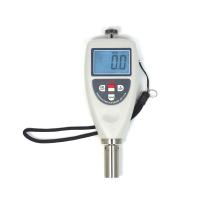
![Sand blasting shot peening Roughness Gauge AMITTARI AR-131A shot peening sand blasting, printing anti-corrosion and other industry tests]()
-
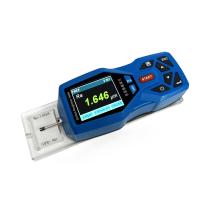
![KAIRDA NDT151P Roughness Gauge]() KAIRDA NDT151P Roughness Gauge$ 810.00
KAIRDA NDT151P Roughness Gauge$ 810.00 -
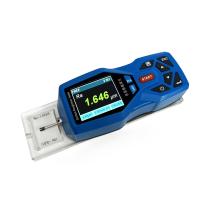
![KAIRDA NDT151 Roughness Gauge asperity Measurement Instrument]()
-
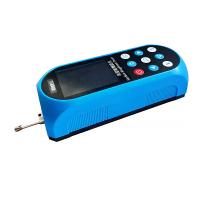
![KAIRDA NDT130 Portable Color Screen Roughness Gauge Roughometer]()
-
![LEEB462 surface roughness multiparameter measurement supports bluetooth printing and mobile app]()
-
![LEEB432 Surface Roughness Tester multiparameter measurement Measurement range 160μm]()