What is a centrifuge?
definition
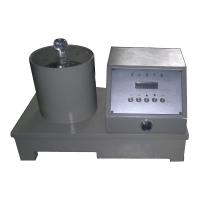
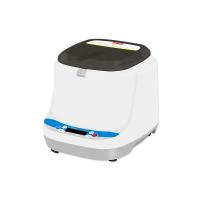
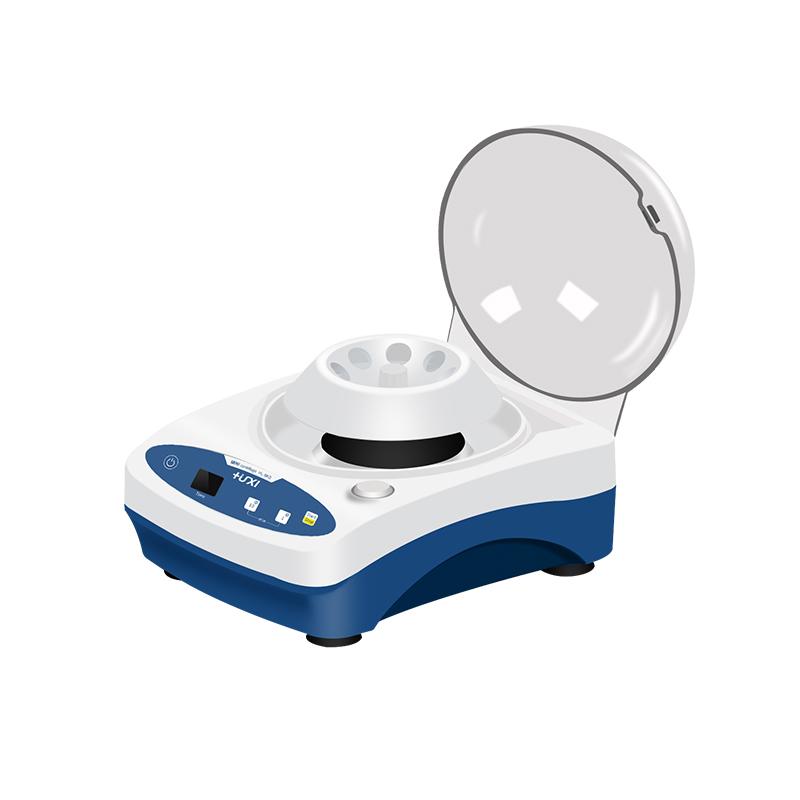
A centrifuge is a mechanical device that uses centrifugal force to separate liquid and solid particles or mixed components from two different fluids. It can also separate two liquids with different densities and they are not dissolved in each other, for example, we can separate cream from milk. The dehydration process of the washing machine also uses the principle of centrifugation.
application
Centrifuges have been used in petroleum, pharmaceutical, chemical, food, coal, water treatment and other fields. Centrifuges are required equipment in the fields of clinical medicine, biochemistry and immunology.
type
Since centrifuges are so popular, there are so many types of centrifuges in the market. We can divide it into five types according to different categories of centrifuges:
Structure: desktop centrifuge and vertical/floor centrifuge
Separation mode: filter centrifuge and decanter centrifuge
Speed: low speed/high speed/ultracentrifuge
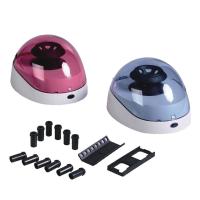
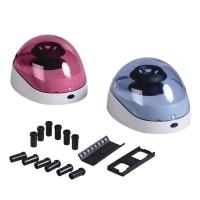
Capacity: Mini centrifuge, small capacity centrifuge, large capacity centrifuge and super large capacity centrifuge.
Freezing function: refrigerated centrifuge and room temperature centrifuge
Application: blood centrifuge, industrial centrifuge, oil centrifuge, sugar centrifuge, hematocrit centrifuge, etc.
Strong practicability: tubular bowl centrifuge, disc centrifuge, horizontal screw centrifuge, plate centrifuge.
Although there are many types of centrifuges to choose from, practical centrifuges are the most common centrifuges on the market because they can meet the needs of various industries for material separation. In addition, small centrifuges are also popular.
installation requirements
Make sure that the power supply and voltage meet the national standard, that is, within +10%, and if the voltage fluctuation is higher than the standard, a voltage stabilizer should be used.
The power wiring should meet the requirements
The ground should be flat and firm to ensure the normal operation of the centrifuge
Keeping the centrifuge in a clean, dry, non-corrosive environment is one way to protect it from moisture.
After using the centrifuge, the power should be turned off.
how to use?
No matter which centrifuge you use, the following points are the basic operation steps:
1. Before using different centrifuges, the centrifuge tubes and their contents should be balanced, and the weight difference should not exceed the limit value specified in each instruction manual.
2. When loading the solution, each specific operating instruction for the different centrifuges should be followed. You must not put too much material in it so that it can be balanced and rust free
3. If the machine will be operated at temperatures below room temperature, the spin head should be pre-cooled by placing it in the spin head compartment of a refrigerator or centrifuge before use.
4. Since you cannot leave when the machine is working, you should observe whether the centrifuge is working normally. If there is any abnormal sound, the power should be turned off and checked.
Precautions
If the centrifuge is in pre-cooling, the lid should be closed.
After tightening the cap, you should feel if there is a gap between the cap and the centrifuge head. If there is a gap, it should be tightened again and make sure there is no gap before starting the device.
If a centrifuge is used in a laboratory, the equipment should be carefully inspected, the machine may fall off the table if it is moved while working. Therefore, the pipe gasket should be replaced in time.
After separation, the centrifuge should be turned off first, and then wait for the machine to stop spinning before removing the sample.
Special safety precautions should be taken when isolating toxically contaminated samples.
maintainance
Clean the centrifuge only with water and soft detergents.
Keep the rotor cavity dry to avoid motor bearing wear.
Special safety precautions should be taken when isolating toxically contaminated samples.
In general, all conventional disinfectants can be used if you wish to sterilize the centrifuge. However, considering that the centrifuge and its accessories are made of different materials, we should consider the compatibility of the disinfectant.
- 1Principle and Application of Upper Suspension Centrifuge
- 2Centrifuge Types and Precautions for use
- 3How to operate a large-capacity high-speed centrifuge correctly? [How to use]
- 4The principle, function and use of centrifuge
- 5How to choose a centrifuge?
- 6How to test the critical pigment volume concentration of ink?
- 7What is the difference between RCF and RPM in a centrifuge?
- 8How to choose a good centrifuge?
- 9Laboratory Centrifuges: How and Types of Analyzers Work
-
![CHINA ZY-LX-1 Centrifuge]() CHINA ZY-LX-1 Centrifuge$ 494.00
CHINA ZY-LX-1 Centrifuge$ 494.00 -
![HUXI HL-25W Microporous Plate Centrifuge]()
-
![YIHENG BLF-10K Centrifuge]() YIHENG BLF-10K Centrifuge$ 272.00
YIHENG BLF-10K Centrifuge$ 272.00 -
![YIHENG BLF-7K Centrifuge]() YIHENG BLF-7K Centrifuge$ 236.00
YIHENG BLF-7K Centrifuge$ 236.00