How does marine electronic equipment perform humidity testing?
Electronic equipment used in waterborne systems is called marine electronic equipment. As technology advances, mechanical boards are replaced by electronic circuits that can provide fast and accurate observations. Equipment such as chartplotters, autopilots, sonar, marine radar, satellite TV, etc. are designed in such a way that they are not affected by salt water and humidity.
How does humidity affect electronic circuits?
It does not directly affect the function of the circuit by affecting the components. Instead, it attacks different components in different ways. Modern circuits have multilayer printed circuit boards. Adhesives are used to join multiple layers back to back. Due to excessive exposure to moisture, adhesion begins to decline and external factors begin to affect the connection tracks of the board. It is very important to take countermeasures to control the adhesion of PCB.
Humidity accelerates corrosion. Humidity levels in the sea are constantly increasing due to the presence of salty water and temperature. Humidity levels as high as 70% are common. Electronic components have metal connectors and conductors. For the proper functioning of the modules it is very important that they should not be corroded. If the surface of the connector or conductor is uneven, ion migration cannot occur.
How to test the behavior of the circuit?
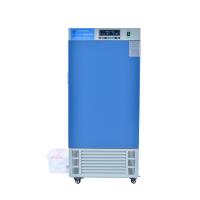
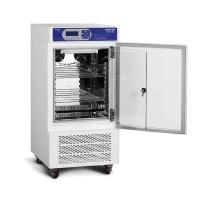
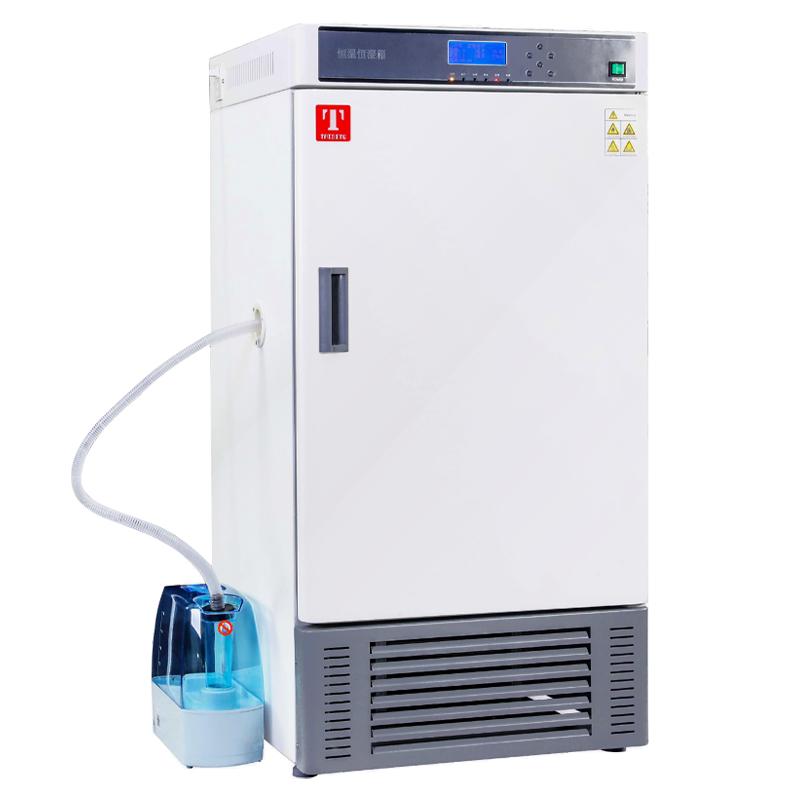
The constant temperature and Humidity Chamber simulates the marine environment in a closed laboratory. This is also known as an environmental chamber as it creates realistic working conditions in a controlled environment. The test procedure is very simple, the operator only needs to set the predefined temperature and relative humidity. The test samples are stored on the sample rack for a specified time according to industry requirements.
Due to the high humidity in the chamber, components that were not designed for high humidity started to exhibit erratic behavior. This involves high current leakage and reduced gain from components such as capacitors. The IC's pins may start to get short, which is why microprocessors and microcontrollers may not be able to provide the desired output. Sometimes components like LCD and LEDs start displaying errors. By turning on all the diodes inside, the LED may show 8 instead of the expected number. This all happens due to current leakage.
- 1Constant Temperature and Humidity Chamber
- 2Principle and Application of Constant Temperature and Humidity Chamber Biochemical Incubator
- 3Principle Characteristics and Application of New material Constant Temperature and Humidity Chamber
- 4The working principle of the three major systems of Humidity Chamber
- 5What are the Dehumidification modes in the Humidity Chamber?
- 6Application of Constant Temperature and Humidity Chamber in Lithium Battery
- 7Constant Temperature and Humidity Chamber FAQ and calibration method
- 8Application of Humidity Chamber in Food industry
- 9Printing circuit board humidity resistance test