Classification of Tensile Testing Machines
According to the degree of automation, it can be divided into...
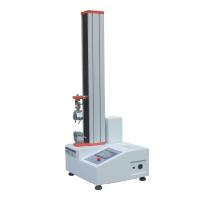
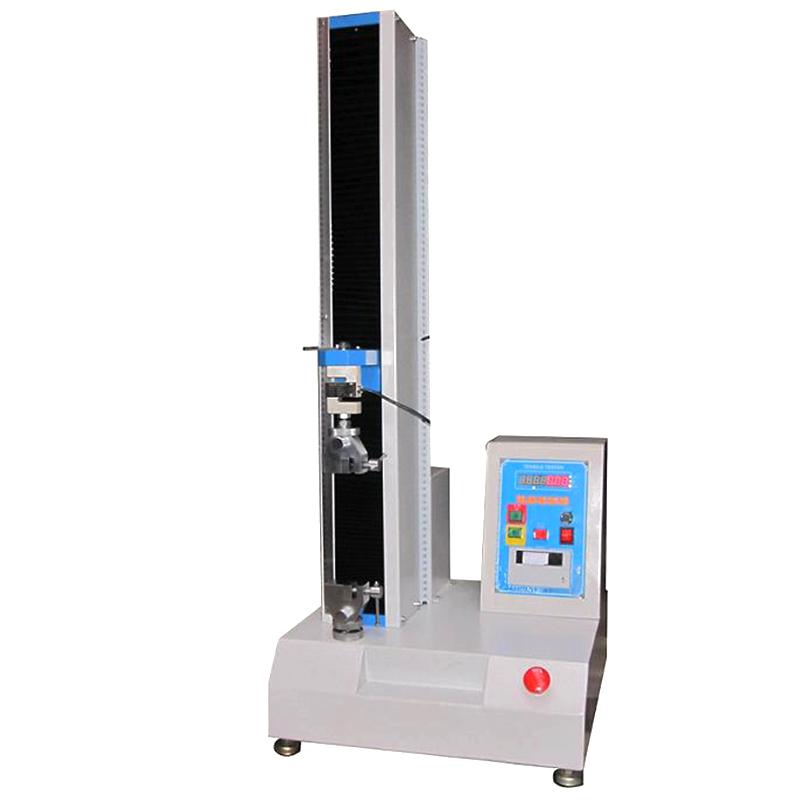
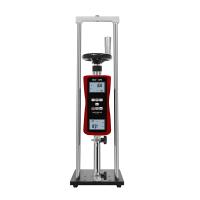
Pointer Tensile Testing Machine: This traditional Tensile Testing Machine has been largely eliminated by the digital Tensile Testing Machine due to its low test accuracy and low cost performance. But in the small force range, it is our common tensile strength meter, which is often used by factories for simple force testing of small products, and is very popular because of its low price.
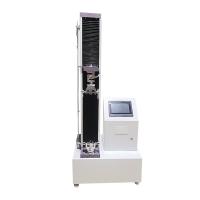
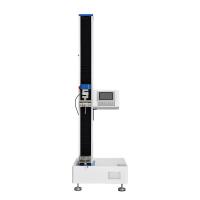
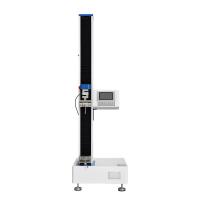
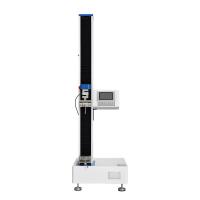
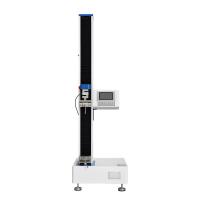
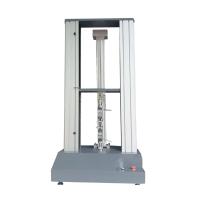
Digital display Tensile Testing Machine is also called microcomputer Tensile Testing Machine: the test data is directly displayed on the LCD screen, and the test items are relatively simple, which is often used in factory quality control.
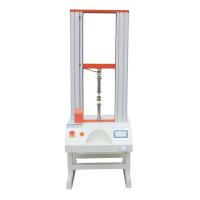
Computer system tensile Tester: a tensile Tester with a wide range of uses, the test data is collected by a computer, and then processed by a software program to generate the data required by the user and print it out in the form of a report. It is often used in scientific research units, testing institutions, new product development, etc.
According to the control system can be divided into...
Tensile testing machine with frequency conversion system: It adopts frequency conversion motor control system, and the speed of tension and compression is controlled by frequency conversion speed regulator.
Servo system Tensile Testing Machine: Servo motor control system is adopted, and the tension and compression speed and displacement control are more accurate. The servo control system adopts intelligent feedback operation, and can perform constant speed test, cycle test, programming test, etc.
Tensile testing machines with other drive methods: Controlled by DC motors, Tensile Testing Machines with drive methods have been gradually eliminated due to their low cost performance.
According to industry and functional characteristics, it can be divided into...
Metal Tensile Testing Machine: Metal materials with high tensile strength and low elongation need to be equipped with metal point extensometers.
Rubber Tensile Testing Machine: The elongation of rubber or elastic body is relatively large, and it needs to be equipped with a large punctuation elongation device. At the same time, the design of the fixture should consider the characteristics of rubber and not slip. It can be equipped with O-ring clamps, clamps for tire industry, etc.
Plastic Tensile Testing Machine: The tensile strength of plastic is greater than that of rubber, and the elongation varies, and three-point bending tests are often required.
Fabric tensile Tester: The textile industry needs to test fabric peeling, puncture, tearing, single yarn tensile and other tests, and the fixture and software are dedicated.
Paper Tensile Tester: Paper needs to be tested for tensile strength, ring strength, vertical compression, flat compression, edge compression, peel strength, etc., with many jigs.
Leather tensile Tester: leather needs to test tensile strength, tear strength, etc., and the test items are relatively simple.
-
![CHINA NBC-1024-2 Tensile Tester 5T]() CHINA NBC-1024-2 Tensile Tester 5T$ 6635.00
CHINA NBC-1024-2 Tensile Tester 5T$ 6635.00 -
![Lugong STX5000 Digital Display Single Arm Tensile Tester Microcomputer-controlled Electronic Universal Testing Machine 5000N]()
-
![Lugong STX2000 Digital Display Single Arm Tensile Tester Microcontrol Electronic Universal Testing Machine 2000N]()
-
![Lugong STX500 Digital Display Single Arm Tensile Tester Microcomputer-controlled Electronic Universal Testing Machine 500N]()
-
![Lugong STX200 Digital Display Single Arm Tensile Tester Microcontrol Electronic Universal Testing Machine]()
-
![Lugong STX100 Digital Display Single Arm Tensile Tester Microcomputer-controlled Electronic Universal Testing Machine]()
-
![SHUCHANG SC-LL-20KN Double column tensile machine, computer servo system Universal Testing Machine]()
-
![DUBAN UTTM7-DB25-207FM-100N Universal Tensile Tester Range +/- 98N]()
-
![DUBAN UTTM7-DB25-207FM-50N Tensile Tester Range +/- 49N]()


- 1Tensile machine application in various industries
- 2Technical analysis of key parameters of Tensile machine: Scientific selection from force measurement accuracy to Power system
- 3Tensile machine purchasing guide [dry version]
- 4Talking about the performance test of epoxy resin film coated on PET
- 5ASTM D5019 Single-layer roofing film reinforced CSM board (chlorosulfonated polyethylene (PE)) standard interpretation
- 6Common problems and solutions in tensile testing
- 7What is tensile strength testing and which products can be tested?
- 8Factors Affecting the Performance and Accuracy of Tensile Testing Machines
- 9How many driving methods are there for Tensile Testing Machines?
-
![Patek Jushi LY-7012C Tensile Tester 1000KG]()
-
![BaidaJUSHI LY-7012A Small Tensile Testing Machine 200KG]()
-
![CHINA NBC-1024-2 Tensile Tester 5T]() CHINA NBC-1024-2 Tensile Tester 5T$ 6635.00
CHINA NBC-1024-2 Tensile Tester 5T$ 6635.00 -
![CHINA NBC-6820 Ring type initial tacking machine Tensile Tester]()
-
![CHINA NBC-1023-1 Computerized Double Column Tensile Testing Machine]()
-
![CHINA NBC-1021 Touch screen single column Tensile Strength Tester 10KG]()