Analysis and measures of film defects caused by Color defects
 Causes and measures of coating film color defectsDue to the difference in the color of the coating film from the standard color plate, uneven color or lack of durability caused by early color changeshair of coating film defects, it includes the following drawbacks.
1. Color difference
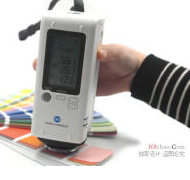
The hue, brightness, and saturation of the freshly coated film are different from those of the standard color plate; Different painting processes produce color differences in the assembly of different parts (e.g. plastic parts and metal bodies), or when they are repainted and painted. (P.S can be applied to Colorimeter measurements)
pathogen
1) There is a large color difference between the batches of the paint used.
2) When changing the color, the paint pipeline is not cleaned.
3) Drying specifications are inconsistent, especially in the case of drying.
4) The spot marks caused by the patch paint is not sprayed well, and the color matching accuracy is not enough in the case of repair paint coating.
prevention and cure
1) Strengthen the inspection of paint into the factory.
2) When changing the color, the paint pipeline must be cleaned.
3) The drying specification (drying time, temperature) should be strictly controlled within the process specification.
4) Strive not to make up or less paint, if you need to touch up the paint, the whole part (or the surface with a clear demarcation line) should be touched.
Repair method: the light color difference is reduced by polishing and waxing, and in the case of serious color difference, it should be polished with fine sandpaper and re-sprayed.
2. Mottling (color flower)
The color of the coating film is partially uneven, and there are markings, streaks and hue disorders. It is generally caused by improper coating, such as the production of stripe color difference called stripes, as well as the decomposition and deterioration of paint components.
pathogen
Pigments in paints are poorly dispersed or two or more pigments are not sufficiently mixed with each other. The solvency of the solvent used is insufficient or the application is carried outviscosityinadequacy(P.S can be measured using a Viscosity Cup)。
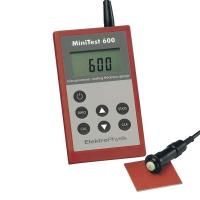
1) The thickness of the coating film is uneven, and the pigment in the coating film produces convection at the thick film (P.S can be measured by the coating Thickness Gauge).
2) Poor spraying technology. The spray amplitude overlap is not appropriate, the spray distance is too close, and the correct angle between the Spray Gun and the work surface is not maintained. This is the main reason for the color difference of spraying.
3) There is a source of gas (such as ammonia, sulfur dioxide, etc.) that can interact with the coating film near the coating site.
prophylaxis
1) Choose pigments with good dispersion and miscibility.
2) Select the appropriate solvent and use the coating viscosity and film thickness that meet the process requirements.
3) The same type of paint should be used when blending compound paint, and it is recommended to use the same type of paint produced by the same manufacturer.
4) Use good spraying techniques. At least overlap each spray width!" # (It is better to overlap the silver powder paint), and correctly overhaul and adjust the Spray Gun.
Remedy
1) If the film is still wet, spray a thin layer of topcoat to correct it. Or let the paint dry a little and apply another topcoat using the correct spraying technique.
2) Allow the film to dry completely, then wet grind and respray with the correct spraying technique.
3. Floayting and flooding
The particle size, shape, density, dispersion, cohesion and other differences of various colors in the coating make the pigment distribution on the surface and the lower layer of the coating film uneven, and the color tone of each section is different.
The term "floating" is used to describe the regular color variation on the surface of the paint film.
pathogen
Floating color and color blooming are closely related to the convection phenomenon in the process of coating film formation, so the unreasonable formulation of paint and paint making process are the main reasons for these two drawbacks.
1) When coating multi-color coatings containing more than two pigments, the solvent volatilizes differently on the inside and surface of the coating, which is prone to convection and produce floating color.
2) The density of pigments in paints varies greatly.
3) The coating method and equipment selection are not suitable.
prophylaxis
1) Improve the coating formula and paint making process (such as selecting pigments that are not easy to float and easy to disperse, improving the dispersion process of pigments, etc.).
2) Adding anti-floating agents, such as silicone oil, has a significant effect on preventing floating color.
3) Select appropriate coating methods and equipment. For example, reduce the thickness of each spray and increase the number of spraying.
Remedy
The same as the remedy for uneven color and color flowering.
4. Uneven metal glitter color (uneven silver powder) (aluminum motting)
When spraying the metal glitter color topcoat, due to the poor dispersion of aluminum powder, uneven distribution and uneven orientation, it leads to the phenomenon of uneven coating surface.
pathogen
1) Improper selection of spraying viscosity (too low or too high).
2) The coating is too thick or the paint film is uneven, the atomization is poor, and the spraying operation is not proficient.
3) When the "wet on wet" process is used for coating the base color and overprint varnish, the drying time in the middle is too short.
4) Low ambient temperature.
prevention and cure
1) Improve the coating formula and use the solvent specified by the paint factory.
2) Choose the right spraying viscosity.
3) Improve the proficiency of spraying operations.
4) Select the "wet to wet" process for the appropriate drying time, or increase the blowing!" # $"% hot air process.
5) Adjust the ambient temperature to a suitable range during spraying.
5. Discoloration
The phenomenon that the color of the coating film changes during use, and its hue, brightness, and saturation significantly deviate from the standard color plate (or primary color plate) is called color change.
pathogen
At present, the lightfastness of the pigments and paint bases used in automobile topcoats (combined repair topcoats) is very good, but if they are continuously exposed, the original color will change uniformly slightly, if the color change is greater than the slight degree, the possible reasons are:
1) Caused by sunlight, humidity, high temperature, corrosive gases (such as sulfur dioxide) in the air, etc. When the vehicle is exposed to the atmosphere with chemicals for a long time, the coating will be affected, and if there is any abnormal change in color, it should be inspected to find out the anomalies in the exposed environment.
2) Failure to comply with the prescribed formula color mixing.
3) Due to traffic debris, the surface has stains (yellowing).
4) The paint used has poor weather resistance or is not suitable for outdoor use. In the process of coating film aging, plasticizer precipitation, etc., organic pigments migrate through the paint film.
5) The automotive repair topcoat misused the internal curing agent that is easy to turn yellow.
prophylaxis
1) Use the right toning formula.
2) Wash your vehicle frequently and regularly.
3) Select automotive repair topcoats and curing agents with excellent weather resistance.
Remedy
1) First use coarse wax or polishing wax to try to polish one part, if the color can be restored, then polish and polish the entire affected part.
2) If the grinding and polishing is ineffective, remove the topcoat layer with wet grinding and respray.
Note: Coarse wax is usually effective in removing yellow marks caused by traffic debris.
Sixth, fade
When wiping the coated surface with wax and a cloth, there is a phenomenon that the coating color is adhered to on the cloth.
pathogen
It is mainly caused by the penetration of pigments (especially organic pigments) contained in the paint into the surface of the coating film.
prevention and cure
1) Improve the coating formula and choose the paint that does not fade.
2) Add a lacquer base or overfinish to the paint you choose.
7. Fading
During use, the color of the coating film becomes lighter (the chroma becomes smaller or the brightness becomes larger).
pathogen
1) The color is reduced by sunlight, chemicals, air pollution, etc.
2) The resin deteriorates due to heat and ultraviolet rays.
3) The selected paint (or the pigments contained in the paint) has poor weather resistance or is not suitable for outdoor use.
prevention and cure
1) Choose coatings with excellent weather resistance according to the use environment.
2) Choose a paint that does not fade.
8. Yellowing
The color of the coated film is yellow, or it is easy to turn yellow in the case of direct sunlight and high temperature and high humidity in the darkroom.
pathogen
1) The weather resistance and construction performance of the selected coatings are poor.
2) The drying temperature is too high, the drying time is too long, and the coating film turns yellow due to over-drying.
3) The influence of strong light, high temperature and high temperature use environment.
- 1Polyurethane-graphene composite prepative film
- 2The relationship between film with light, semi-light and no light and actual use
- 3Glossmeter for paints film gloss detection
- 4What is the difference between paint and paint?
- 5How can ultra-thin coating film ignore material fineness?
- 64 influencing factors of film precision control
南北潮商城 - 《www.nbchao.com》
- 7Film laminating FAQ and solution
- 8How-to video of preparing precise film layers with film rods
- 9Defect Analysis of Whitening Phenomenon in Coating Construction Process