How to solve the problem of film defects caused by poor Appearance?
Defects in poor appearance are defects in the appearance of the coating film, such as luster, freshness, fullness, and smoothness, which are different from the standard. It includes the following defects:
1. Orange peel and grapefruit peel
When sprayed, the coating film has wrinkles similar to orange peel and grapefruit. The unevenness of the wrinkles is about 3 microns.
pathogen
1) The viscosity of the coating is too high, the leveling is poor, and the diluent is not properly selected.
2) Poor spraying technology, spraying distance is too far or too close; The coating is sprayed too thick or too thin.
3) Low spraying air pressure, excessive paint output and poor spraying tools, resulting in poor atomization of paint.
4) The temperature of the coated object and the air is too high, the wind speed in the painting chamber is too large, and the thinner volatilizes too quickly.
5) The drying time is short.
prophylaxis
1) Select a suitable solvent, add leveling agent or a high boiling point organic solvent with slow volatilization to ensure the correct viscosity to improve the leveling of the coating.
2) Adjust the spraying air pressure and paint volume, spraying distance and gun speed. Choose a Spray Gun with good atomization performance to achieve good atomization.
3) Spray to the specified thickness at one time (it should be controlled to the limit of non-sagging), appropriately extend the drying time, and should not enter the high temperature drying too early.
4) The temperature of the coated object should be cooled to below 012, and the temperature in the spraying room should be maintained at about 312.
Remedy
1) In severe cases, smooth it with fine sandpaper and respray.
2. Loss of light
The loss of gloss during the use of the coating film is called the phenomenon of loss of gloss reflecting the deterioration of the clarity of the lens. Gloss defects are a precursor to poor weather resistance of coatings. In the atmospheric exposure test of the coating film, the loss rate is often used to express the advantages and disadvantages of its weather resistance.
pathogen
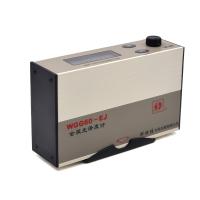
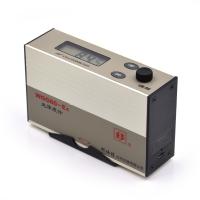
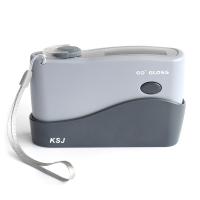
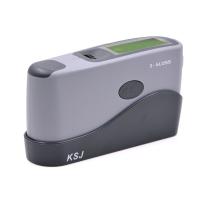
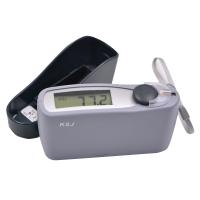
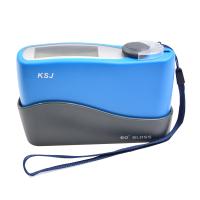
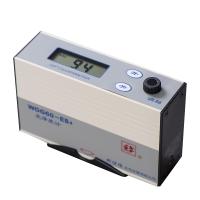
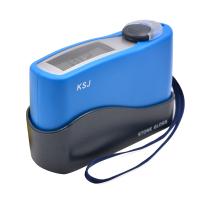
The gloss of the paint film (testing instrument: gloss meter) is related to the smoothness of its surface, and any loss of light is due to the unevenness of the surface, which makes the light too diffuse and loses the clarity of the reflected image.
1) Loss of light is the prelude to the gradual damage of the paint film when the coating film is exposed to the atmosphere, and the surface produces a chalk layer (white or light paint) and bright copper (dark blue or maroon paint). The onset of chalking, although not visible to the naked eye, is enough to make the surface uneven and tarnished. If you look closely at it with a magnifying glass, you can identify the chalking.
2) The prickly heat particles are small at the beginning, and they are difficult to detect with the naked eye, and the first step in recognition is that they are considered to be tarnished. When viewed with a magnifying glass, a very large number of very fine bubbles can be seen.
3) Early loss of light is related to the poor weather resistance of the selected coatings, or the mistaking of interior coatings for automotive refinish paints.
4) When using two-component automotive repair topcoats, the amount of curing agent is insufficient or the curing agent matched by the manufacturer is not used, or a diluent containing a large amount of water, alcohol or acid is used.
prophylaxis
1) Choose coatings with excellent weather resistance.
2) Paint in strict accordance with the paint construction conditions recommended by the paint factory.
Remedy
1) According to the degree of loss of light, use liquid polishing agent, polishing and waxing. If polishing and waxing do not restore the gloss, the paint surface should be carefully inspected for microcracks or fine prickly p
3. Blur (shadow)
Uneven gloss due to poor sanding during repair painting.
Fourth, poor gloss (paste), low gloss
Glossy (instrument: gloss meter) The coating does not reach the desired luster after drying, or the coating appears to be glossy and hazy shortly after application.
pathogen
1) Improper selection of thinner, such as the use of summer and thinner in winter, the miscibility of the resin is poor.
2) The coated surface is rough, and the absorption of the coated surface is large and uneven.
3) Poor coating, uncoated surface pollution, too thin coating film, too drying, etc.
4) Excessive atomization due to high spray air pressure and- or low viscosity.
5) The exhaust of the paint booth is poor or the air flow direction is improper, so that the spray falls back on the sprayed surface, or the paint is touched.
6) Insufficient ventilation during drying, air pollution in the low-temperature drying room.
7) The coating that can be polished is polished before it dries.
8) Paint dry in low temperature, high humidity and lack of ventilation.
prophylaxis
1) Use high-quality diluent correctly to improve the volatilization rate of diluent.
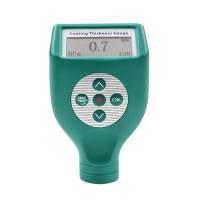
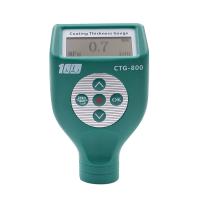
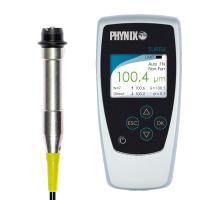
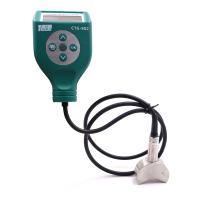
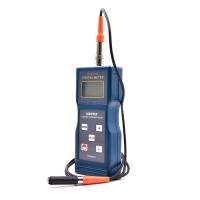
2) Effectively level and clean the coated surface before painting. Spraying thickness (instrument: paint Film Thickness Gauge) and coating film drying should be carried out according to the process.
3) Correctly master the spraying technology, and adjust the air pressure of the spray paint and the construction viscosity of the paint.
4) Make sure the exhaust of the paint booth is proper and warm and dry.
5) Apply the corresponding backing paint to eliminate the absorption or uneven absorption of the coated surface paint.
6) Pay attention to the spraying sequence. Ensure that the spray film thickness is uniform, and reduce the falling adhesion of spray paint mist.
7) The ventilation of the drying chamber should be appropriate to avoid the accumulation of dirty air in the drying chamber, and the correct fuel should be used if the drying chamber is directly heated with oil.
8) Polishing should be carried out after the coating film has dried.
Remedy
1) Let the coating film dry and solidify, and polish and polish to restore the luster.
2) If the paint mist falls back on the surface, let the paint film dry and solidify, polish it with ultra-fine sandpaper, and polish and wax.
3) If the bottom layer is contaminated or rough by the painted surface, the paint film should be removed, the affected surface should be cleaned or leveled and resprayed.
Fourth, the freshness is poor
Vividness is the clarity of the projection mirror on the surface of the paint film, which is dependent on the smoothness and gloss of the coating film, and is one of the decorative properties of the appearance of the coating film. Poor freshness is the poor decoration of the coating. Freshness can be visually compared, or measured with a special instrument and expressed numerically. For example, the freshness of the body coating of today's high-end cars is 0.8~1.0 (PGD value), which should be in the range of 0.6~0.7 a little lower, and the freshness of the body coating of economic cars, light buses and medium-sized trucks with high decorative requirements should be about 0.5. If the value is lower than the above-mentioned value, or if the freshness of the repaired coating is worse than that of the unrepaired surface, it is called poor freshness.
pathogen
1) The flatness of the surface of the coated object is poor, the surface is rough, the sandpaper is coarse or the grinding accuracy is not enough.
2) The leveling of the selected paint is poor, or its own gloss, fineness is not up to standard, and the freshness is poor.
3) The coating environment is poor, and the coating surface produces particles or insufficient gloss.
4) The atomization of the paint is poor during painting, and the orange peel on the painted surface is serious.
5) The thickness of the coating is insufficient, and the fullness is poor.
prophylaxis
1) Improve the processing accuracy of surface preparation and leveling and grinding process, so that the coated surface is smooth and smooth.
2) Choose coatings with good leveling, fineness and gloss.
3) To improve the painting environment, highly decorative painting should be carried out in a clean and dust-free paint booth and a dry place (drying room).
4) Choose a Spray Gun with good atomization performance, master the correct spraying technology and construction viscosity, so that the coating can achieve a very good atomization.
5) High-decorative coatings generally use multi-layer coating system to increase the thickness of the coating to improve the fullness and smoothness of the coating.
Remedy
If the freshness of the coating is still poor after grinding and polishing after drying, it is necessary to use a repair topcoat with better freshness to recoat it.
Fifth, fall on the paint mist, dry spray
During the spraying process, the paint mist splashes or falls on the painted surface or the coating film (into a virtual mist), which affects the gloss and appearance of the coating film. If it falls on the paint mist of different colors, it is called paint mist pollution. If the paint is dispersed in a dusty form to the coated surface, it is called dry spraying.
pathogen
1) The spraying operation is incorrect. The Spray Gun is too far away from the sprayed surface, not perpendicular to the painted surface, the Spray Gun moves too fast, the spraying air pressure is too high and the air volume is too large, etc.
2) The viscosity of the paint is not appropriate, and the diluent used volatilizes too quickly.
3) The distance between the painted parts is too close.
4) The airflow in the paint booth is disordered, the wind speed is too low (less than), and the temperature is too high to remove the paint mist scattered in the air.
5) The surface that does not need to be painted is not covered.
prophylaxis
1) Master the use of good spraying techniques.
2) Use a high-quality diluent, dilute to the correct viscosity, and add or use a slow-drying diluent in a dry and hot environment.
3) Sufficient spacing should be kept between the painted parts to prevent splashing. In the case of a car body, for example, the spacing should not be less than '(.
4) The airflow in the painting room should have a certain direction (generally from top to bottom); The wind speed in the case of manual painting should be within the range of ( ) (*).
5) The surface that does not need to be painted should be covered, especially in the case of spraying heterochromatic paint and repairing spraying.
Remedy
1) Let the primer dry and then remove it by grinding.
2) Topcoat: The dry spray coarse film of the final paint layer can be removed with fine sandpaper, and the luster can be reproduced by polishing. If it is a single layer of silver powder, it needs to be sanded and repainted.
6. Albinism and whitishness
During the coating process and just after spraying, the surface of the coating is milky white, and the painted surface is not only whitish, but also white and dull like a cloud, which is called whitening and whitishing. This phenomenon mostly occurs in the case of spraying volatile coatings in high humidity environments, and in severe cases, it completely loses light, and micropores appear on the coating and the performance decreases. This is due to the rapid evaporation of the solvent in the paint, which reduces the temperature of the coating surface, resulting in the condensation of moisture in the atmosphere on the paint surface, and penetrating into the coating film, causing the resin to precipitate and turn white.
pathogen
1) The air humidity in the spraying place is too high.
2) The quality of the diluent used is poor, the boiling point is low, and the ratio is improper.
3) The temperature of the spraying place is cold, especially when the temperature of the coated object is lower than the room temperature.
4) Poor air circulation in the painting room and lack of heating equipment.
prophylaxis
1) Properly heat the repair and coating workshop and painting booth, and raise the coating environment temperature (better 15~25 °C, relative humidity is not higher than 70%).
2) Use a good quality diluent. Use a thinner that evaporates more slowly.
3) Add moisture-proof agent to the diluent. Use small amounts, otherwise it will slow down the drying rate.
4) Make the temperature of the coated part higher than the ambient temperature (about 10°C) before painting.
5) Prevent moisture from being brought in through solvents and compressed air. Prevents resin from precipitating during film formation.
Remedy
1) Slightly whiten ——— wait for it to dry and solidify, and then polish it with polishing wax to remove its defects. Severe whitening ——— spray a slow-drying thinner or moisture barrier over the area.
2) In the case of extremely severe whitening——— there may be moisture remaining in the paint film, let it dry and solidify, wet grinding and then re-spray star-shaped unevenness.
3) The protection is not good in the process of storage, transportation and assembly, resulting in bumps and unevenness.
prevention and cure
1) Improve the accuracy of the mold, replace the manual sheet metal forming with the mold forming, and check the flatness and cleanliness of the steel plate surface.
2) Control the environment of the stamping workshop to prevent dirt such as sand particles from adhering to the die or steel plate.
3) Strengthen management to prevent bruises.
4) Use hot tin, file and trimming processes to eliminate the unevenness and spot welding pits on the surface of the gold parts, or reduce and eliminate spot welding pits with glue instead of welding.
5) After the electrophoresis primer is dried, carefully inspect and set up a sheet metal trimming process to eliminate it.
6) Scrape putty to fill (this is a negative method).

- 1Polyurethane-graphene composite prepative film
- 2Nondestructive measurement Coating thickness
- 3Principle, application and selection of traffic coatings Coating Thickness Gauge
- 4Principle, Application and Selection of Eddy current Coating Thickness Gauge
- 5Principle, Application and Type Selection of Electronic Coating Thickness Gauge
- 6Explore the principle, application and selection of phosphating layer Coating Thickness Gauge
- 7Principle, Application and Type Selection Analysis of Chrome Coating Thickness Gauge
- 8Principle, Application and Selection of Coating Thickness Gauge for inner wall of small pipe
- 9Basic principle and application scenario of steel Coating Thickness Gauge