Five benefits of using a constant temperature and humidity Test Chamber in the textile industry
When manufacturing textiles, manufacturers need to check the level of humidity a product can withstand before it gets damaged. The proper level of humidity present in the product can eliminate the risk of product deformation. If you work in the textile industry, it is important to test for the moisture present in the fabrics from which it is manufactured.
The presence of humidity can affect product quality, especially in the case of fabrics and other textile materials. Therefore, it is very important for textile manufacturers to perform moisture testing on materials to ensure that good products are easily delivered to customers.
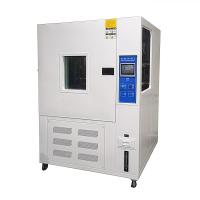
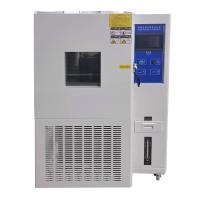
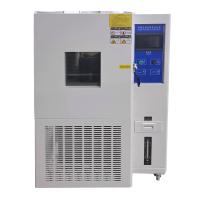
A constant temperature and Humidity Chamber will help maintain accurate humidity and temperature levels and ensure accurate product delivery. Its use is not limited to one industry. Manufacturers in different industries can easily calculate the physical properties of materials at relative humidity.
Advantages of using constant temperature and humidity Test Chambers in the textile industry
There are many benefits to using a constant temperature and Humidity Chamber in the textile industry. The constant temperature and humidity Test Chamber is especially useful for fabrics that are fragile or have low moisture resistance. This is because the constant temperature and humidity Test Chamber can help increase the moisture resistance of the fabric.
One of the benefits of using Humidity Chambers in the textile industry is the ability to control the level of humidity present in the fabric.
For brittle fabrics, testing the level of humidity present will help manufacturers prevent textile fabrics from tangling.
A constant temperature and Humidity Chamber will allow manufacturers to test the effect of relative humidity on materials. This will ultimately help in improving the product quality of the delivered product.
By regulating the moisture level of your textiles, you can help increase productivity and reduce the time it takes to dry certain types of fabrics. With a constant temperature and Humidity Chamber , you can easily control the temperature and humidity level of your machine and ensure maximum thermal efficiency through insulation.
By controlling the humidity level in the air, textile producers can achieve desired results without using excessive amounts of water. This is especially beneficial .




- 1GB/T 10586-2006 Detailed explanation: Core technical indicators and acceptance specifications for damp heat Test Chamber
- 2Humidity chamber core components dismantling: how to select compressors/Sensors
- 3Inaccurate lab data? 90% of people ignore Test Chamber calibrating issues
- 4Chip high-low temperature heat and humidity performance test
- 5Application of Humidity Chamber in building materials and flooring industry
- 6Principle, application and selection of programmable Humidity Chamber for die casting
- 7Humidity Humidity Chamber principle, application and selection
- 8Principle, application and selection of field effect transistor programmable Humidity Chamber
- 9Principle, application and selection of luggage Humidity Chamber
