Solutions to film defects caused by coating cracks and cracks
1. Irregular cracks
During the painting process or just after painting, the phenomenon of cracks on the paint surface is called cracking and cracking. Irregularities like broken glass are called irregular cracks.
2. Gas crack
During the drying process of the coating, the wrinkles and shallow cracks on the coating surface affected by the acid atmosphere are called gas cracks.
Etiology
1) The paint layer on the surface to be repaired has been hardened for a long time or baked at a high temperature, resulting in different solubility, and it is bitten when the topcoat is repainted.
2) Sandwich the synthetic resin paint between two layers of nitro spray paint. For example, a synthetic resin intermediate coat is applied on the nitro putty layer, and then a nitro topcoat is sprayed on it.
3) In the case of spraying synthetic baking varnish, the second coat of synthetic baking varnish is sprayed if the first coat of paint is delayed for too long (it has begun to dry) or is not dried according to the specification (that is, the paint is not fully cured).
4) In repairing occasions, if the nitro topcoat is sprayed too thickly (100 microns), it will crack due to drastic temperature changes.
5) When spraying acrylic paint, the temperature difference between the vehicle and the painting site is too large.
6) The air in the coating drying place (or drying room) contains acid gases (such as sulfur dioxide, carbon dioxide, carbon monoxide, etc.), and the coating used has poor pollution resistance. In the drying occasions where the flue gas of gas and fuel oil is directly heated, it is easy to produce the disadvantage of "gas crack" paint film.
Note: a. Spraying a hard and brittle spray paint on a soft and elastic base layer may form a kind of crack that can be called "crocodile skin".
b. Examples of cracking due to poor temperature resistance after spraying thick nitro topcoat: For example, the quality of the original nitro topcoat layer on a car overhauled is in good condition. up to more than 100 microns. Coinciding with severe winter, three or nine days left the factory for a test run. The sharp temperature change causes large glass cracks on the surface of the vehicle, which are completely incomplete, and the depth reaches the bottom coat. The topcoat layer is controlled to be thinner, and after heat treatment, the temperature denaturation resistance of the topcoat layer is greatly improved.
prevention
1) Before painting, the old paint layer needs to be well ground.
2) Before respraying, make sure that the temperature of the car body is raised to the same temperature as the current spray booth.
3) Avoid thick layer spraying.
4) Never sandwich synthetic paints between two coats of nitro spray paint.
5) During the drying period of the paint, do not spray another layer of paint.
6) Find out the cause, eliminate the acid gas in the dry place or reduce its concentration.
remedy
1) In the case of severe cracks, after the paint film is dry, polish to the depth of the cracks or shovel to expose the bottom village, and then spray again.
2) Small cracks in the finish coat, especially acrylic paint, can usually be corrected by sanding with fine sandpaper and polishing.
3. Cracks and crocodile skin cracks
As a result of aging, partial cracking of the coating film occurs. According to the shape of the crack (size, depth, width), it can be divided into several types such as hair-like cracks, shallow cracks, tortoise cracks, and alligator cracks. Modern automotive coatings are extremely strong and durable enough to withstand climate conditions around the world. However, sudden and serious temperature changes can still cause pressure on the paint layer, resulting in embrittlement or shallow cracks on the surface of the coating. Clear varnish layers are more susceptible to cracking. Cracking often occurs with age and weather erosion, especially in climates with high humidity and strong sunlight. Cracks that only occur on the surface of the top coating film and are distributed in the shape of skin lines are called brittle cracks and shallow cracks; cracks that are caused by the extension of defects under the top coat and that crack through at least one layer of the coating film are called cracks and tortoises. crack. Cracking is a common defect in plastic coating, and the elongation of the paint is not suitable for the thermal expansion of the plastic itself. Sometimes the softness of the paint is not enough to cause cracks during collisions.
Etiology
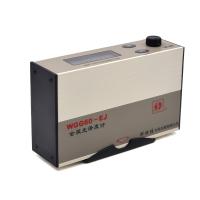
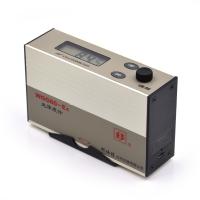
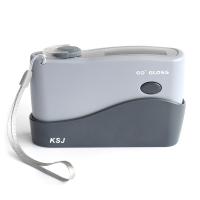
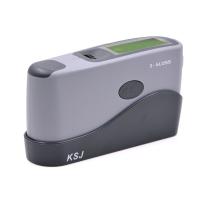
1) Excessive varnish is added to the natural color finish or the top varnish layer is too thin. In order to increase the gloss of the topcoat layer (relevant instrument: gloss meter) and drying speed, additives not specified are mixed.
2) Spray repair paint on the cracked and undetected old paint surface.
3) The topcoat or overall coating is too thick. In normal use, the thicker the topcoat layer (especially self-drying spray paint), the poorer the cold resistance (or temperature change resistance), and the easier it is to crack.
4) The top coat is applied before the base coat is completely dry, or the coating is improperly matched, and the base coat is softer than the top coat.
5) The weather resistance of the topcoat used is poor, and the coating is aging.
6) In the case of repair coating, cracking of the topcoat layer is caused by cracking of the putty layer.
prevention
1) Don't mess with additives.
2) Do not add too much varnish to the base paint. The film thickness of the finish varnish layer on the paint must be moderate.
3) Avoid too thick coating. The following thicknesses are used as a reference: the film thickness of the top coat shall not exceed 76 microns, the total film thickness of the coating shall not exceed 152 microns, and the total film thickness of the original paint and refinish paint shall not exceed 304 microns.
4) Choose a topcoat with excellent weather resistance and temperature change resistance, and the hardness and elasticity of the primer and topcoat should be close to each other.
5) Avoid exposing newly repaired and painted vehicles to severe cold prematurely as much as possible.
remedy
1) In light occasions, use sandpaper to effectively polish until there are no cracks, and then re-spray. Clean with extreme care and inspect the surface to ensure that all traces of cracks have been removed.
2) In severe cases, the cracked paint layer can only be sanded or removed until the substrate is re-sprayed.





- 1Polyurethane-graphene composite prepative film
- 2Overview of resistant coatings
- 3Characteristics and construction points of corrosion resistant Coatings
- 4Application of corrosion resistant coatings on reinforced concrete surfaces
- 5Technological development and application of heavy anticorrosive coatings
- 6Application and performance analysis of silicon diffusion coatings
- 7Research and application of chromium diffusion coatings
- 8High temperature oxidation and corrosion resistance performance and application of aluminum diffusion coatings
- 9Zinc diffusion coating performance process and application