Haze meter calibration
Turbidity or Haze
Scattering of light by surface defects". So, as the mentioned standard says, this can lead to blurred vision or image propagation through the material beyond its practical limits.
Haze measurements provide information about the amount of light scattered as it passes through a transparent sample. Therefore, if the surface of the material has many irregularities, the haze value will be higher and objects seen through the material may appear less clear and distorted.
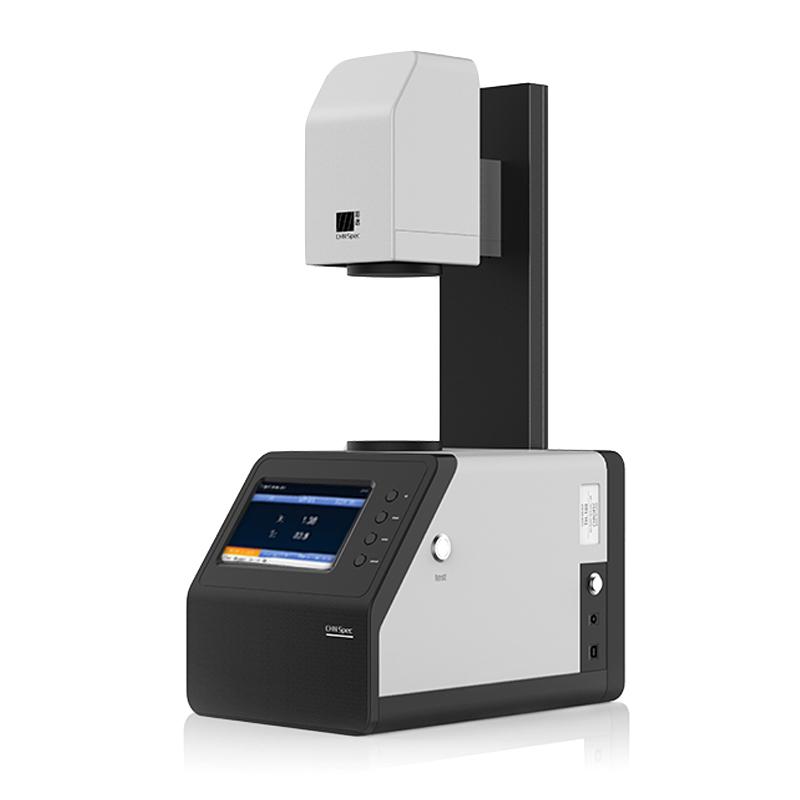
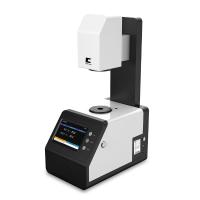
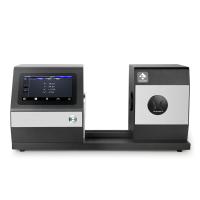
haze meter
A haze meter is a device for objectively measuring the turbidity of surfaces and materials.
When measuring the optical properties of transparent materials, both transmitted and transmitted beams need to be considered. Thus, transmission refers to the amount of light that passes through a material and is affected by absorption and reflection. As such, the transmitted beam measures the light scattering properties of the material.
There are regulations that apply to the measurement of haze or turbidity with a haze meter. This is the case for standard ASTM D1003 (Method A). The standard states that while turbidity measurements are usually made with a haze meter, an integrating sphere Spectrophotometer may also be used, provided it meets the geometric and spectral requirements of the standard. Therefore, this standard includes two procedures, one for measurements using a haze meter (Method A) and the other for measurements using a Spectrophotometer (Method B).