What percentage of opacity must a garbage bag have?
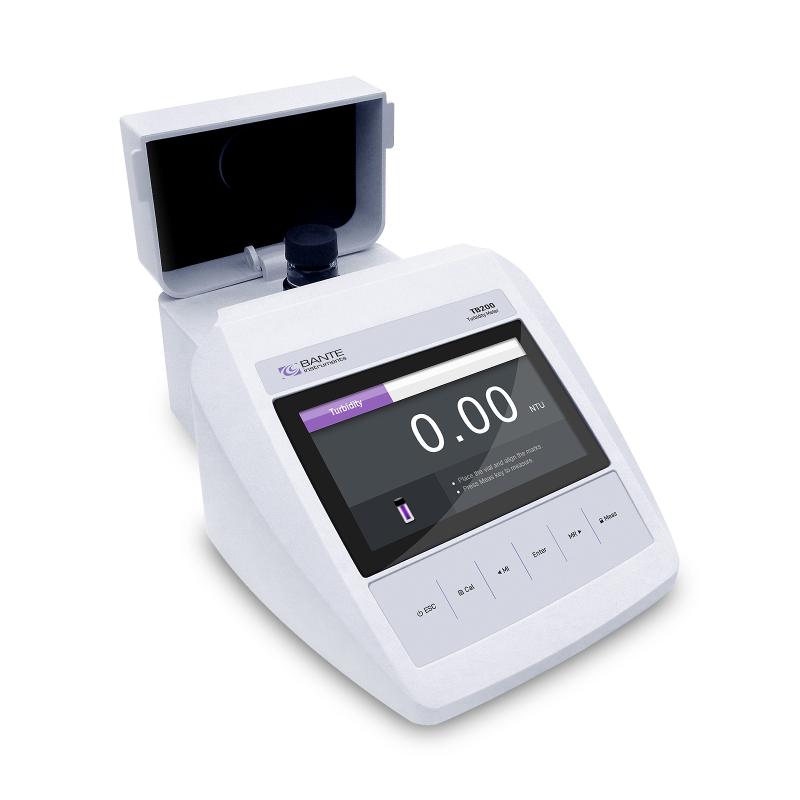
The opacity of plastic and sacks used to collect household waste is regulated by the standard, as well as the test methods that laboratories need to conduct to verify that the product complies.
Specifically, we refer to UNE-EN 13592:2003+A1 'Plastic bags for household waste collection. Types, requirements and test methods'.
The standard is responsible for specifying all the general characteristics and requirements that household waste bags need to have, which include, in addition to the aforementioned opacity, minimum useful size, thickness, leak and impact resistance, and strength of the closure.
So, for example, in terms of opacity, in the ordinary garbage bags we use in our homes and offices, it should be greater than or equal to 60% according to the measurement method indicated in the standard.
opacity test
All laboratory tests proposed by the standard require control over the manner in which samples are taken, as well as the environmental conditions in the laboratory where the analysis is performed and the test methods used.
Therefore, opacity testing needs to be performed in a specialized laboratory with calibrated equipment and expert personnel.
Regarding the equipment, the standard states that the measuring equipment essentially needs to consist of a matte black fabric base plate housing a photovoltaic cell and a light source with a spectrum as close as possible to white light.
Using this equipment, the laboratory's expert personnel will measure the required samples according to the test procedures determined by the standard.
Transmittance
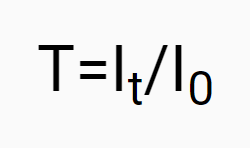
When light hits a surface, it is transmitted, absorbed or reflected. When light passes through an object, we speak of transmission.
We know that bodies can be transparent, translucent or opaque. The latter do not allow light to pass through, nor to see other objects behind them.
The transmission coefficient is expressed by the following formula:
- 1Hiding power/transparency measurement
- 2How to detect the opacity of rigid plastics?
- 3Opacity calibration
- 4What is the opacity of paper?
- 5What properties should letterpress printing paper be tested for? What are the specific requirements?
- 6Properties of organic coatings
- 7Gloss meter measurement meaning and working principle
- 8Leneta Transparency Chart Introduction Overseas Translation