Definition and Applicable Criteria for Dry Film Thickness
The dry film thickness of the coating film is generally referred to as DFT. The film thickness emphasized in the matching design generally refers to the overall thickness of the coating matching, which is used as the standard for coating quality inspection. When it is necessary to judge certain characteristics of the coating and have a suitable measurement method, the film thickness of each layer of coating can be measured separately.
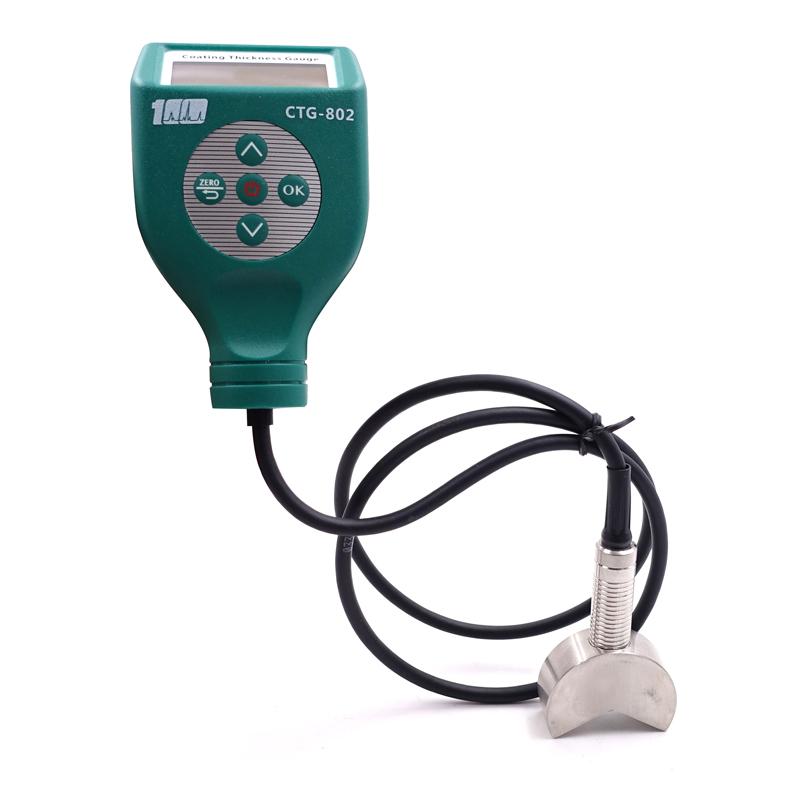
In the process of measuring film thickness, different tools, measurement methods, allowable errors, substrate surface roughness, etc. will affect the measurement results. The method of measuring film thickness shall comply with ISO 2808 "Determination of Film Thickness of Paints and Varnishes". The measurement process (including selection of instruments, reference standards, tolerances selected to compensate for surface roughness effects, etc.) shall be proposed and agreed upon by all parties involved in film thickness measurement.
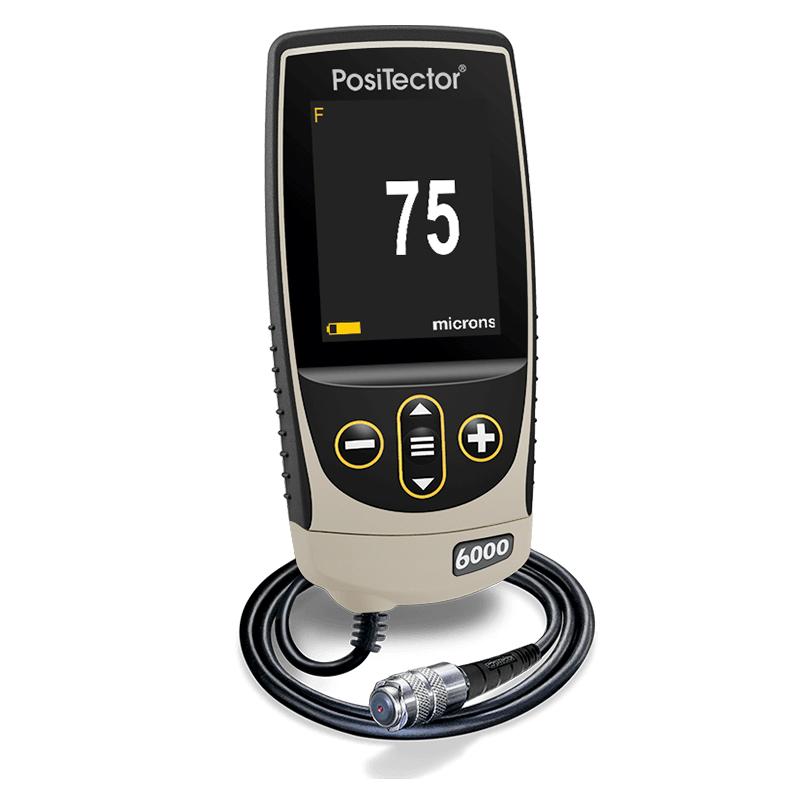
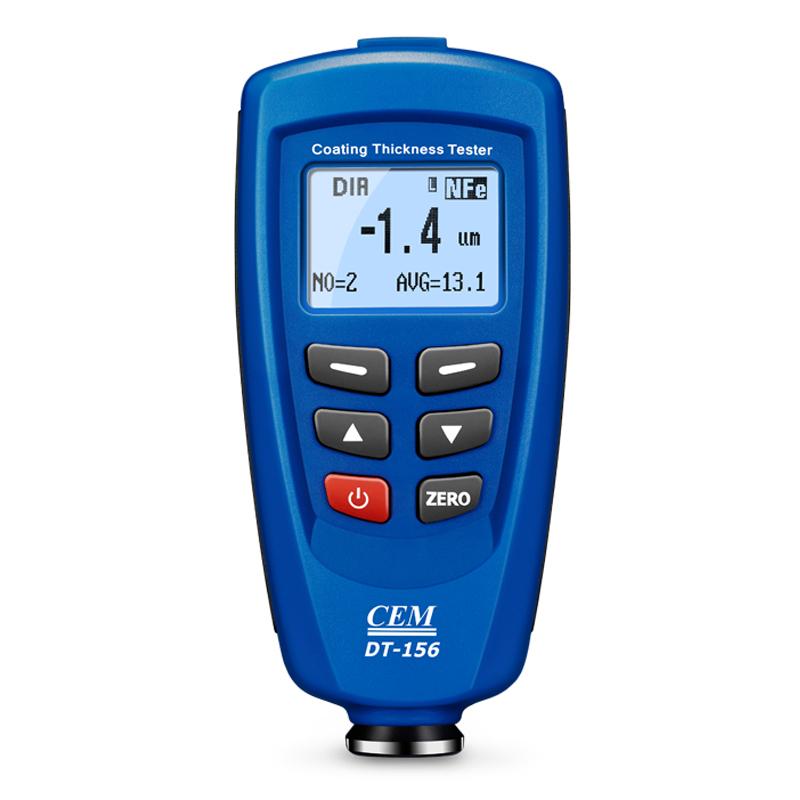
If there is no special requirement, the measured film thickness shall not be less than 80% of the designed film thickness. In the case where the measured average film thickness is greater than or equal to the design film thickness, the measured value is acceptable between 80% and 100% of the design film thickness. However, the thickness of the coating film should not be too thick, otherwise paint defects such as cracking will easily occur. The film thickness is generally not more than 3 times the design film thickness. The upper limit of the coating thickness is stipulated in the product manual or coating kit provided by the coating manufacturer. In order to save construction cost and obtain better spraying effect, it is recommended to use airless spraying. If applied by blending, brushing or air spray, thinner films will be obtained than when applied by airless spray. In order to obtain the same film thickness, more paint needs to be used, which is not conducive to controlling construction costs.

- 1Application, Principle Introduction and Precautions for Selection of Pipeline Thickness Gauges
- 2Principle, Characteristics and Application of FISCHER Coating Thickness Gauge
- 3Application of Film Thickness Gauge in automobile paint thickness measurement
- 4Paint layer Thickness Gauge unknown selection skills
- 5Selection points that cannot be ignored for coating Thickness Gauges
- 6What should I do if there is a negative number when the customer reports the Thickness Gauge measurement?
- 7Frequently Asked Questions for Thickness Gauges in 2022
- 8Characteristics of Solvent-Based Acrylic Coatings
- 9What is Non-Destructive Testing (NDT)?