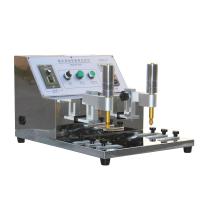
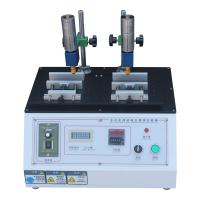
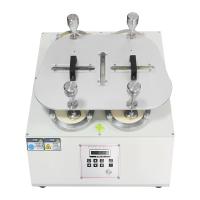
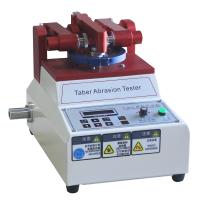
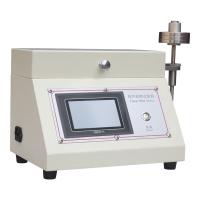
DIN wear testing machine for rubber wear testing
Wear is the main factor that destroys the quality of ceramics, rubber, metals, coatings and other materials. The wear of materials can be tested with the help of a test procedure, the Rubber Abrasion Resistance Test. The test method helps the user correlate the original material and judge the actual life of the material. This test is mainly used to compare materials and their coatings to judge the life of materials. This test is basically used to measure the electrical resistance of solid materials such as ceramics, metals, composites, thick coatings, and many more.
This test is used to measure the abrasion resistance of a product in a certain environment. The importance of wear testing helps in assessing the grade of a material after it has been provided in an abrasive environment. Determine the percentage of content missing and compare to the original material. This comparison helps gauge the value of the material and the actual lifespan of the product when subjected to continuous abrasive environments.
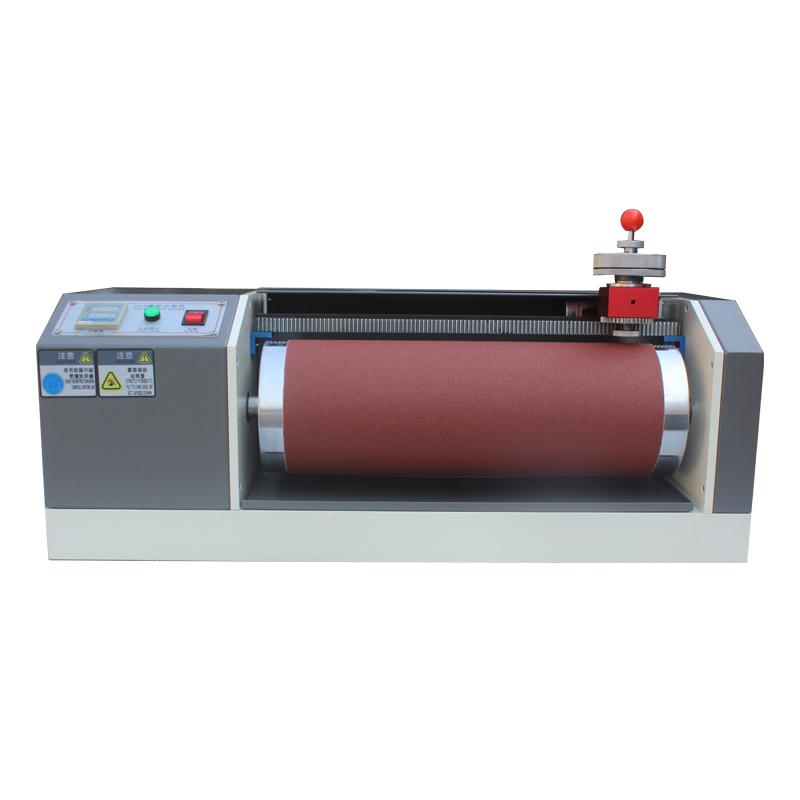
DIN wear test
The DIN Abrasion Tester is a machine that measures the abrasion resistance of rubber, including thermoplastic elastomers and vulcanized thermoset rubbers.
The abrasion resistance of different types of rubber is measured to quantify how resistant they are in actual use. There are several test methods used to simulate long-term wear, including the DIN (German Institute for Standardization) wear test.
One method used to quantify the abrasion resistance of rubber is the DIN abrasion test. Samples used in this test include tires, shoe soles, or any rubber material that is subjected to significant stress in actual use.
The DIN abrasion test can also be used to evaluate the abrasion resistance of rubber materials used in the manufacture of rubber floor coverings and hoses.
DIN Testers are used to ensure that only good and durable materials are used in the manufacture of products that use rubber as components.
The DIN abrasion test is done by moving a piece of rubber to an abrasive or sheet (also known as a drum abrasive) mounted on a spinning drum. The amount of material scraped off during wear is expressed as a volume loss in cubic millimeters or as a drag index in percent.
If the test results in a large loss of volume, it indicates that the material is of low quality and durability. Conversely, if the resistivity index is high, the material being tested has a high level of durability.
However, like other material quality assurance tests, the DIN rubber abrasion test does not provide information on its actual performance in real service. At best, tests can only give close estimates.
The DIN rubber abrasion testing technique can be accomplished in just a few steps. Prepare a sample for testing, the recommended length is about 16mm. Check the initial weight of the sample.
Place the sample in the sample holder of the Tester. Now, turn on the power. You will see the sample move continuously from left to right via the rocker switch which rubs the sample against the rotating drum.
After the test cycle is complete, the samples are removed and weighed again. The difference between the initial and final numbers represents the volume loss achieved by testing.
- 1Introduction to common wear resistance test methods
- 2Principle, Application and Selection of Adhesive Tape Wear testing machine
- 3Briefly introduce the working principle, application and selection precautions of rubber Wear testing machine
- 4Basic Principle and Application Analysis of Asphalt Wear testing machine
- 5Basic Principle and Application of Lubricating Oil Wear Resistance Tester
- 6Working principle and application of UV coating Cupping testing device
- 7Application of shakeout Tester in organic polymer film abrasion resistance testing
- 8Application of shakeout Tester in aluminum surface coating abrasion resistance testing
- 9Paint film abrasion resistance and test method thereof