What is pipe coating?
Pipe coatings are a cost-effective and viable solution to maintaining pipeline integrity. This coating provides a constant protective lining that helps protect the pipeline from the damaging effects of corrosion. Pipe coating is one of the reliable corrosion protection methods used in industry today.
Pipeline coatings are commonly used to counteract the negative impact of corrosion on pipeline operations, capacity and cost.
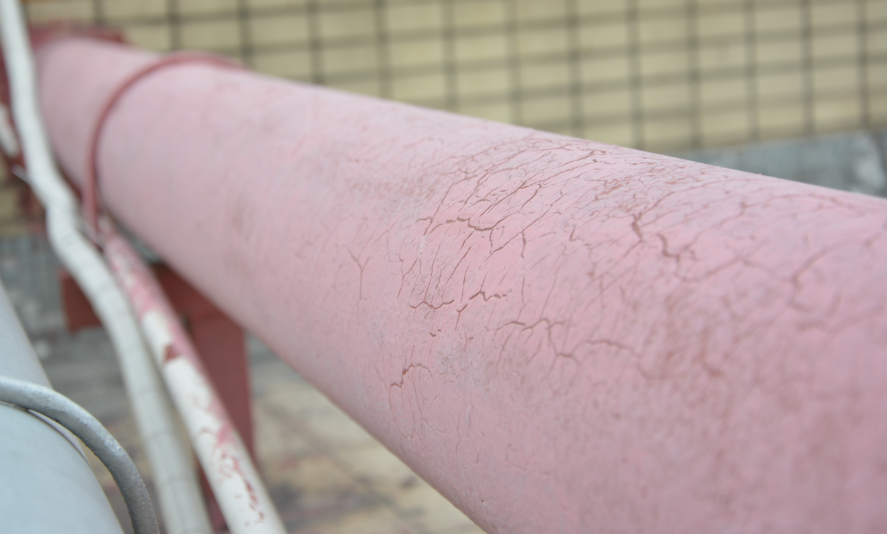
Uncoated pipes submerged in seawater are prone to corrosion. Although corrosion debris from these pipes can be removed, the disposal of this debris can be harmful to the environment. As a result, strict regulations are enforced, including the practice of applying pipe coatings. This prevents corrosion from forming or reforming. Pipeline coating application is considered a standard practice with the following advantages:
Improved Gas Flow - A smoother surface improves flow. Various studies have shown that the flow rate of coated pipes is far superior to that of uncoated pipes.
Faster inspection and commissioning - Coated pipe dries faster than uncoated pipe. This means that commissioning on the production line can be faster and easier. Enhancing equipment mobility through coated pipes also simplifies any type of robotic inspection.
Reduced energy costs - especially in compressor and pump stations. Internally coated pipe can make a huge difference in reducing compression and pumping costs over the life of the pipe. This could add to financial returns over three to five years, which means significant savings.
In addition to these benefits, pipeline coatings can reduce the need for inhibitors and facilitate clean delivery of products. Therefore, this can be used as a cost-effective and low-maintenance option for corrosion control, providing adequate and reliable protection.