How to test the different properties of rubber?
Before rubber is selected, its properties are fully tested. The manufacturer is very aware of the specifications he is looking for in raw materials. Before raw materials are cycled through the production cycle, quality checks are carried out to ensure the soundness of purchased materials. Samples are Testers with different characteristics, depending on the application. For example, if the eraser is hard and inflexible. On the other hand, the hockey puck also needs to be stiff and inflexible, and the grip of the scooter handle needs to be soft and flexible. Therefore, the composition of rubber varies and it is the responsibility of suppliers and manufacturers to meet the requirements of quality management at the first step.
Let's look at some tests that tell about the main properties of rubber.
Tensile Strength
Tensile Testers – Tensile strength evaluation is important for testing in almost all industries. But in the rubber industry, it's twisted. Depending on the requirements, the treatment is first carried out under different climatic conditions. The effect of these climatic conditions on the tensile properties of the samples will be evaluated. According to the test standard, cut dumbbell-shaped samples using a die-cutting die. Depending on expected conditions, it will be kept in a hot Air Oven or a deep freezer.
In some cases it is tested without any environmental handling. An outward force is applied to the sample to check at which point it breaks without any slippage. In some cases, verification tests can also be performed.
Abrasion test
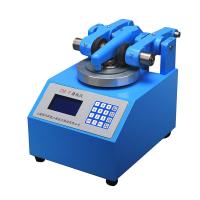
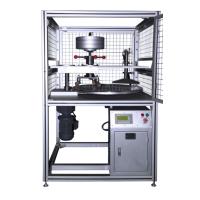
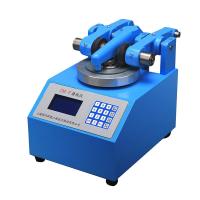
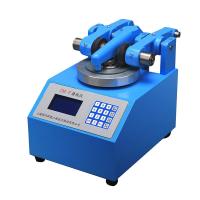
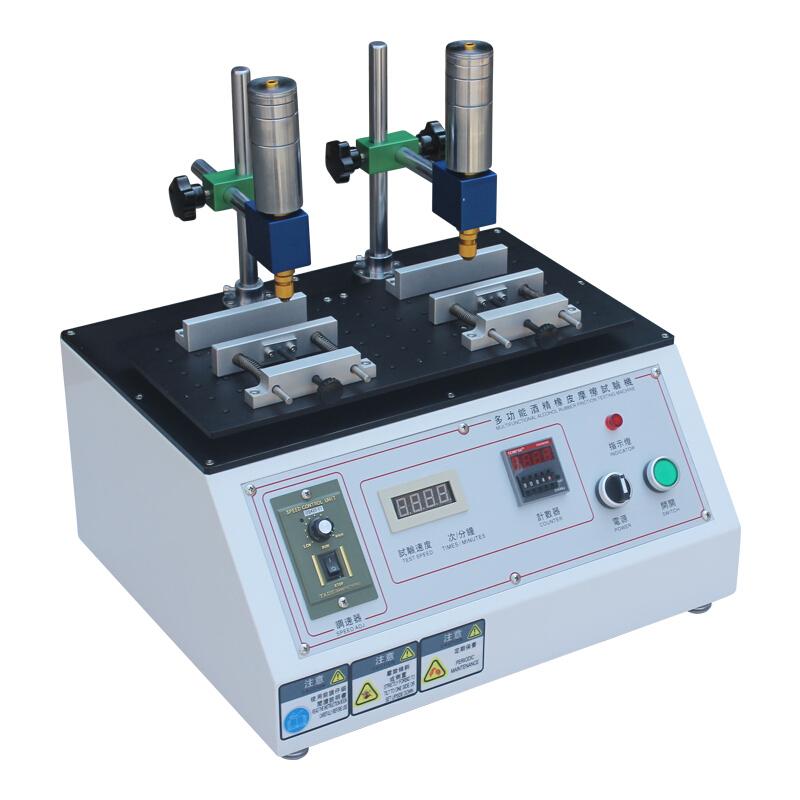
Abrasion Tester – Rubber components are prone to wear due to friction caused by other materials. A broken rubber O-ring in a bathroom fitting is a common example. Due to overuse and external pressure, the ring gradually loses some parts, causing it to break.
Ash content detection
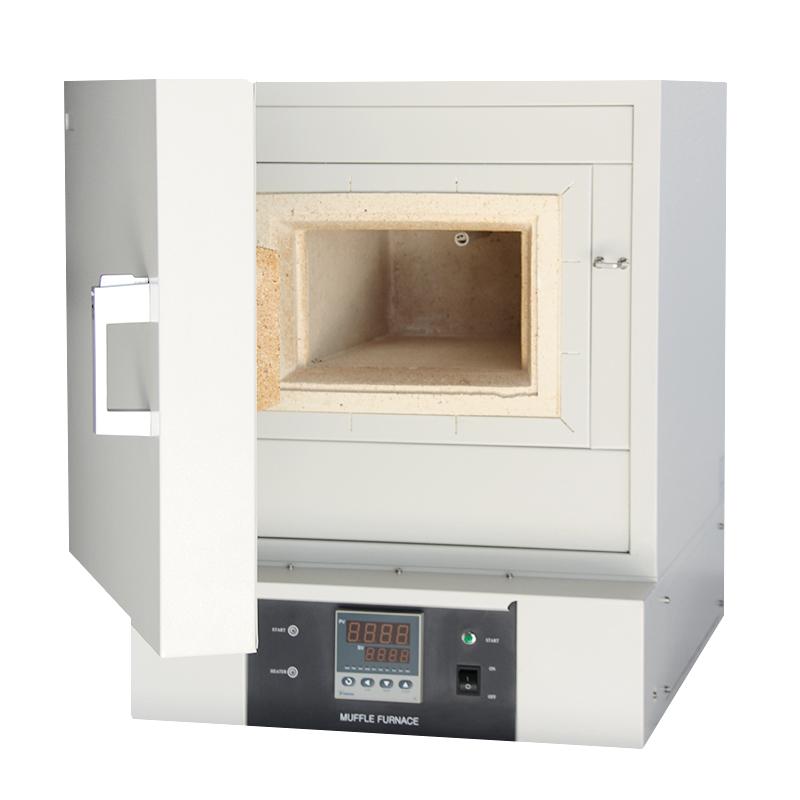
Muffle Furnace – It is very important to determine the percentage of ash content on a rubber sample. The processed rubber contains a predetermined amount of ash. Any variation in quantity will result in undefined behavior of the product under actual operating conditions. Samples are completely incinerated before being incorporated into the production cycle. The carbon content becomes smoke and what remains is the ash content, calculated to determine the percentage relative to the sample weight. Now, something that sounds so simple is actually a complex task.
First, it is difficult to reach the temperature at which the rubber sample burns completely. Any human error in calculating the weight of remaining ash can lead to false observations. Muffle furnaces are specially designed for this job. Its temperature control is ≤900°C. It comes with a crucible bowl to burn the sample and the ash is weighed together with the bowl.
Hardness Testing
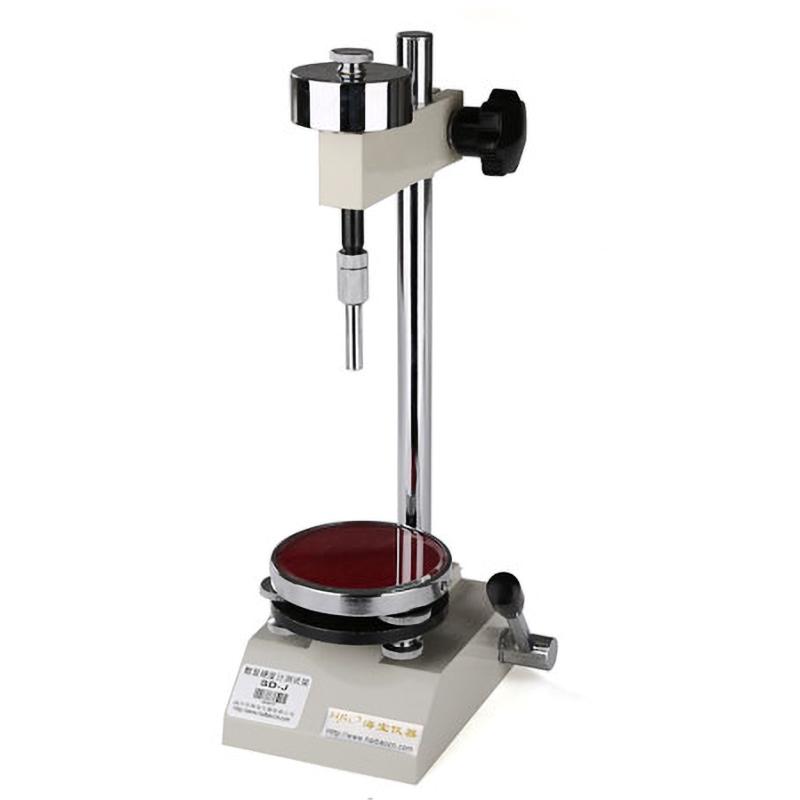
Durometer – As the name suggests, it tells how hard the elastomer is. How hard can it be determined by the indentation depth of a standard size and shape impact gauge?
Hardness can be obtained by comparing the applied force with the initial and final forces. Rubber hardness is calculated on Shore A. We refer to a durometer as a Shore A device. It is a simple device that is inserted into a sample and observations are displayed on a screen in a human-readable format. Compressibility and Recovery Tester – Rubber tends to be compressed when a force is applied and regains its position when the force is released. Sometimes the rubber deflects a little due to the force. In this test, a sample is subjected to a certain load for a period of time, such as hours or days. After the test is complete, the deflection is measured. In some applications, it is important to understand the behavior when a load is applied. A very common application is gaskets for pressure cookers, where the rubber bears both force and heat. If the gasket is deformed, it will cause steam leakage.
- 1Principle and application of muffle furnace
- 2Introduction of working principle and application of muffle furnace
- 3Working principle and application analysis of muffle furnace
- 4Application of muffle furnace in Determination of Tobacco Ash
- 5How does a muffle furnace analyze the ash content in food?
- 6How does muffle furnace affect rubber properties?
- 7Determination of Ash and Pigment Base Ratio in Electrophoretic Coatings
- 84 factors to consider when choosing a furnace
- 9What are the applications of Shore Hardness Tester?
-
![MODERNER JM-V abrasion instrument (film configuration) is suitable for wear performance testing of Coating, paper, plastic, Spinning & weaving products]()
-
![MODERNER CCT-2 Floor Cover Abrasion Resistant Caster Tester φ 800mm]()
-
![MODERNER JM-V abrasion machine for wood and film dual-use]()
-
![Farrell 5750 linear abrasIon Meter to evaluate wear resistance and scratch resistance]()
-
![FARI FR-1907 TABER Abrasion Tester]() FARI FR-1907 TABER Abrasion Tester$ 1559.00
FARI FR-1907 TABER Abrasion Tester$ 1559.00 -
![MODERNER JM-V abrasion instrument (wood configuration) load 250g]()