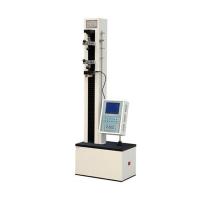
How to measure the tensile strength of cables and wires?
experiment procedure
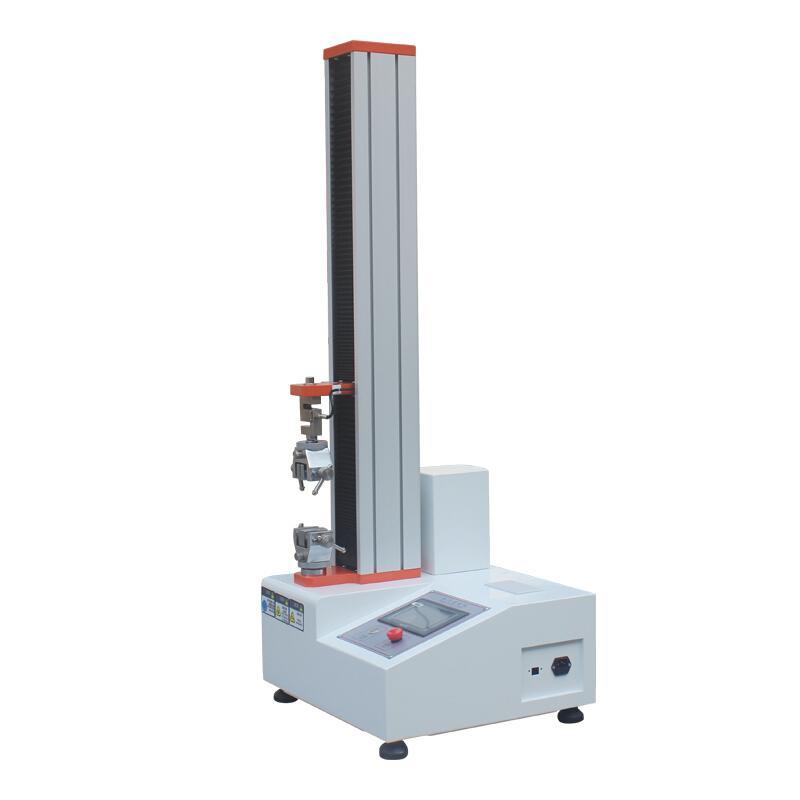
Measuring the tensile strength of cables and wires is mainly done in two steps. The first step involves gathering initial information , such as its mechanical properties, dimensions, etc. The second step is a tensile test to compare the resulting data with the initial recording.
Determining the type of cable for tensile testing
After this, it is up to the user to determine which type of cable or wire you need to tensile test. Various types of cables that can be subjected to tensile tests include filaments, galvanized cables, nylon wires, gold wires, steel cables, stainless steel wires, thin wires, etc. Cables include aircraft control cables, axial cables, automotive wires, battery cables, Baled wire, rubber bonded rubber wire, flex cable , cable assembly, braided bridge cable, cable crimp connector, coaxial cable, cable pull test, crimp wire, wire, fiber optic cable, solder joints, terminal strands , wires, etc.
Determining Required Tensile Test Parameters
From measuring the tensile strength of cables and wires, what information or records do you need to report? This is very important for the choice of test software . The information you need to obtain includes rubber wire adhesion, bending stiffness, copper wire bend test, bonding, cable fatigue, breaking load strength, cable bending strength, cable bending strength, mechanical cable testing, cable peel adhesion , cable tensile Strength test, cable tension test, etc. Testing the tensile factor involves determining the standard test method that the user needs to follow in order to obtain ideal and appropriate .